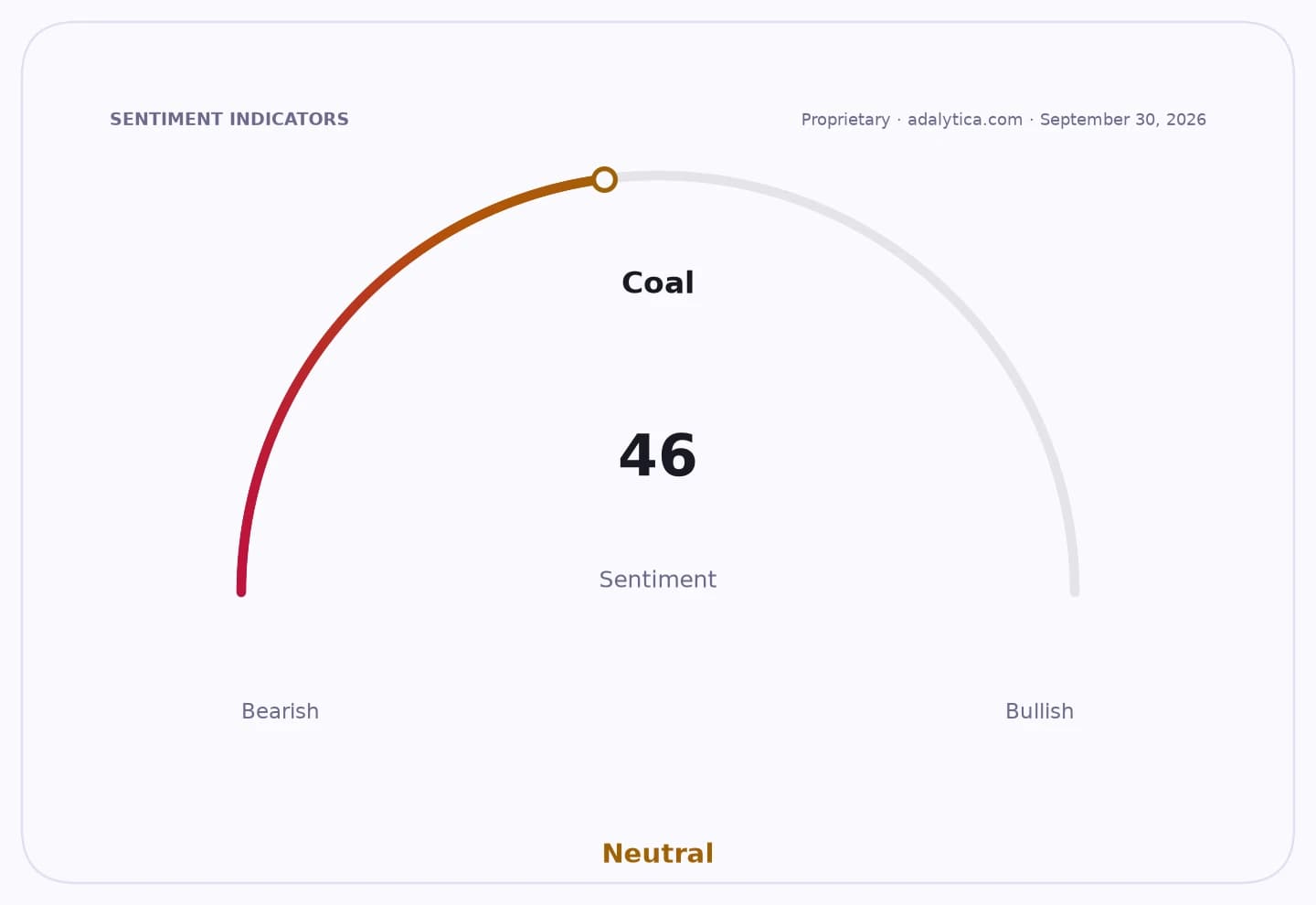
India’s LPG customer base has shrunk by about 6.2 million since the spring, with e-KYC verification rules, weaker supply conditions and a shift toward piped gas combining to slow connections and complicate access for some households.
India LPG Customer Base Falls on Verification Rules
The decline matters because LPG is still the dominant cooking fuel for hundreds of millions of Indian homes and a key channel for energy subsidies. A drop in active connections points not just to administrative friction, but to a system under pressure from imported fuel costs, tighter distributor controls and uneven access to alternatives. For investors, that puts a spotlight on state fuel retailers, subsidy outlays and the pace at which India can broaden household gas infrastructure without disrupting consumption.
Government data cited in local reports show active LPG customers fell to about 327.7 million by early September from 333.9 million at the start of the period, reversing years of steady growth. The fall is notable because it comes after a long expansion in penetration, and because it coincides with a broader tightening of compliance around Aadhaar-based biometric authentication. As of Sept. 19, about 274.3 million household LPG users, or 89.9% of active customers, had completed biometric Aadhaar verification. Those who have not may face difficulties booking refills, and from Oct. 1, 2026, authentication will be required to book subsidized refills at controlled prices.
That makes the story as much about policy execution as about energy supply. If consumers cannot complete the verification process easily, a portion of the apparent decline in connections may reflect blocked or inactive accounts rather than a full abandonment of LPG. Still, the fact that oil marketing companies have also trimmed new LPG additions suggests supply and economics are playing a role. India imported roughly 90% of its LPG from the Gulf region before the West Asia conflict disrupted trade flows, while domestic output covered only about 12.8 million tonnes of FY2025 consumption of 31.3 million tonnes.
The gap between demand and local production leaves India exposed to imported price swings at a time when commercial cylinder prices have already risen sharply. That raises inflation risks and adds pressure on households and small businesses just as festive-season spending peaks. It also matters for the government because any renewed subsidy support for targeted consumers would come on top of a large import bill and tighter monitoring requirements.
A parallel shift toward piped natural gas is cushioning some of the decline, but only partly. About 600,000 new PNG customers were added through July of the current fiscal year, taking the total to 17.5 million, yet that offsets only a fraction of the 6.2 million fall in LPG customers. The substitution is strongest in urban areas with pipeline access and weaker elsewhere, which helps explain the regional split: southern India saw the steepest drop, followed by the west, north and east.
For investors, the key question is whether this is a temporary disruption or the start of a more durable change in household fuel demand. A temporary drag would support volumes once supply normalizes and verification bottlenecks ease. A more structural shift toward PNG, stricter subsidy administration and tighter import economics would be more challenging for LPG distributors, while benefiting pipeline operators and city gas companies with expanding networks.
What to watch next is whether the government relaxes compliance friction, whether cylinder supply stabilizes into the winter demand season and whether the rise in PNG connectivity continues fast enough to absorb households leaving bottled gas.
| Entity | Gains | Losses |
|---|---|---|
| PNG distributors | ▲More household conversions | ▼Slower LPG replacement risk |
| Oil marketing companies | ▲Better verification control | ▼Lower LPG connection growth |
| Households with Aadhaar-linked accounts | ▲Easier access to subsidized refills | ▼Compliance burden for others |
| LPG-dependent consumers | ▲Potential relief if supply normalizes | ▼Higher prices and blocked refills |