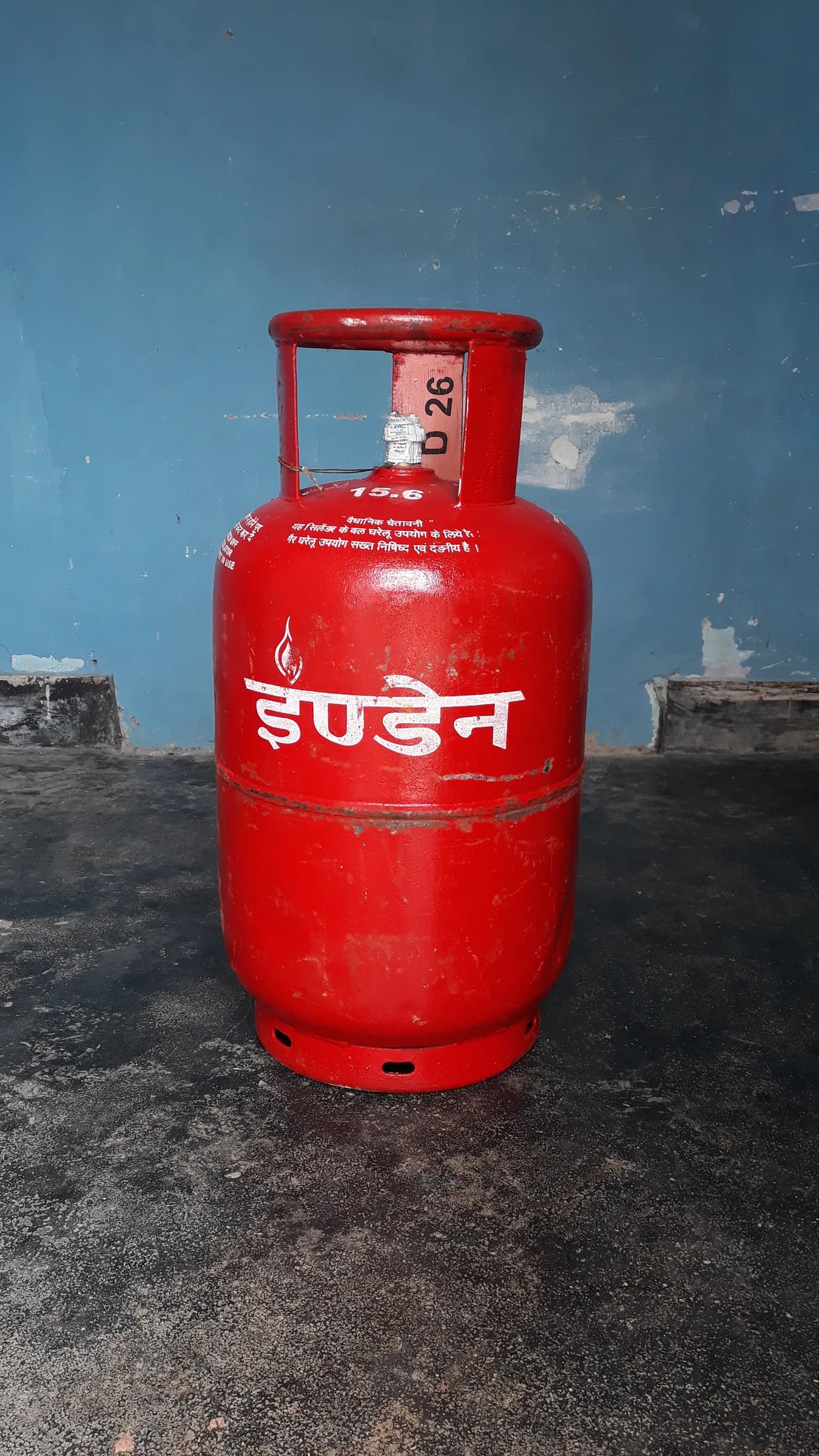
Households that have not completed e-KYC risk delays or disruption in booking subsidized 5 kg and 10 kg LPG cylinders as India steps up identity verification to narrow leakage in its cooking-gas subsidy program.
India LPG e-KYC Delays Subsidized Cylinder Bookings
The change matters because LPG remains a core household fuel in India, and any friction in booking or delivery can affect millions of low-income consumers, small businesses and distributors. For the government, stricter e-KYC is part of a broader effort to cut subsidy costs and ensure benefits reach only eligible users.
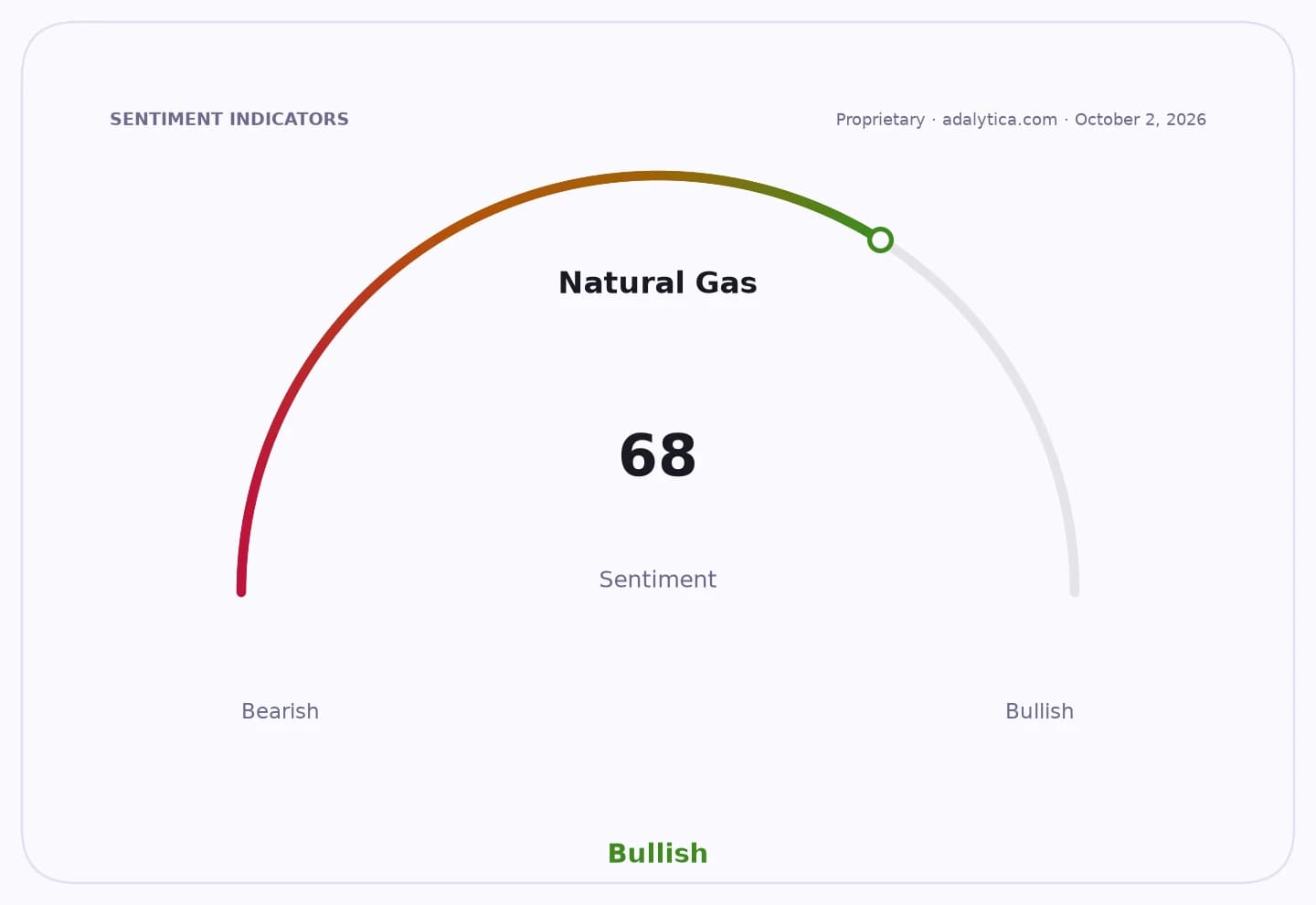
Sentiment IndicatorsⓘProprietary · adalytica.com · October 3, 2026
This is a snapshot — live sentiment, awareness and momentum for 130+ markets update continuously in the dashboard.Open AlphaPulse
The move comes alongside a wider shift in fuel policy, with subsidy rationalization and tax changes already pushing up energy costs. Industry context points to LPG prices rising by about 1.48 rupees per litre-equivalent under the latest adjustments, while policymakers are also promoting compressed natural gas as a lower-cost alternative to reduce LPG imports and ease the fiscal burden.
For investors, the immediate focus is on state-run fuel retailers such as BPCL, IOC and HPCL, which sit between policy changes and consumer demand. Tighter verification may clean up subsidy administration over time, but it can also temporarily slow bookings, alter sales volumes and add execution risk across the retail fuel network.
The policy also fits a larger government push to make energy subsidies more targeted while preserving access for poorer households. If e-KYC compliance remains patchy, the next risk is not just delayed cylinder bookings but broader strain on the distribution system as consumers adjust to higher prices and tighter rules.
| Entity | Gains | Losses |
|---|---|---|
| Government | ▲Lower subsidy leakage | ▼Higher rollout friction |
| Verified households | ▲Continued access to LPG | ▼None |
| Non-compliant consumers | ▲None | ▼Booking delays |
| BPCL / IOC / HPCL | ▲Cleaner subsidy records | ▼Short-term demand disruption |