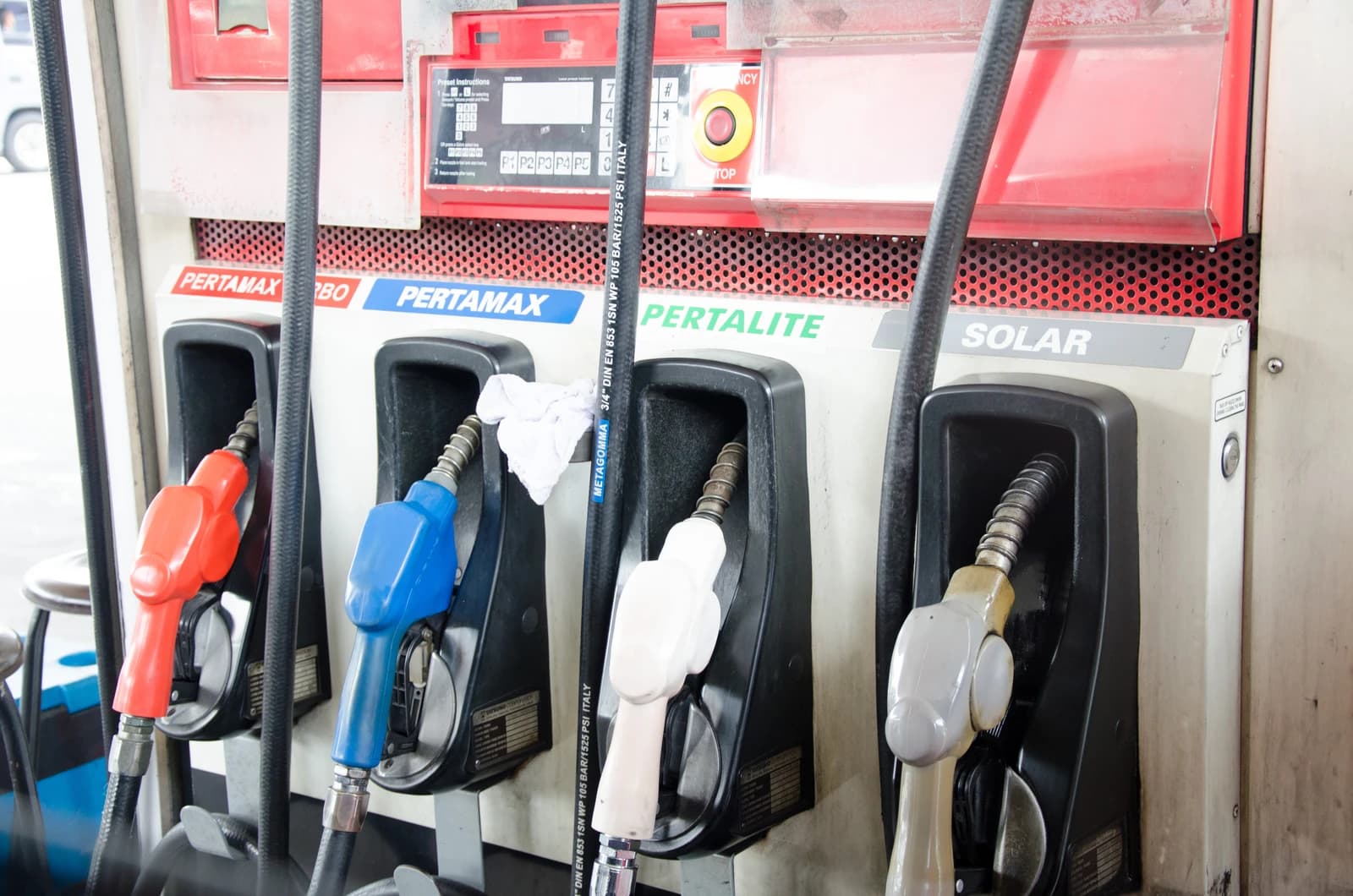
The biggest takeaway for investors and fuel market watchers is simple: Indonesia’s tighter fuel-purchase checks are not yet being enforced uniformly, and at least one station in Kepahiang is still running on the older barcode system rather than requiring drivers to show a vehicle registration document, or STNK, in person.
Indonesia STNK Fuel Checks Still Uneven in Kepahiang
That matters because fuel distribution rules can change who gets subsidized fuel, how quickly demand is verified, and how much friction sits between the pump and the customer. In practical terms, a barcode-based system is easier for consumers and faster for stations to process. A physical-STNK requirement would add a new layer of control, potentially improving targeting of subsidized fuel but also slowing transactions and changing usage patterns if rolled out more broadly.
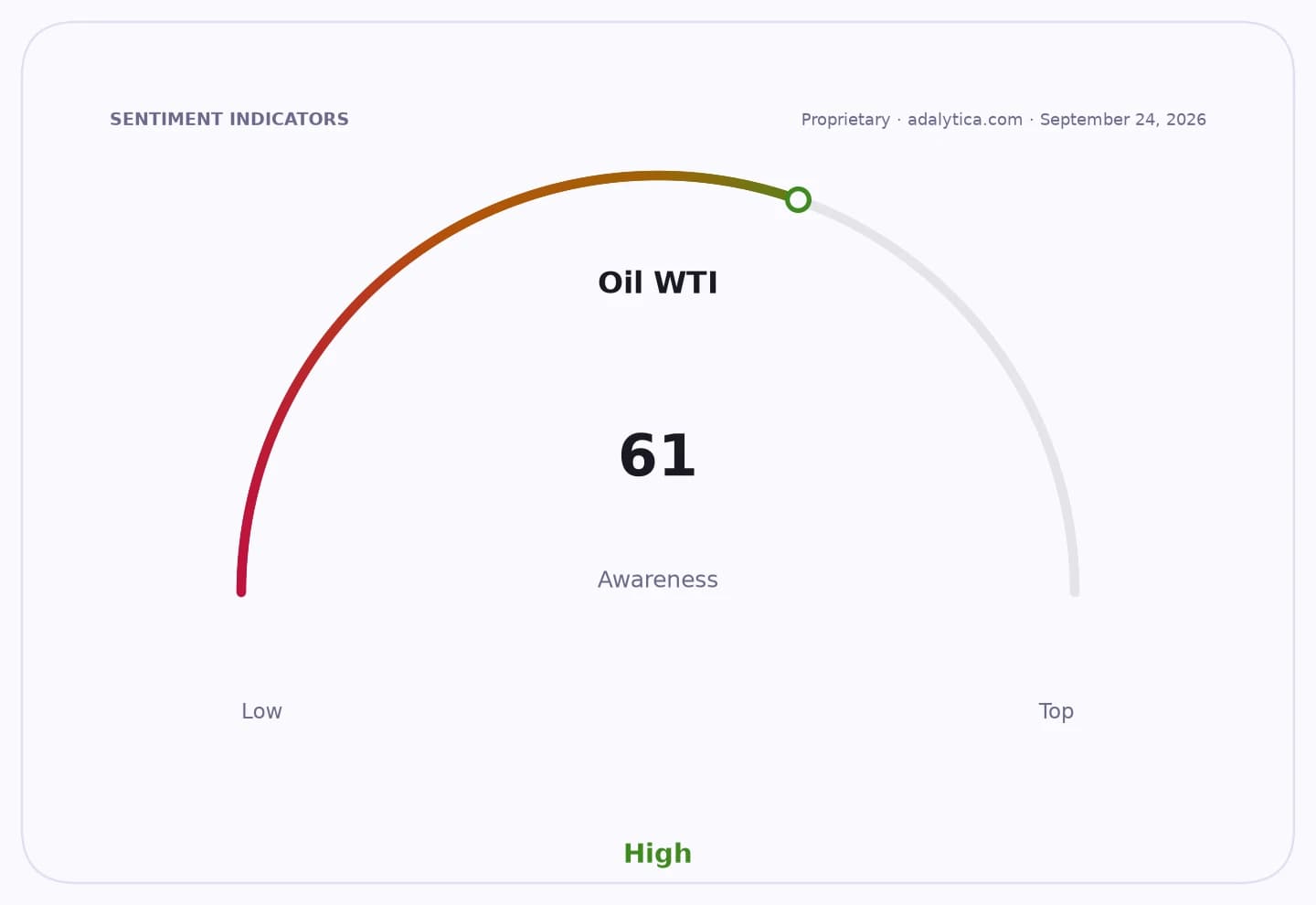
Sentiment IndicatorsⓘProprietary · adalytica.com · September 5, 2026
This is a snapshot — live sentiment, awareness and momentum for 130+ markets update continuously in the dashboard.Open AlphaPulse
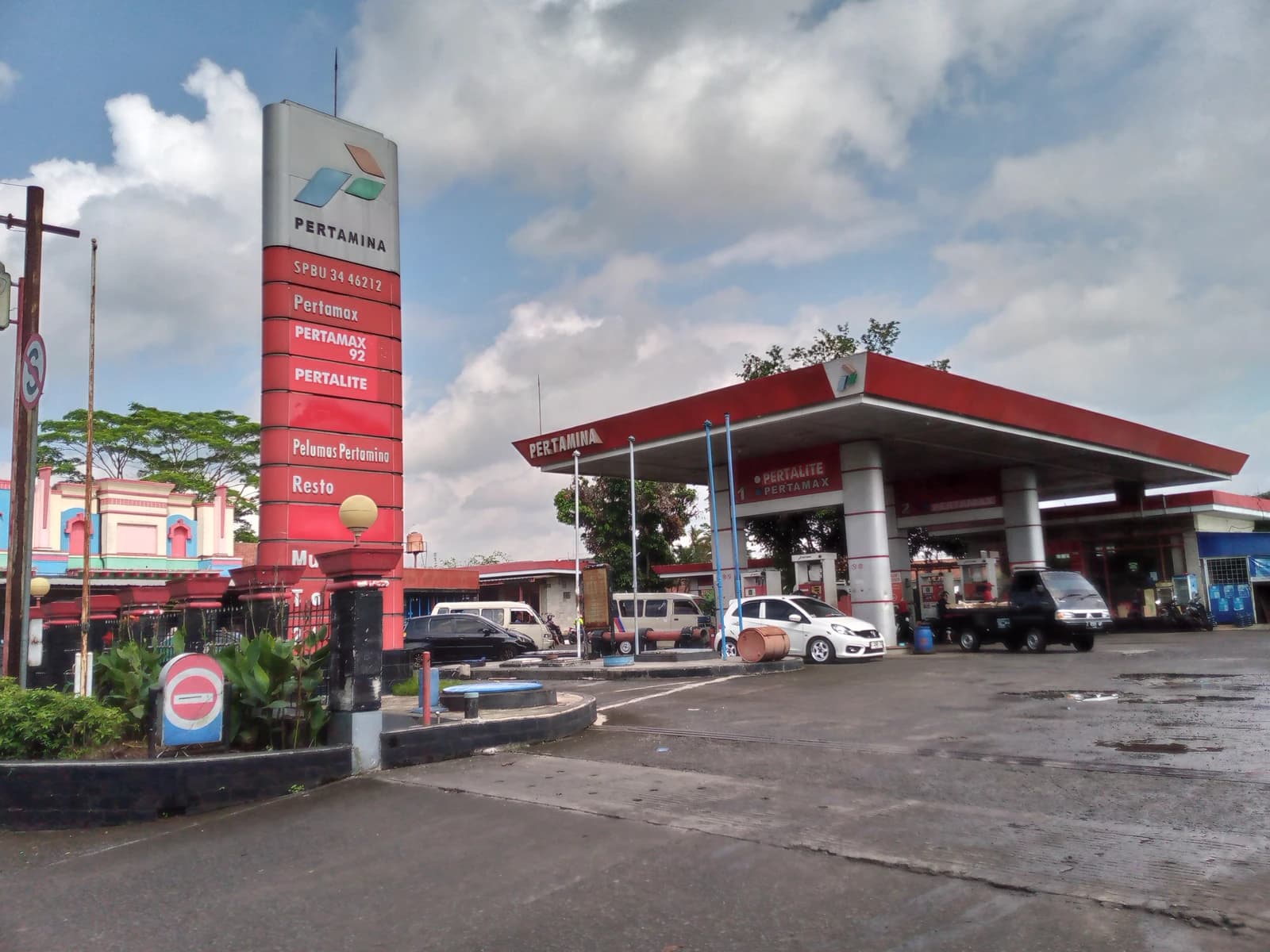
At SPBU Kelobak in Kepahiang, the station’s supervisor, Fuji, said the site has not yet implemented the rule and continues to serve motorists using barcodes only. The station is still supplying a full mix of fuel products, from subsidized Bio Solar B50 and Pertalite to non-subsidized Pertamax, Pertamax Turbo and Dexlite.
The supply picture there also looks steady, which is the more important economic signal. Kelobak receives about 16 tons of Pertalite a day and roughly 8 tons of Bio Solar, with non-subsidized fuels ordered as needed in batches of around 8 to 16 tons when stock begins to run low. That suggests local demand is being met without obvious disruption, at least for now.
For investors, this is less about a single station in Bengkulu province than about how fuel policy is implemented on the ground. If physical-document checks remain patchy, the impact on consumption may be slower and more uneven than policymakers intend. If enforcement tightens later, the burden could shift to distributors, station operators and consumers, especially in areas that rely heavily on subsidized fuel.
The broader backdrop is a global energy market that remains sensitive to policy changes, supply discipline and demand management. Even small administrative changes at the retail level can matter when fuel is already a politically and economically sensitive product. If Indonesia eventually pushes the STNK rule more widely, that could improve subsidy oversight, but it could also reshape short-term purchasing behavior and logistics at the pump.
For long-term investors, the key lesson is to watch execution, not just policy headlines. Fuel rules only matter economically when they are enforced consistently. Until then, stations like Kelobak are a reminder that the real world often moves more slowly than the regulation book. For now, this looks like a local implementation gap worth watching, not a disruptive market event.
| Entity | Gains | Losses |
|---|---|---|
| Drivers in Kepahiang | ▲Faster refueling | ▼No new paperwork friction |
| SPBU Kelobak | ▲Smooth transactions | ▼Less control over eligibility checks |
| Subsidy enforcers | ▲Useful test case | ▼Slower policy rollout |
| Fuel distributors | ▲Stable local demand | ▼More uncertainty if rules tighten later |