India’s latest push to expand piped natural gas to households underscores a broader shift in the domestic fuel mix that could gradually weaken reliance on monthly LPG cylinder bookings and reshape demand across the city-gas sector.
India launches National PNG Drive 3.0
The government, through the petroleum ministry and the Petroleum and Natural Gas Regulatory Board, has launched “National PNG Drive 3.0,” a campaign aimed at speeding household adoption of piped natural gas, or PNG, with online application channels now being promoted through the MyPNG platform. For consumers, the immediate appeal is convenience: no cylinder booking, no delivery waits and less risk of running out of fuel at home. For policymakers, the bigger prize is a more efficient retail energy network that supports cleaner-burning fuel use and lowers distribution friction.
That matters economically because household cooking fuel is a large, recurring component of India’s energy consumption, and any sustained migration from LPG cylinders to piped gas changes how fuel is transported, marketed and subsidized. PNG systems typically require upfront capital in pipelines, last-mile connections and metering, but they also create steadier demand and lower logistics costs over time. If adoption broadens, the beneficiaries include city gas distributors with operating leverage in dense urban areas, while LPG marketers face a slower-growth consumption mix in households that are reachable by pipeline.
The transition also fits a wider policy logic: India has been expanding gas infrastructure as part of its energy-security and urbanization agenda, with natural gas seen as a bridge fuel that can support cleaner household cooking without the storage and supply-chain inefficiencies of cylinders. The fact that the government is actively marketing the online application route suggests the rollout is being treated not just as an infrastructure exercise but as a consumer adoption campaign, which is often the harder part of any fuel transition.
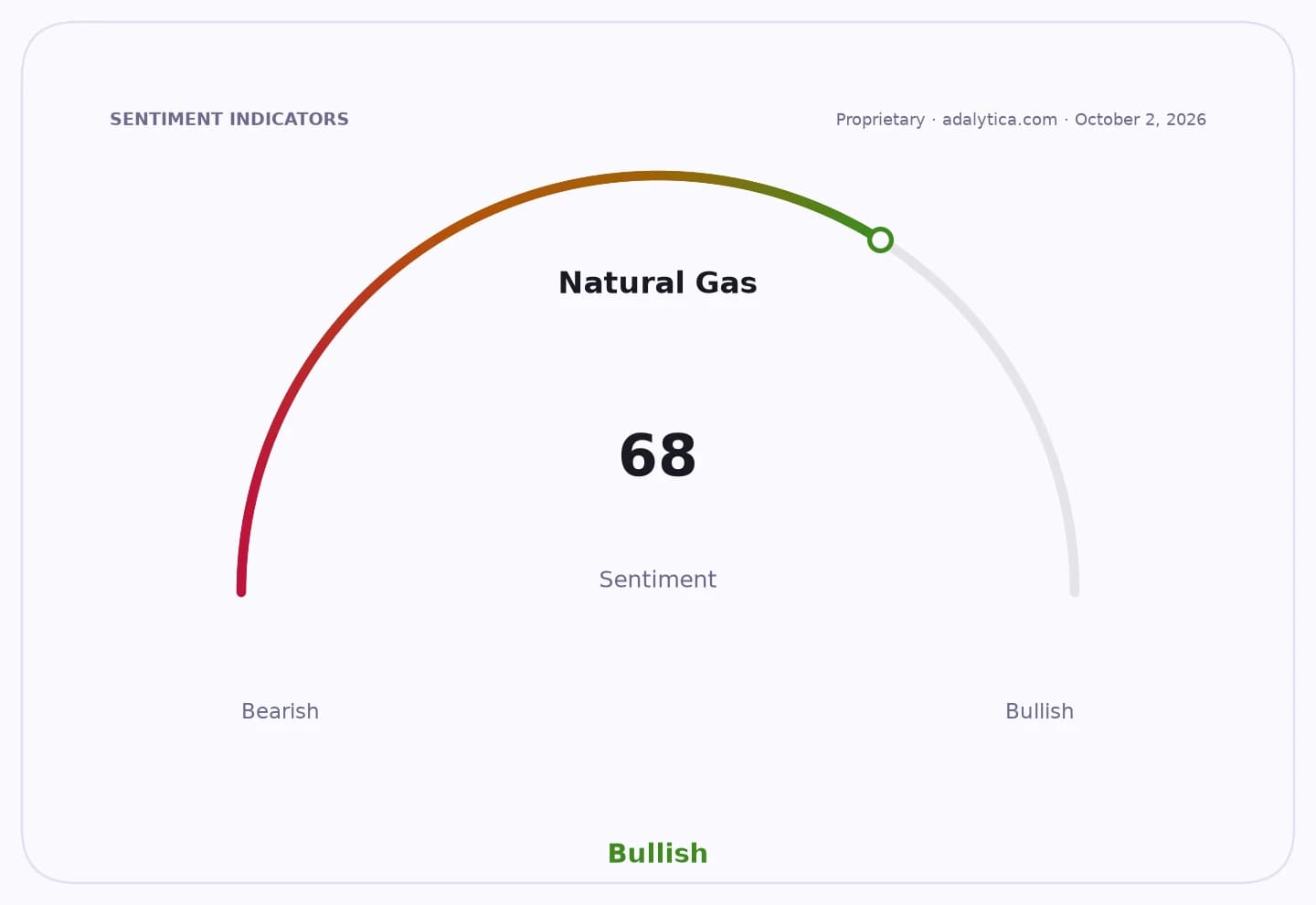
For investors, the key question is not whether LPG disappears — it will remain essential in many semi-urban and rural areas — but how fast PNG penetration can rise in serviceable markets. City gas operators such as Indraprastha Gas and Gujarat Gas stand to gain if National PNG Drive 3.0 improves connection volumes and lifts gas throughput. The flip side is that LPG distributors and upstream players tied more closely to cylinder-based consumption could see their household mix gradually diluted, even if overall energy demand continues to grow.
The near-term catalyst will be execution: how quickly applications convert into active connections, whether local pipeline build-outs keep pace, and whether households perceive PNG as cheaper and more reliable than cylinders. If the campaign gains traction, it could mark another step in India’s slow but meaningful move toward a cleaner, more networked household energy system.
| Entity | Gains | Losses |
|---|---|---|
| City gas distributors | ▲Higher household connections | ▼Upfront network capex |
| Households in pipeline zones | ▲Convenience, fewer refills | ▼Less flexibility |
| LPG cylinder suppliers | ▲Stable remaining demand | ▼Slower household growth |
| Government/PNGRB | ▲Cleaner fuel adoption | ▼Execution and rollout risk |