Fillin is trying to do something that could matter far beyond Mauritius: turn a plain fuel stop into a higher-margin neighborhood hub.
Fillin plans Mauritius fuel stations with retail
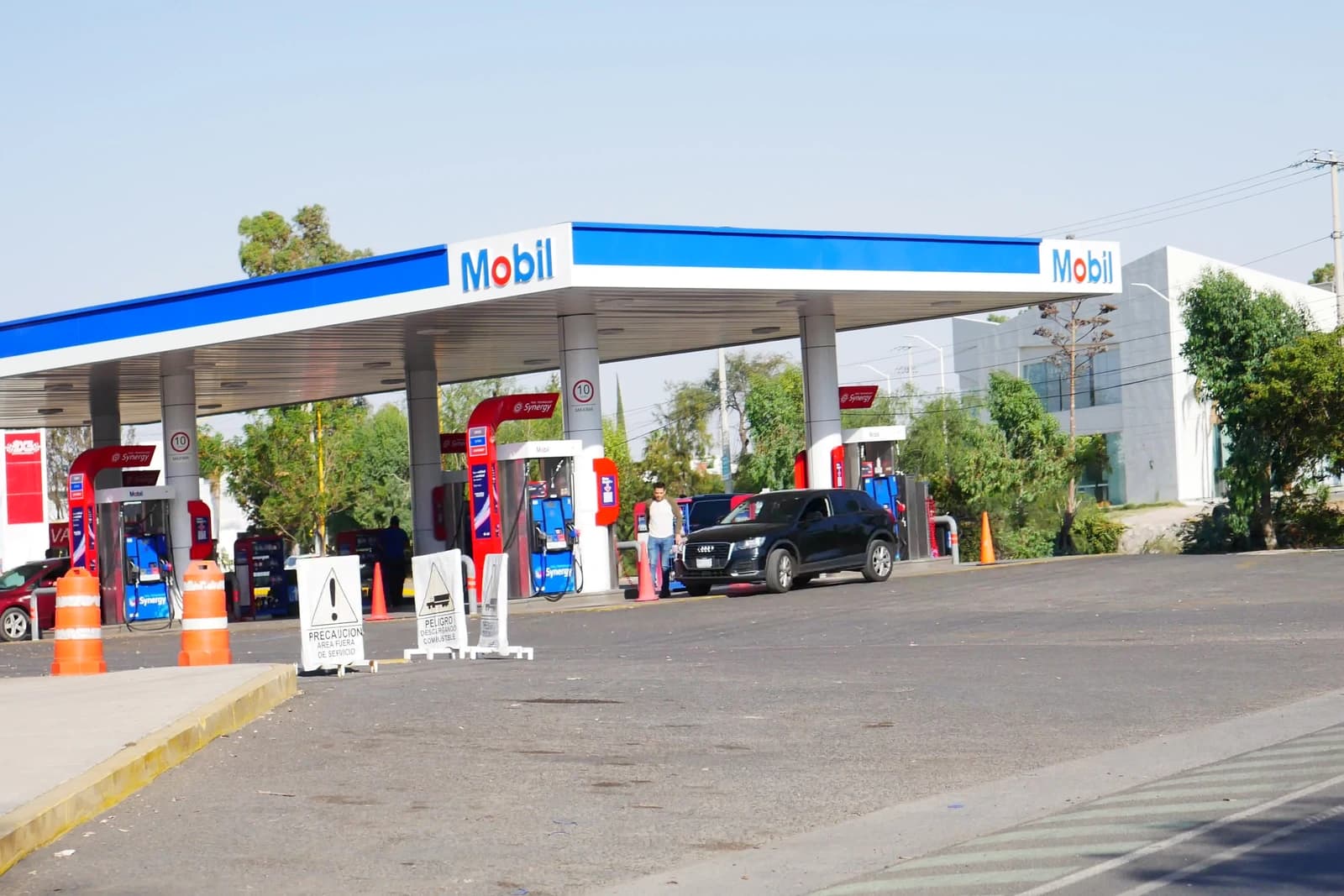
For investors, that is the real story. In an industry where gasoline sales are usually low-margin and vulnerable to fuel-price swings, the next growth engine may be everything around the pump — coffee, groceries, car washes, EV charging and digital payments. Fillin, the first 100% Mauritian fuel network launched by Bhunjun, wants to remake its 37 stations into what it calls a modern “space of life,” with the first prototype due around 2028.
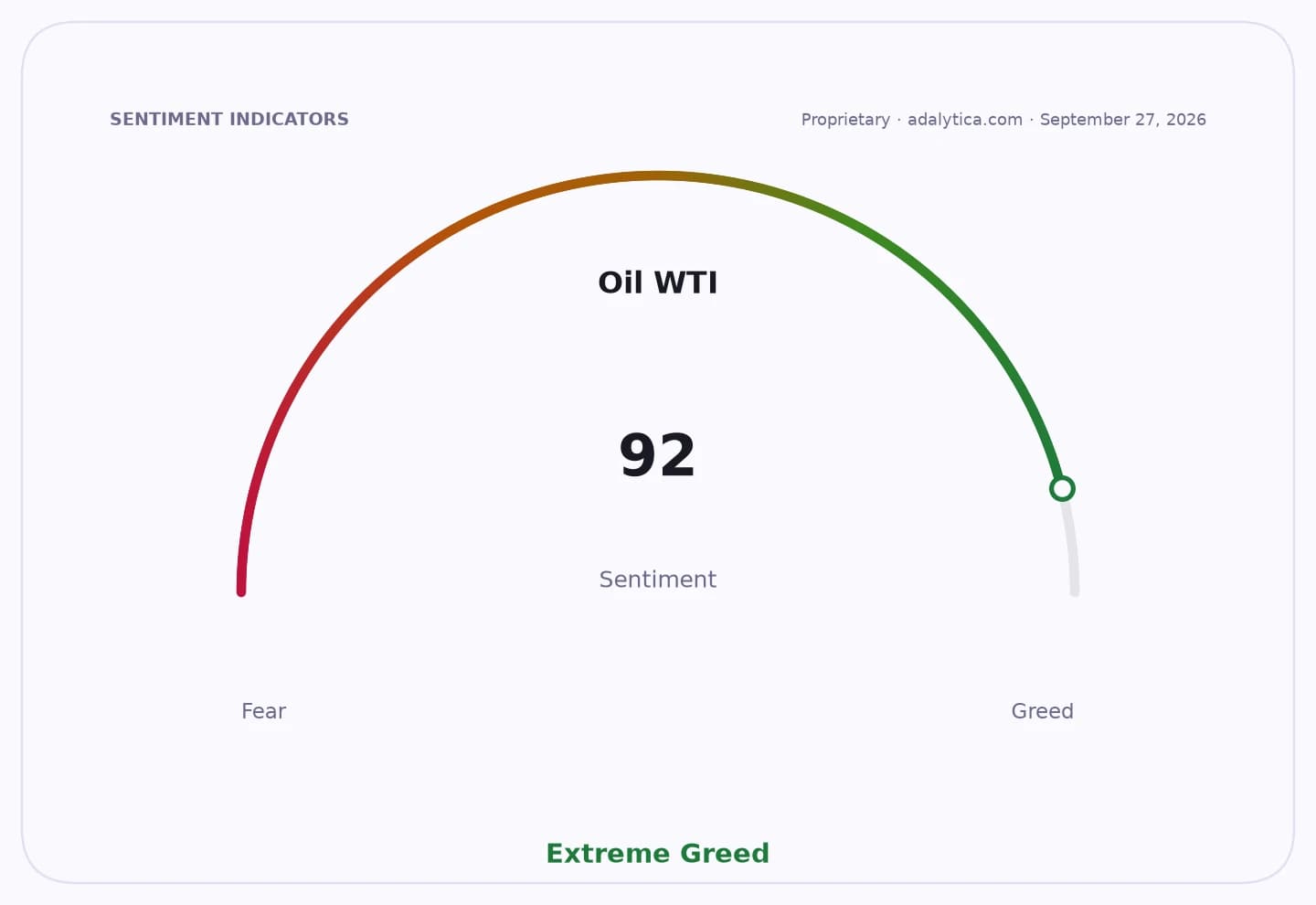
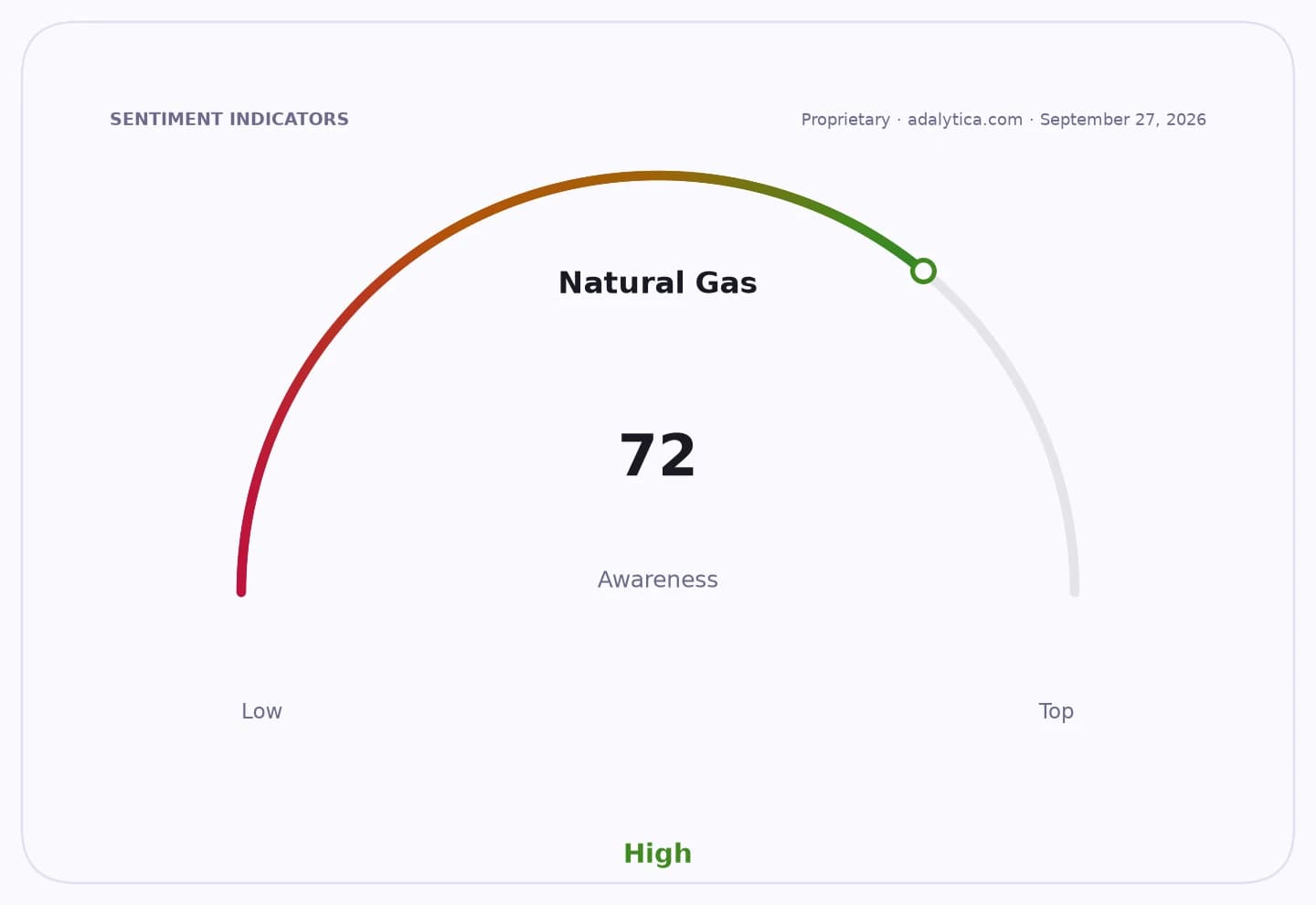
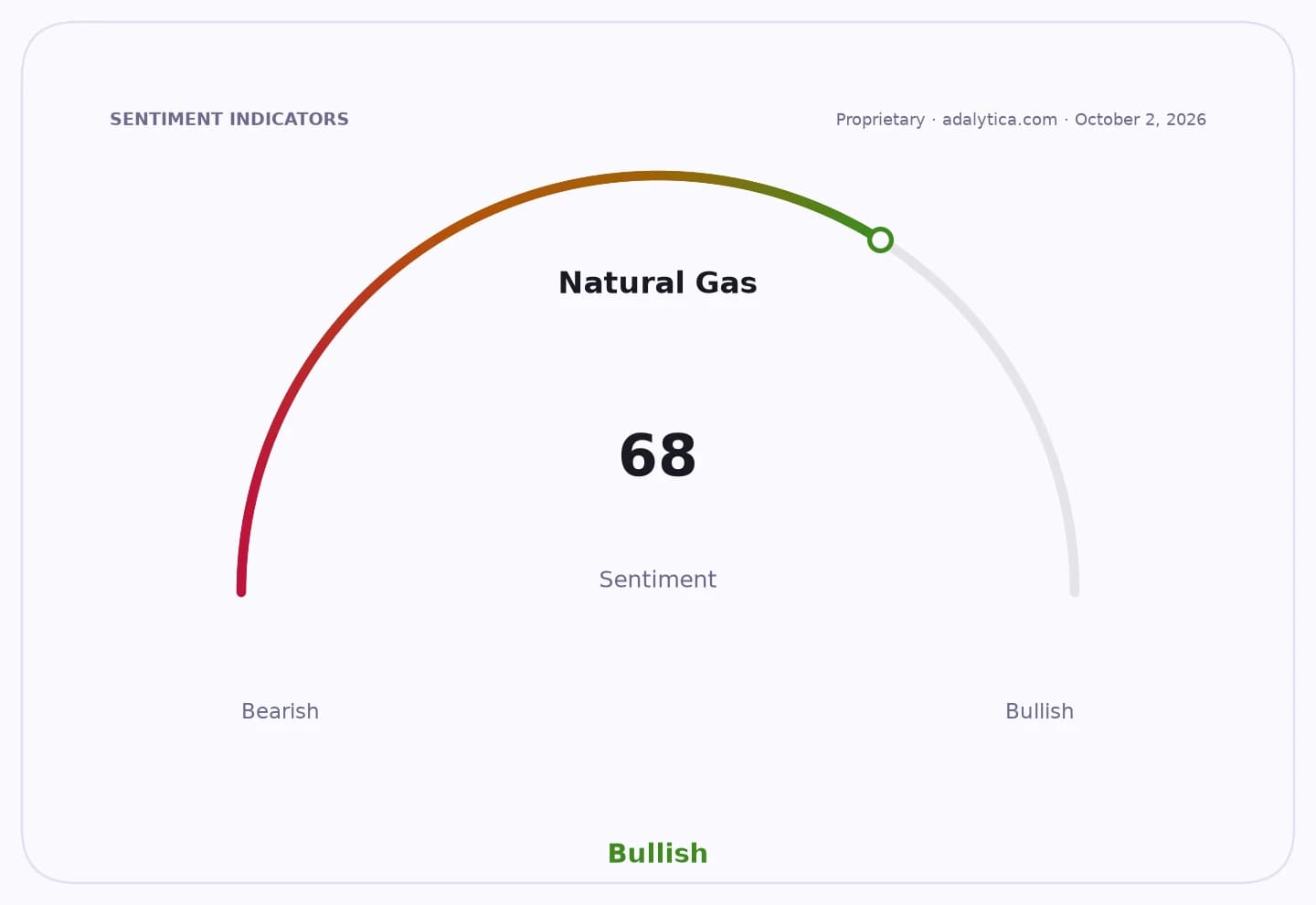
Sentiment IndicatorsⓘProprietary · adalytica.com · September 30, 2026
This is a snapshot — live sentiment, awareness and momentum for 130+ markets update continuously in the dashboard.Open AlphaPulse
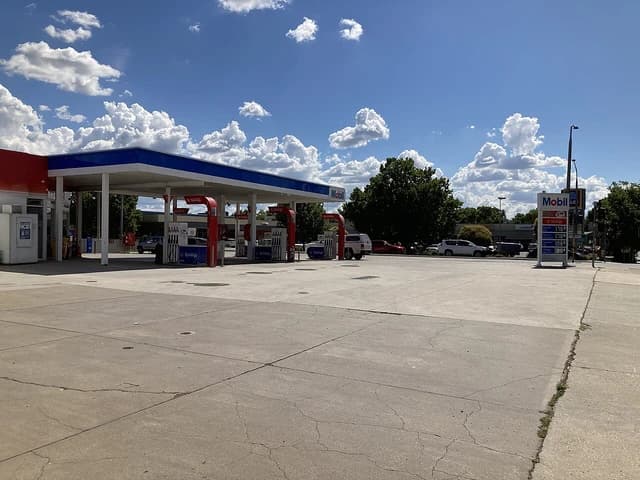
That matters economically because it is a classic example of a mature industry trying to defend profitability through diversification. When fuel prices jump, as they have in recent years, consumers become more price-sensitive and governments become more willing to intervene on margins and pricing. That squeezes the old gas-station model. A station that can sell coffee, lunch, local products and services has a better shot at generating steadier foot traffic and spreading fixed costs across more revenue streams.
Fillin’s plan borrows from Mauritius’s traditional neighborhood shop, the “laboutik sinwa,” while layering in the conveniences that modern consumers expect. The new format will combine a grab-and-go store, a bistrot-café, warm wood finishes, tropical landscaping and branded spaces designed to give each station a distinct identity. The company also wants customers to use their phones to pay for fuel, book a wash or order food, bringing the station into the digital-commerce era rather than leaving it as a simple transaction point.
The strategy also fits a broader transition in energy use. Fillin said solar panels will help power stations and support EV chargers, a nod to a future where the forecourt is not only about pumping liquid fuel. That is important for long-term investors because it shows how fuel retailers are trying to stay relevant as transport gradually shifts toward electrification and lower-carbon power.
This is not a risk-free transformation. Building out redesigned sites, digital systems and charging infrastructure takes capital, and the payoff depends on whether Mauritian drivers actually embrace the new experience. Fillin’s 37-station network and roughly 250 employees give it scale, but not enough to guarantee success. The company will need consistent execution, attractive food and retail offerings, and enough customer traffic to justify the upgrade.
Still, the direction is sensible. If fuel is becoming more commoditized, the winning stations will be the ones that behave less like pumps and more like destinations. For long-term investors, that is worth watching closely: the businesses that can monetize time, convenience and loyalty may be the ones that compound best over the next decade.
| Entity | Gains | Losses |
|---|---|---|
| Fillin / Bhunjun | ▲Higher-margin services | ▼Old fuel-only model |
| Mauritian drivers | ▲More convenience | ▼Time in basic forecourt stops |
| EV charging / solar providers | ▲New station demand | ▼Pure petroleum dependency |
| Traditional station rivals | ▲Pressure to upgrade | ▼Commodity-style retailing |