Oil’s spike toward $100 a barrel is the immediate macro problem, and U.S. Treasury Secretary Scott Bessent’s claim that crude could later fall to $40 is the contrarian trade that matters most for India, the world’s third-largest oil consumer.
India Oil Imports Rise as Brent Nears $100
For India, the stakes are huge. Roughly 90% of its crude needs are imported, so every sustained move higher in Brent feeds directly into the trade deficit, corporate margins and inflation. India’s crude basket has already climbed close to $100 a barrel, and July’s import bill jumped 41% to $13.7 billion, a reminder that the economy is paying up now even as policymakers hope for relief later.
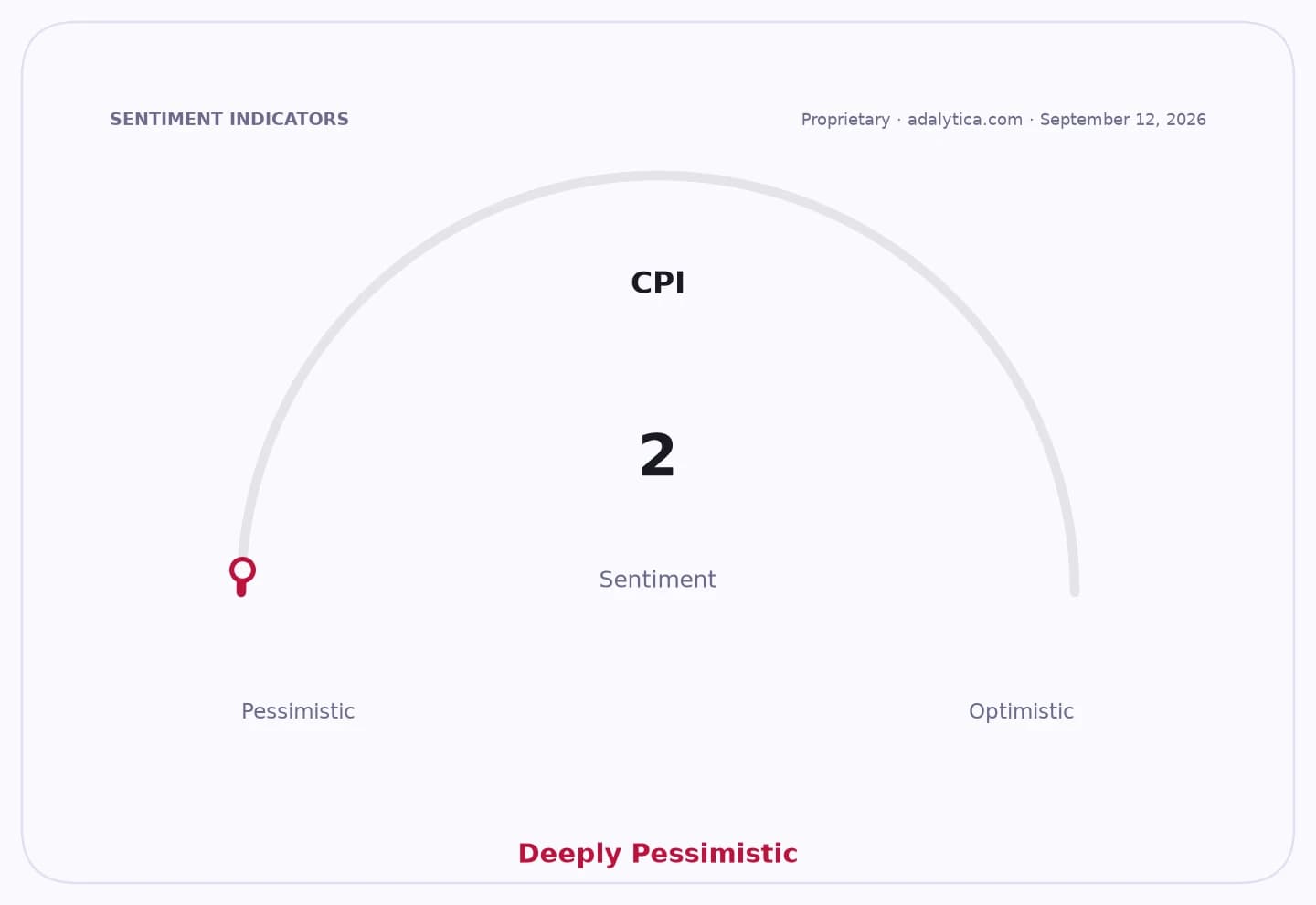
Sentiment IndicatorsⓘProprietary · adalytica.com · September 5, 2026
This is a snapshot — live sentiment, awareness and momentum for 130+ markets update continuously in the dashboard.Open AlphaPulse
That is why Bessent’s comments landed with such force. He argued that once the confrontation with Iran eases, oil markets could be flooded with supply and prices could slide to $50 or even $40 a barrel. If that happens, the economic payoff would be immediate: lower fuel costs, easier inflation, a smaller current-account drag and less pressure on bond yields. Bessent also tied crude to interest rates, saying the correlation between oil and borrowing costs is now unusually strong, which fits what markets are already showing as U.S. 10-year yields have pushed to their highest since 2023.
But investors should not confuse a hopeful scenario with the base case. Brent was still near $96.28 a barrel at the close, and the latest U.S.-Iran escalation pushed it above $95 this week, the highest since July. That means the inflation impulse is still live, not theoretical. Higher energy costs are already rippling through global rates markets, with Europe’s inflation quickening to 3.3% in August and central banks facing renewed pressure to stay tight.
The market reaction is telling you where the money is moving. Energy equities and oil-linked assets have the tailwind, while import-heavy economies and rate-sensitive sectors are under pressure. U.S. oil ETF USO has broken sharply higher, and the broader energy sector fund XLE has also firmed, reflecting a market that is still trading the immediate supply shock rather than the distant disinflation story. India, by contrast, is in the camp that benefits most from cheaper crude and loses most from sustained prices near $100.
My view is that investors should treat the current crude spike as a geopolitical trade, not a secular oil boom. If diplomacy eventually forces more barrels back into the market, the downside in oil could be violent, and the biggest winners would be India, global bond markets and consumer-facing sectors. Until then, the asymmetric opportunity remains in hedging inflation exposure and owning the beneficiaries of a future energy reversal rather than chasing the last leg of a panic-driven rally.
| Entity | Gains | Losses |
|---|---|---|
| India | ▲Lower import bill | ▼Higher inflation |
| Oil producers | ▲Higher revenues | ▼Price reversal risk |
| Bond markets | ▲Easier yields | ▼Inflation pressure |
| USO/XLE holders | ▲Momentum gains | ▼Geopolitical unwind |