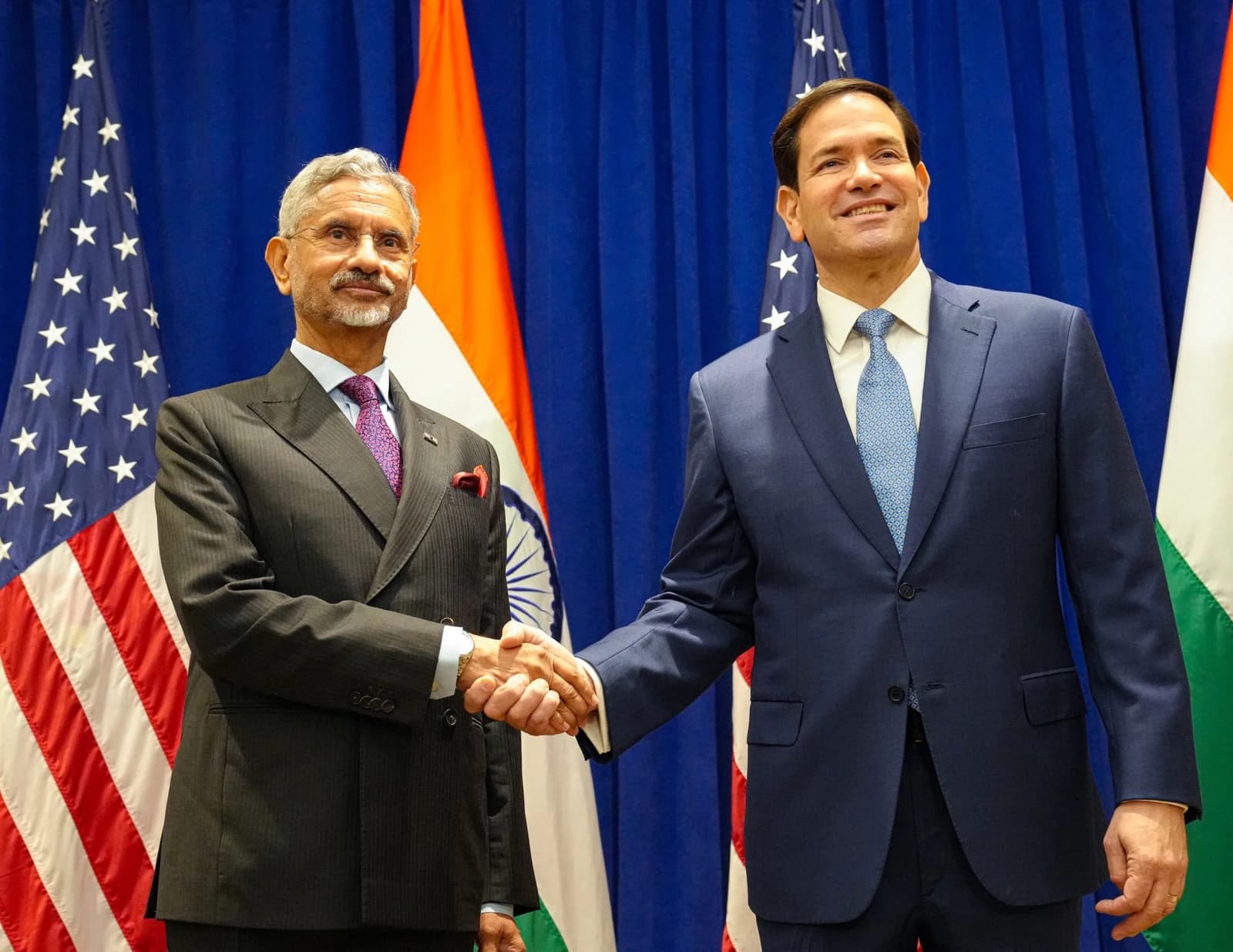
Prime Minister Narendra Modi’s blunt warning that India now hits terrorists “inside their homes” is a reminder that the India-Pakistan risk premium is not going away — and for investors, that matters because security flare-ups can quickly bleed into markets, currency sentiment and foreign capital flows.
India Pakistan tensions keep South Asia risk elevated

Speaking at Delhi University’s Shri Ram College of Commerce, Modi said Pakistan would pay a heavy price if it continues supporting terrorism on Indian soil. The remark was politically charged, but economically it reinforces a familiar truth for investors: when tensions rise between two nuclear-armed neighbors, risk appetite in the region often deteriorates before any battlefield damage is visible.
Sentiment IndicatorsⓘProprietary · adalytica.com · September 6, 2026
This is a snapshot — live sentiment, awareness and momentum for 130+ markets update continuously in the dashboard.Open AlphaPulse
That’s why the message matters well beyond the political theater. India has spent years selling itself as a stable, long-duration investment story built on domestic demand, infrastructure spending and manufacturing growth. Escalating rhetoric does not erase that thesis, but it can temporarily raise caution among global funds that are already wrestling with geopolitics, oil prices and emerging-market exposure.
Pakistan, for its part, remains far more vulnerable to any escalation. Its economy has less room for shock absorption, with a weaker currency, thinner reserves and heavier dependence on external financing. In that sense, even a war of words can widen the gap between the two countries’ investment profiles: India can usually absorb the noise; Pakistan has a harder time convincing markets it can.
The stock-market backdrop shows that contrast clearly. India’s INDA ETF has held around the $49 to $50 area in recent sessions, with the 50-day moving average just above current levels and RSI readings near neutral, suggesting investors have not rushed for the exits. Pakistan’s PK ETF, meanwhile, has been far more volatile, though it has rallied sharply from earlier lows and still trades well above its 200-day moving average. That kind of rebound can be fragile when geopolitics turns hostile.
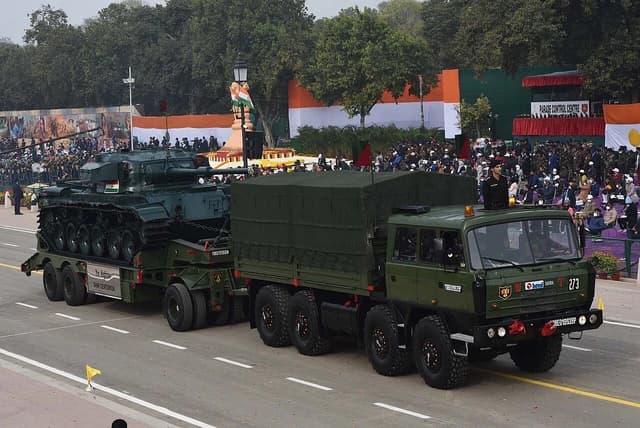
For long-term investors, the key point is not to trade every headline but to understand which businesses and markets are most exposed. Indian exporters, defense suppliers and infrastructure names may see more attention if the government leans further into security spending. Airlines, tourism-linked businesses and sectors sensitive to consumer confidence could face brief pressure if tensions escalate. In Pakistan, the bigger issue is credibility: political instability and security risk can make capital scarcer and more expensive.
Adalytica.com’s S&P 500 trade signals show extreme fear in broader U.S. sentiment, a useful reminder that global investors are already cautious. In that environment, another India-Pakistan flashpoint can further discourage risk-taking toward South Asia, even if the direct economic hit is limited.
The longer-term investing lesson is simple: geopolitical risk rarely changes the best companies forever, but it can change the price you pay and the patience you need. India’s growth story remains intact, yet investors should keep a diversified portfolio, stay disciplined and watch whether the rhetoric turns into policy or action. Right now, it is a headline to take seriously — and a reminder to keep Indian and regional exposure on a watchlist, not a blind bet.
| Entity | Gains | Losses |
|---|---|---|
| India | ▲Security narrative | ▼Near-term risk sentiment |
| Pakistan | ▲Domestic rally around sovereignty | ▼Currency and capital confidence |
| Indian defense stocks | ▲Higher spending hopes | ▼If tensions stay verbal only |
| Foreign investors | ▲Clearer risk pricing | ▼Appetite for South Asia exposure |