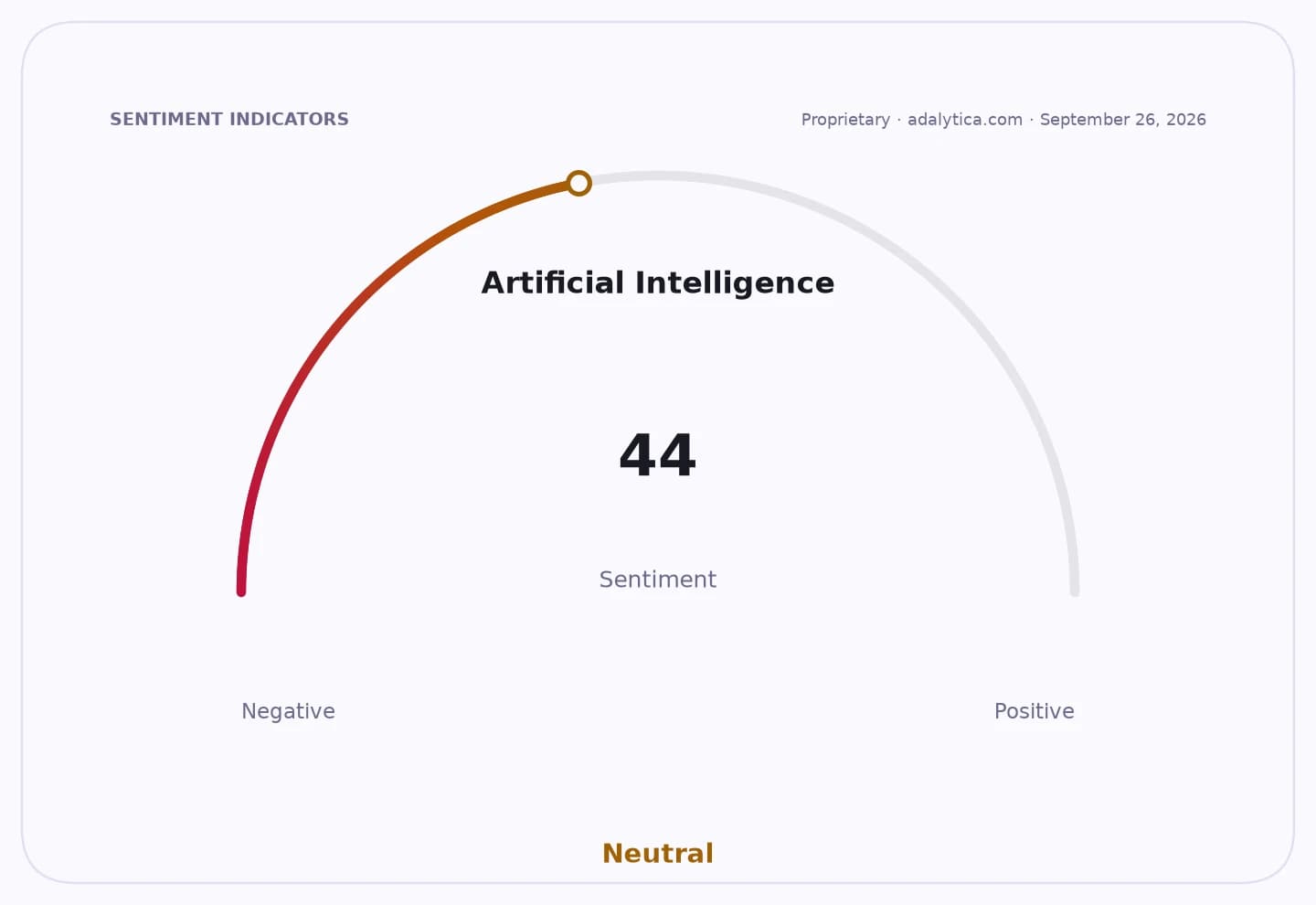
Sonam Wangchuk’s declaration that Dharmendra Pradhan’s resignation would be a “victory of democracy” has turned a protest over exam fraud into a broader test of the Modi government’s credibility on governance and public trust.
India Protest Raises Governance Risk for Markets
The immediate significance is political, but the economic stakes are real. India’s growth story depends heavily on a pipeline of educated workers and on public confidence that entry into universities, jobs and professional tracks is merit-based. When protests over alleged exam fraud spread, police crackdowns leave scores injured and opposition figures are detained, the issue stops being a student grievance and becomes a question about institutional reliability. For investors, that matters because weak governance raises the risk premium on everything from consumer demand to long-duration domestic assets, while any perception that corruption is entrenched can weigh on foreign confidence in the policy environment.
The unrest has also broadened beyond students. Support from Supreme Court lawyers suggests the movement is gaining legitimacy among parts of the legal and civic establishment, making it harder for the government to dismiss as street agitation. At the same time, authorities have framed the demonstrations as unruly and violent, a sign that the confrontation is hardening rather than easing. That increases the chance of further disruptions, especially if opposition leaders continue to use the issue to attack the ruling Bharatiya Janata Party’s handling of governance.
The market reaction in India-focused funds has been subdued but points to caution rather than complacency. The iShares MSCI India ETF, INDA, closed most recently at $48.02, below its 50-day moving average of $48.57 and well under its 200-day average of $51.08, suggesting the fund has lost some upward momentum. Its RSI reading of 30.8 is approaching technically oversold territory, while the MACD remains negative. The WisdomTree India Earnings Fund, EPI, shows a similar pattern, trading at $41.69 against a 50-day average of $42.31 and a 200-day average of $44.06. Both funds have recovered from earlier weakness but remain vulnerable if political unrest feeds broader concern about governance or policy execution.
The bull case for Indian equities is that the protests remain contained, the education row does not spill into a wider anti-government campaign, and investors continue to focus on India’s stronger medium-term growth profile versus other emerging markets. The bear case is that repeated allegations of fraud, heavy-handed policing and visible political pressure deepen the sense that institutional trust is fraying, which could eventually hit risk appetite for domestic cyclicals, financials and consumer names tied to household confidence.
For now, Wangchuk’s call for Pradhan’s resignation is less about one minister than about the state’s ability to protect the credibility of a system that millions of Indian families depend on. If the government cannot defuse the anger quickly, the story may shift from a protest movement to a wider governance problem with lasting implications for India’s investment case.
| Entity | Gains | Losses |
|---|---|---|
| Protesters and reform advocates | ▲Public visibility | ▼Risk of police action |
| Modi government | ▲Opportunity to act decisively | ▼Credibility on governance |
| Domestic investors | ▲Chance to buy dips if unrest fades | ▼Higher risk premium if protests spread |
| India-focused ETFs | ▲Potential rebound on stabilization | ▼Near-term pressure from political uncertainty |