India’s election watchdog is facing a sharp political backlash after police detained about 1,000 protesters in New Delhi as demonstrators demanded the resignation of Chief Election Commissioner Gyanesh Kumar over a disputed voter-roll revision.
India protests over voter roll revision
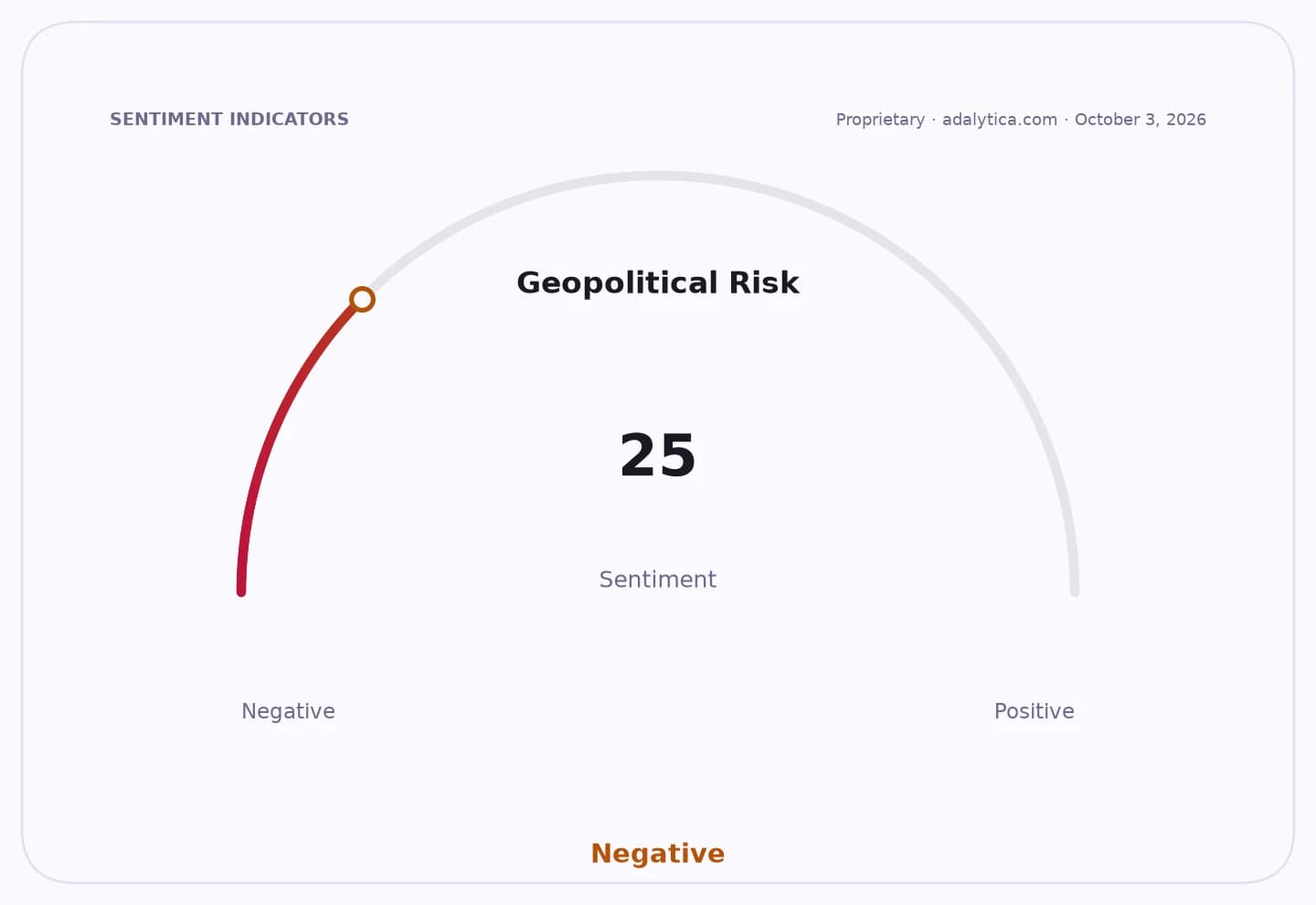
The unrest matters because it hits one of India’s most sensitive institutions at a time when trust in electoral administration, public order and youth sentiment is already under strain. Any perception that the voter list process is unfair can deepen political friction and raise the risk of broader street mobilisation.
According to Press Trust of India, thousands gathered in the capital, with students and young people making up much of the crowd. Police moved in after protesters called for Kumar to step down over what they described as a controversial change to voter registers that weakens voting rights.
The protests were amplified by a youth-led online movement that emerged in May and has since found traction among Gen Z users. The group, calling itself the “Cockroach People’s Party,” gained visibility after India’s chief justice used the term “parasites” to describe some unemployed young people, a comment that fuelled resentment among students and job seekers.
The movement had already surfaced in earlier demonstrations over India’s medical entrance exam, which was scrapped after allegations that questions had been leaked. Protesters have accused the government of failing to fix problems in the examination system while cracking down on dissent.
For investors, the episode is a reminder that political risk in India is not confined to elections and parliament. Sustained unrest can pressure sentiment around consumer demand, education services, and the broader stability premium attached to Indian assets, even if there is no immediate market shock.
The next flashpoint will be whether authorities respond with concessions on voter-roll changes or a tougher security line. Either path could keep protests alive and prolong scrutiny of institutions that underpin India’s political and investment climate.
| Entity | Gains | Losses |
|---|---|---|
| Protesters and student groups | ▲Visibility and leverage | ▼Risk of arrests |
| Election Commission leadership | ▲Formal authority | ▼Public trust |
| Government authorities | ▲Short-term crowd control | ▼Political credibility |
| Indian markets | ▲None | ▼Higher policy-risk premium |