India is preparing to make silver hallmarking mandatory, a move that could reshape the jewellery market by giving buyers a clearer proof of purity and forcing sellers to tighten quality controls.
India Silver Hallmarking Set to Become Mandatory
That matters because silver is not just a festive purchase in India; it is a large, recurring consumer market where trust is everything. When buyers cannot verify purity, they risk paying for metal they may not fully get back at resale. A mandatory hallmark would reduce that information gap, improve price discovery and make the market more transparent for households, jewellers and refiners alike.
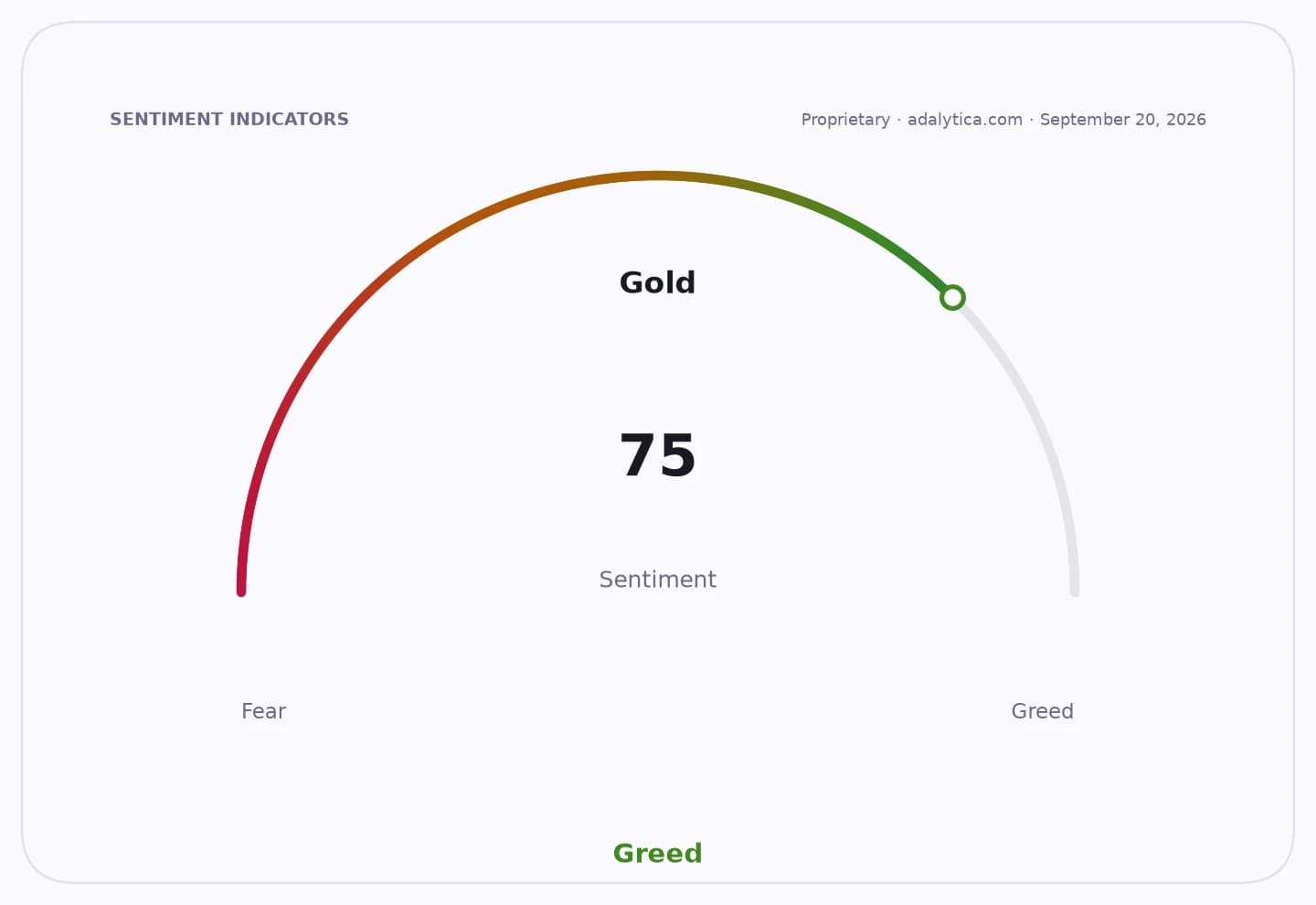
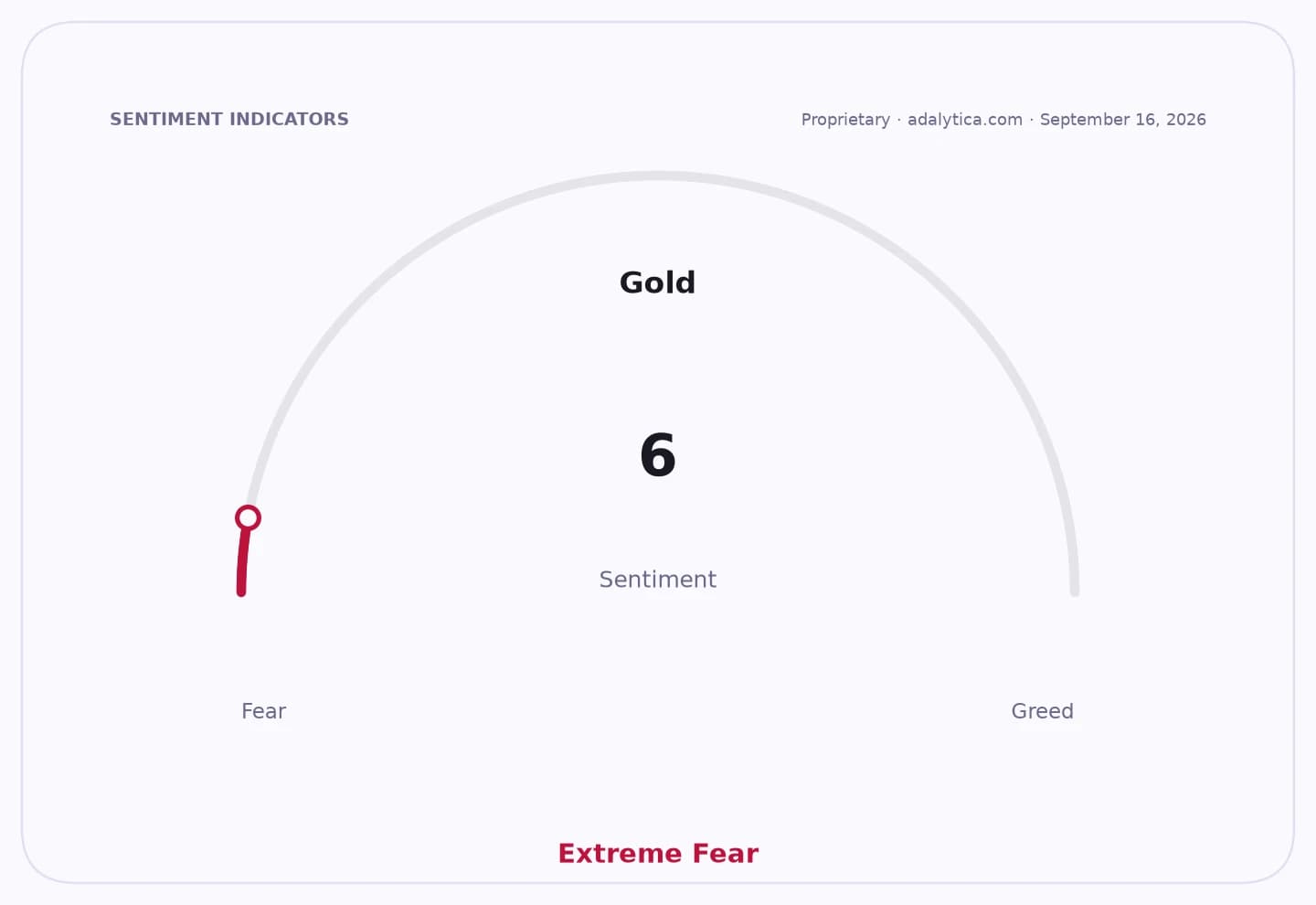
Sentiment IndicatorsⓘProprietary · adalytica.com · September 6, 2026
This is a snapshot — live sentiment, awareness and momentum for 130+ markets update continuously in the dashboard.Open AlphaPulse
The change would build on the gold hallmarking system introduced in 2021 and extend the same consumer-protection logic to silver, which has been voluntary since 2005. According to the data, more than 25,000 jewellers have already registered with the Bureau of Indian Standards for hallmarking, while 341 assaying and hallmarking centres operate across 102 districts. That infrastructure suggests the formal market is already adapting to a tighter regime.
The scale is meaningful. The Bureau’s survey across 345 districts found demand is strongest for lighter silver pieces, especially items weighing 10 to 25 grams and 25 to 50 grams, which account for 74% of preferences. Popular products include anklets, chains, toe rings, finger rings and bracelets. In other words, this is everyday jewellery, not a niche investment product. For investors tracking the jewellery supply chain, a compulsory hallmark could lift compliance costs for smaller sellers while benefiting organised retailers, certified testing centres and brands that can market trust as a premium.
The shift also points to a broader formalisation of the precious-metals trade. The data show that 95% of hallmarked silver items fall into the 925 and 800 purity grades, with southern India accounting for 62% of hallmarked volume. That regional concentration matters because it highlights where adoption is deepest and where enforcement will likely be easiest. It also gives bigger players a chance to scale faster than fragmented local shops.
For consumers, the practical test will be the HUID, or hallmark unique identification number. More than 7.7 million silver items have already been assigned one since its introduction last September, and from September 2025 a laser-marked six-digit alphanumeric HUID is set to appear on silver jewellery and artefacts. Buyers will be able to verify details through the BIS Care app, which should make counterfeit claims harder to pass off.
That is why investors should care even if they never buy silver jewellery. Mandatory hallmarking tends to favour formal brands, certification labs and organised retail, while squeezing businesses that relied on opaque pricing or inconsistent purity. It can also support long-term demand by making silver easier to trust as both adornment and store of value.
The bigger picture is simple: India is turning silver into a more regulated, more standardised market, just as festive buying picks up. That is good for consumers, good for compliance-heavy businesses and, over time, good for the credibility of the entire precious-metals ecosystem. For long-term investors, it is worth watching the formal jewellery names and the testing infrastructure that stands behind them.
| Entity | Gains | Losses |
|---|---|---|
| Consumers | ▲Purity assurance | ▼Less room for overpayment |
| BIS-certified jewellers | ▲Higher trust premium | ▼Compliance costs |
| Assaying centres | ▲More testing demand | ▼Smaller informal sellers |
| Informal jewellers | ▲— | ▼Margin pressure |