A police sweep in southern Turkey has broken up a three-person fraud ring that used near-perfect fake gold to deceive five jewelers, underscoring how organized counterfeiting can hit a sector built on trust, rapid cash turnover and thin margins.
Turkey police break up fake gold fraud ring
The case matters economically because gold jewelry is both a retail trade and a liquidity business: once a jeweler accepts counterfeit metal, the loss is immediate and often unrecoverable. In this case, investigators said the suspects sold fake gold to four jewelers in Antalya and one in Çanakkale, with losses at individual shops including 11,500 lira and 13,000 lira in separate Antalya transactions. Police also seized 143,700 lira in cash and $2,000, along with 61 grams of suspected fake gold and assorted jewelry items, suggesting the group had already converted part of the fraud into spendable proceeds.
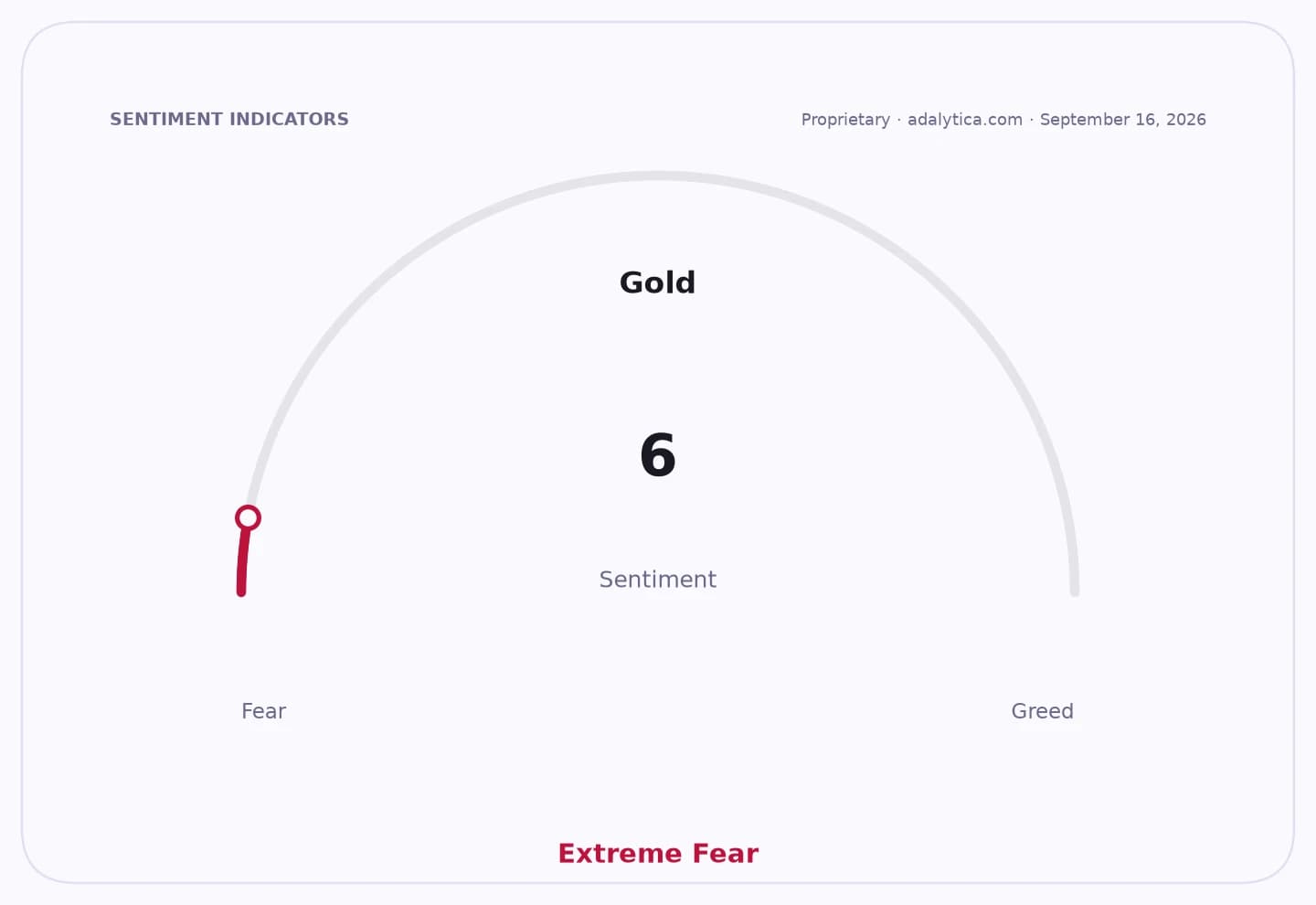
Sentiment IndicatorsⓘProprietary · adalytica.com · September 6, 2026
This is a snapshot — live sentiment, awareness and momentum for 130+ markets update continuously in the dashboard.Open AlphaPulse
For investors, the direct read-through is not to listed miners or bullion funds so much as to the broader jewelry and precious-metals supply chain. The episode highlights the operational risk facing small retailers that often rely on visual checks and in-person trust rather than advanced assay equipment. In a market where gold prices remain elevated and retail demand is sensitive to confidence, counterfeit risk can pressure transaction volumes, raise verification costs and favor larger chains with stronger controls.
Authorities said the suspects — identified as Sevinç C., 21, Eyüp K., 55, and Büşra G., 26 — traveled from Istanbul and moved through Antalya before heading toward Denizli, where they were detained after about 100 hours of CCTV review and vehicle tracking. Police said the group is believed to have hit multiple jewelers along the route and may have defrauded “dozens” of shops, though the confirmed cases cited so far are five. The defendants were later remanded in custody on charges of qualified fraud.
The broader narrative is a familiar one for cash-heavy consumer sectors: organized scammers exploit fragmented local markets, while enforcement depends on slow, labor-intensive surveillance. The response in this case — coordination between Antalya and Denizli police, along with vehicle plate tracking and hotel surveillance — shows authorities are getting better at dismantling these rings, but it also shows how quickly fake bullion can move through the retail gold trade before detection.
For jewellers, the lesson is likely to be stricter authentication, higher reliance on testing devices and more cautious acceptance standards. For investors in the gold ecosystem, the main implication is that counterfeit activity can erode trust at the margin even when broader bullion demand is supported by macro uncertainty.
| Entity | Gains | Losses |
|---|---|---|
| Police / prosecutors | ▲Higher success rate | ▼More workload |
| Jewelers with verification tools | ▲Lower fraud risk | ▼Higher costs |
| Suspected fraud ring | ▲None | ▼Assets seized, custody |
| Small jewelers | ▲Better deterrence | ▼Direct counterfeit losses |