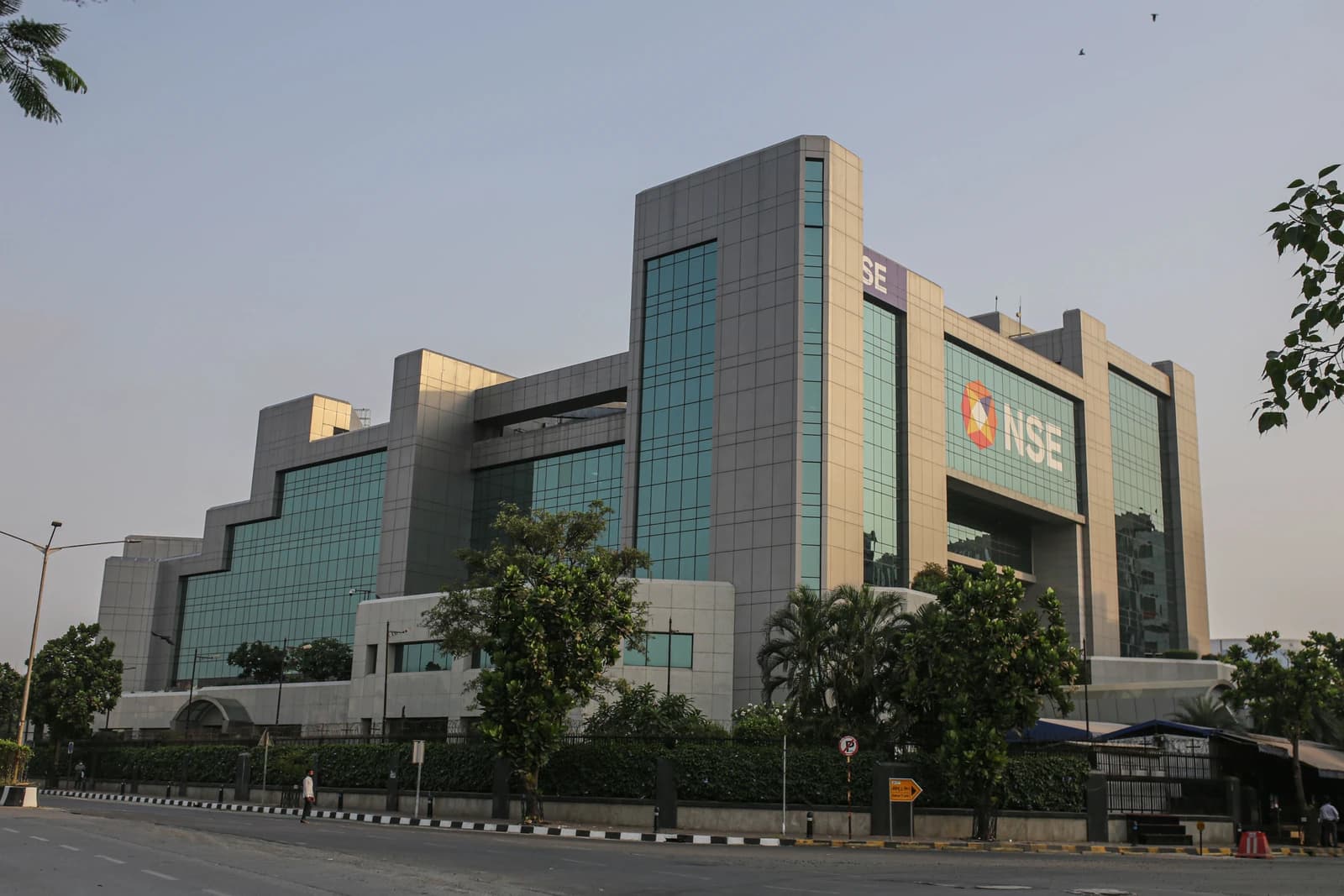
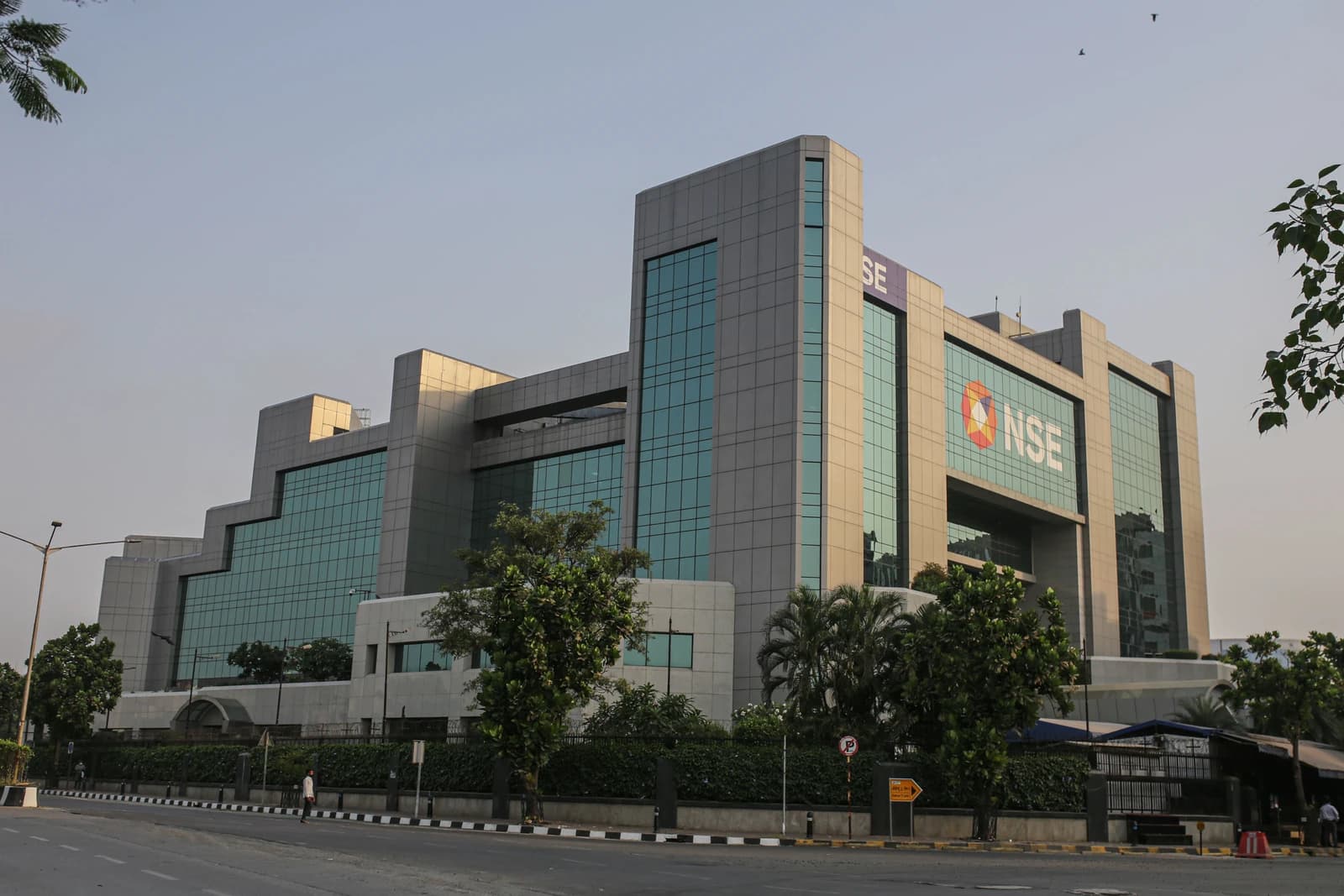
Indian equities are regaining traction as foreign money pours back into the market, with the Sensex opening 502.26 points higher and extending a four-week winning streak that has nearly erased its year-to-date losses.
India stocks rise as foreign inflows return
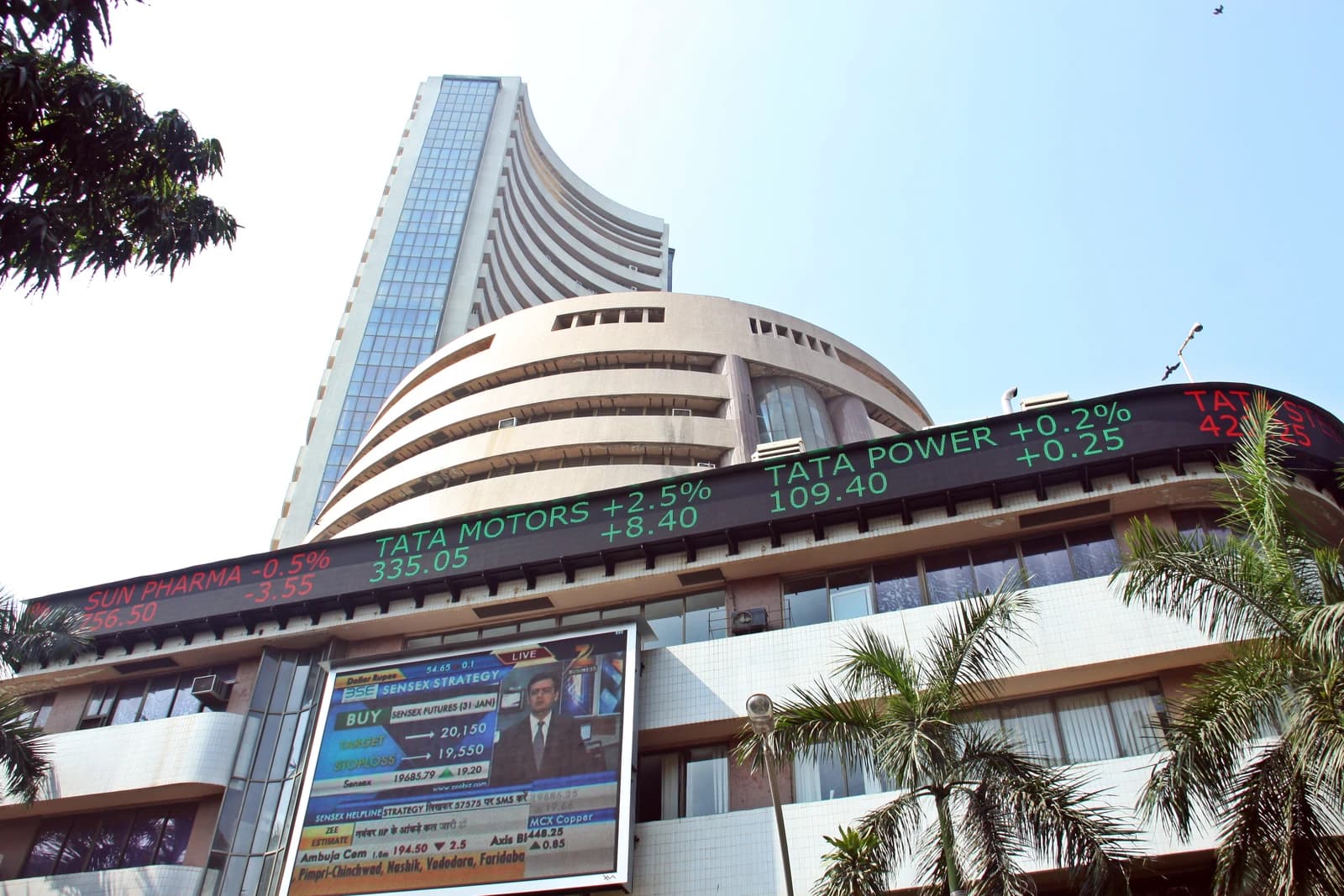
That matters because the rebound is not being driven by a single sector story or a domestic policy surprise — it is being powered by capital flows. Foreign investors bought a net 103.08 billion rupees of Indian shares on Friday, or about $1.11 billion, and have poured a record $13 billion into the market since the start of November. That has cut India’s cumulative foreign outflows for the year to about $18.4 billion, easing one of the biggest overhangs on local risk assets.
Sentiment Indicators
For investors, the message is straightforward: India is back on the radar as a relative safe haven in a world still dealing with slowing growth, volatile global technology stocks and uncertainty around U.S. rates and the dollar. When overseas institutions return at this pace, they tend to support not just the headline index but also large-cap liquidity, small- and mid-cap sentiment, and the broader risk appetite that has been absent during much of the year.
The catalyst is also being reinforced by a better macro backdrop. Softer oil prices are helping India’s import bill and inflation outlook, while global selling in AI-linked stocks is encouraging investors to rotate toward markets with stronger earnings visibility and less extreme valuations. On Monday, 15 of the Sensex’s 16 major industry groups opened higher, while small-cap and mid-cap shares gained about 0.2%, suggesting the rally is broadening beyond index heavyweights.
Technically, the move has momentum behind it. The Sensex’s year-to-date loss has shrunk to less than 1%, a sharp reversal from the earlier slump, and the continued rise in turnover shows the buying is not just passive index tracking. The India-focused ETFs INDA, EPI and INDY have also recovered from earlier weakness, underscoring how global capital is using exchange-traded funds to re-enter the trade.
Our thesis is that the market is underestimating how powerful this flow reversal can be if it persists. India does not need a euphoric growth story to keep working; it needs steady foreign allocations, a calmer oil backdrop and enough earnings resilience to justify the premium. If those conditions hold, the beneficiaries are likely to be banks, consumer franchises, infrastructure plays and broad market ETFs that capture the next leg of foreign participation.
The risk, of course, is that this remains a flow-driven rally vulnerable to any reversal in the dollar or U.S. equities. But for now, the setup is constructive, and investors should treat the renewed foreign bid as an early signal that India is once again becoming a core emerging-market allocation rather than a tactical trade.
| Entity | Gains | Losses |
|---|---|---|
| Foreign investors | ▲Higher India exposure | ▼Cash held on the sidelines |
| Sensex bulls | ▲Index momentum | ▼Buyers waiting for a pullback |
| India large caps | ▲Stronger inflows | ▼Discount to global peers narrows |
| U.S. AI-heavy stocks | ▲None | ▼Capital rotation to India and broader EM |