The Indian Air Force is warning that delays in Tejas fighter deliveries are already hurting combat readiness, underscoring a widening gap between India’s modernization plans and the pace of domestic production.
India Air Force warns of Tejas delivery delays
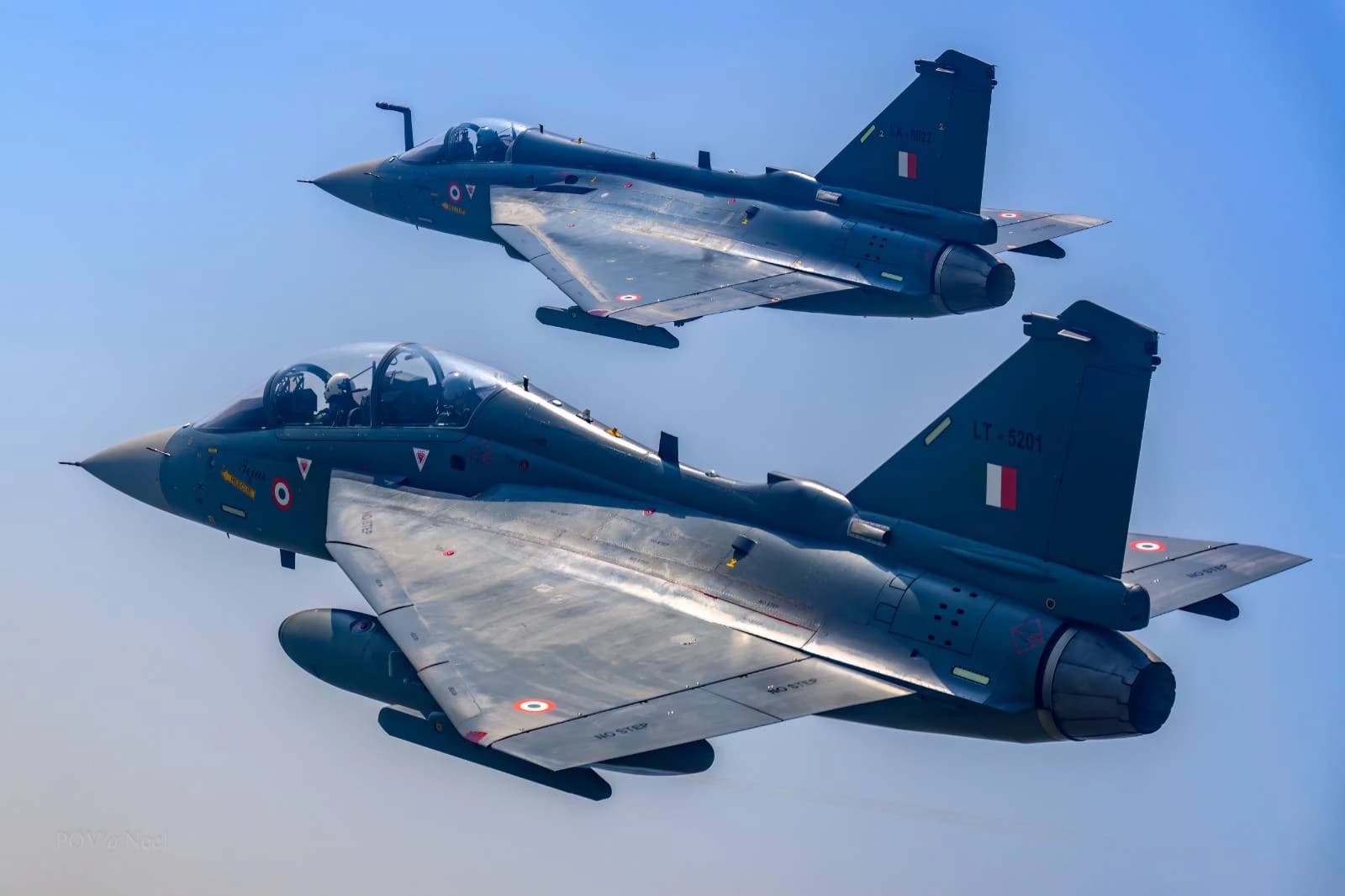
Air Chief Marshal A.P. Singh said the force needs to induct at least 36 to 40 fighter jets a year over the next few years just to stop squadron strength from falling further, as the IAF faces a shrinking inventory and growing security demands.
Sentiment IndicatorsⓘProprietary · adalytica.com · October 4, 2026
This is a snapshot — live sentiment, awareness and momentum for 130+ markets update continuously in the dashboard.Open AlphaPulse
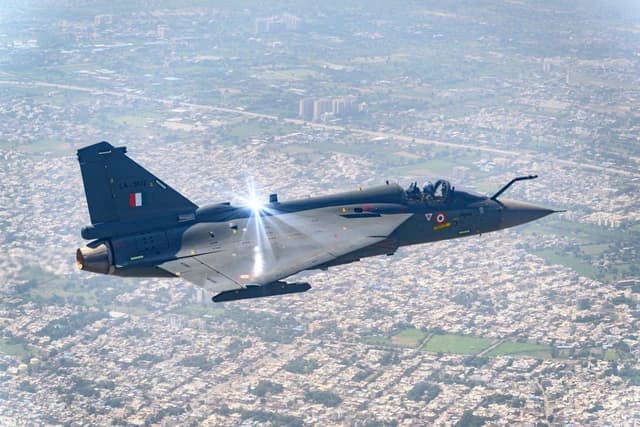
The comments sharpen pressure on Hindustan Aeronautics Ltd, which has yet to deliver a single Tejas Mk-1A jet under a 2021 contract for 83 aircraft worth about 480 billion rupees, even though the first handover was originally due in March 2024. The air force later signed another deal for 97 more Tejas aircraft last year, taking the planned indigenous fleet expansion well beyond 180 jets.
The delivery lag matters economically because India is trying to build a larger domestic defense manufacturing base while reducing reliance on imports. Every delay pushes back industrial output, delays payments and complicates the broader push to scale local aerospace supply chains around one of the country’s flagship defense programs.
It also matters for investors because the Tejas program is tied not only to HAL’s execution but to the wider defense procurement cycle, including the long-stalled multi-role fighter aircraft plan and India’s expected order for 114 Rafales. Faster execution would support HAL’s revenue visibility, while continued slippage could keep scrutiny on margins, timelines and the company’s ability to convert large orders into deliveries.
The warning comes as India’s officially sanctioned 42-fighter-squadron target looks increasingly distant, with current strength at about 30 squadrons. Singh said the delays are leaving the air force with less room to absorb operational risk even as Pakistan and China deepen cooperation on next-generation combat aircraft.
For markets, the story keeps focus on India’s defense spending pipeline, where domestic champions such as HAL and foreign suppliers including Dassault and other program partners stand to benefit if contracts move from approvals to production. The next catalyst is whether the government finalizes the multi-role fighter aircraft deal this fiscal year and whether Tejas deliveries finally begin to catch up with promised schedules.
| Entity | Gains | Losses |
|---|---|---|
| Indian Air Force | ▲Faster squadron rebuild | ▼Operational readiness from delays |
| HAL | ▲Revenue from Tejas orders if deliveries ramp | ▼Credibility from missed timelines |
| Dassault / Rafale program | ▲Potential demand from 114-jet deal | ▼Delay if procurement stalls |
| India defense imports vs. domestic production | ▲Import side if local programs slip | ▼Indigenous manufacturing push |