India’s updated tourist visa rules may sound procedural, but they matter because easier entry can translate into more visitors, more airline seats sold and more spending across hotels, payments and attractions.
India tourist visa rules lift travel stocks
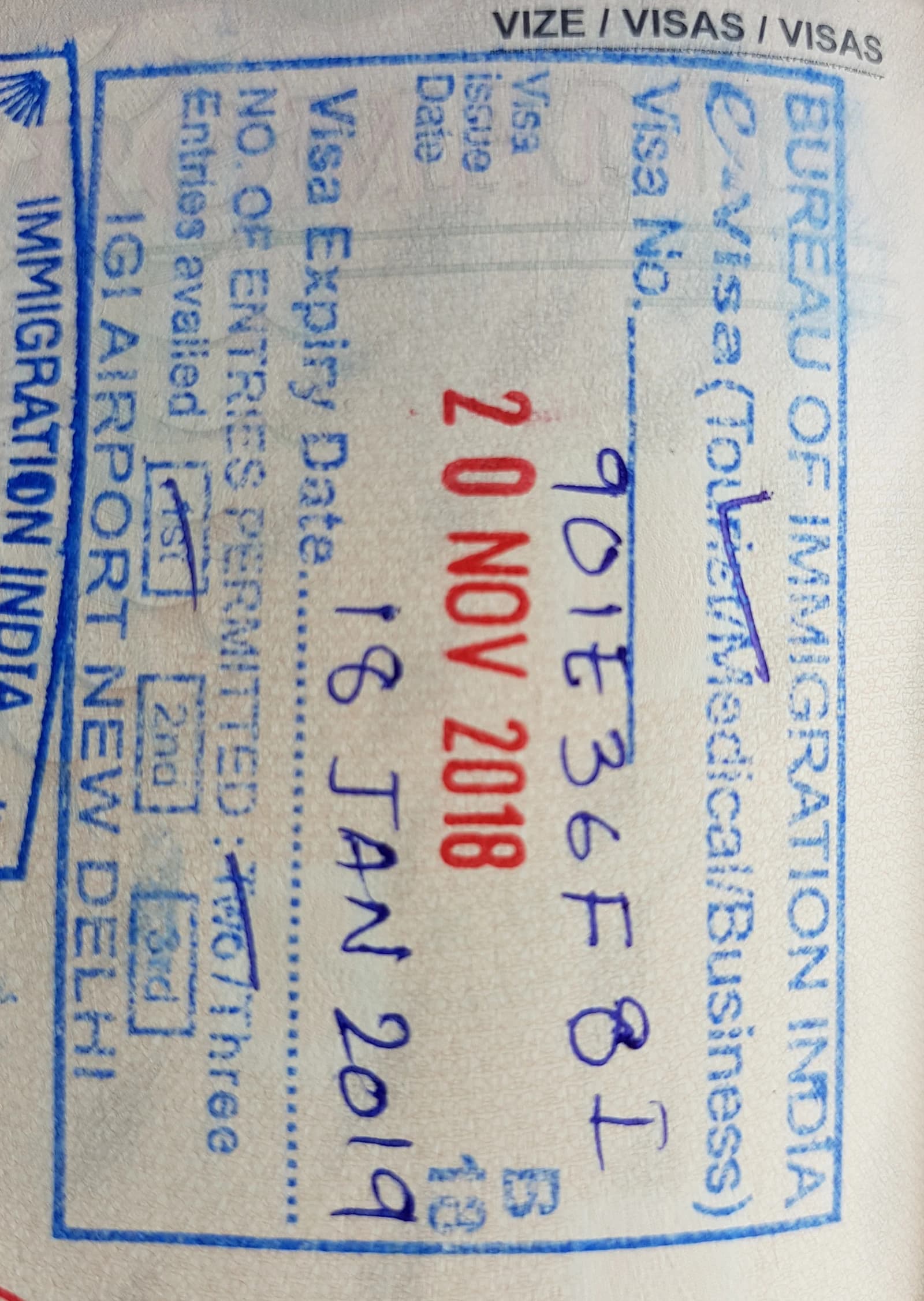
For investors, that is the real story. Tourism is one of those quiet economic engines that compounds over time: when a country makes it simpler to visit, the benefits ripple through carriers, booking platforms, card networks and destination operators. India has already become a more important travel market as rising incomes create a larger middle class eager to spend on experiences, and visa policy can either accelerate that trend or put friction back into the system.
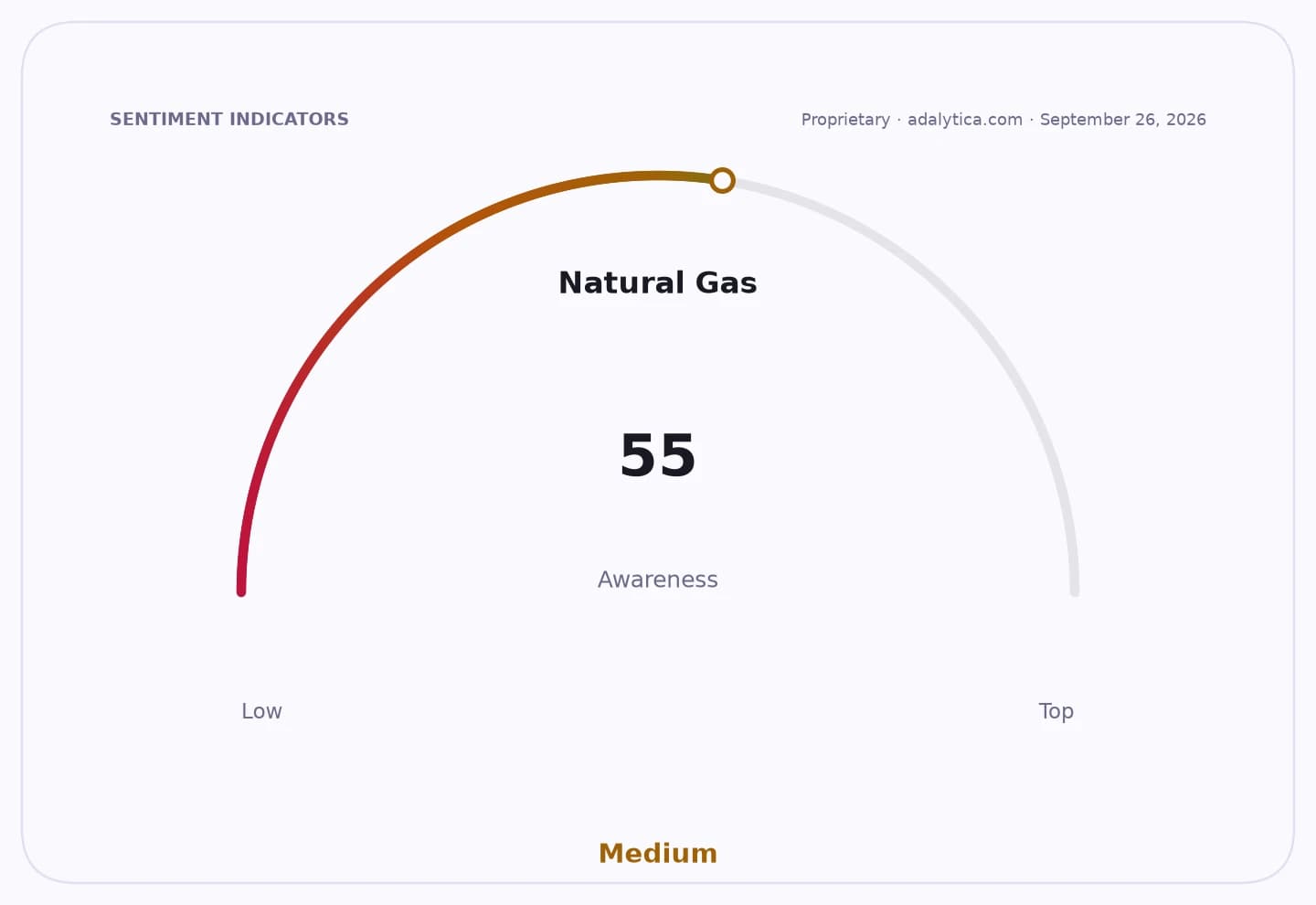
Sentiment IndicatorsⓘProprietary · adalytica.com · August 18, 2026
This is a snapshot — live sentiment, awareness and momentum for 130+ markets update continuously in the dashboard.Open AlphaPulse
The shift also lands at a moment when global travel demand remains resilient. International airlines and travel-related companies have been leaning on premium leisure demand, and anything that makes India more accessible should help preserve that momentum. The effect is likely to be felt first by travel intermediaries and payment processors that earn fees every time a trip is booked, a hotel is paid for or a card is swiped abroad.
That is why investors should pay attention to names such as the JETS airline ETF and Visa, which are exposed to rising cross-border travel flows, as well as broader travel platforms that benefit when trip planning gets easier. The stock charts suggest those businesses have already had a strong run at times, but the bigger point is structural: travel demand tied to India is becoming less cyclical and more secular.
There are still risks. Visa changes alone do not guarantee a surge in arrivals if airfares rise, geopolitical tensions flare or the rupee weakens. But over a three- to 10-year horizon, reduced friction at the border is the kind of policy improvement that can keep compounding quietly in the background.
For long-term investors, that makes India’s tourism policy worth watching, not trading. If easier visas help turn occasional trips into a steadier flow of inbound and outbound travel, the winners could be the companies that make global tourism seamless.
| Entity | Gains | Losses |
|---|---|---|
| Indian tourism sector | ▲More arrivals and spending | ▼Less friction from tighter entry rules |
| Airlines and JETS | ▲Higher seat demand | ▼Lower booking drag from visa hassle |
| Visa and payment networks | ▲More cross-border transaction volume | ▼Fewer travel payments if trips are delayed |
| Travelers | ▲Easier access and lower planning friction | ▼Paperwork burden and uncertainty |