Indian Oil Corporation shares posted their biggest intraday gain since June 12 on Monday after the state-run refiner delivered a September-quarter profit far above estimates and prompted Jefferies and JPMorgan to stick with bullish calls.
Indian Oil profit beats estimates, shares rise

The stock rose as much as 3.11% to Rs 134.20 on the NSE, adding Rs 4.05, after IOC reported standalone net profit of Rs 21,630.03 crore for Q2FY27, compared with Zee Business estimates of Rs 5,556 crore. Revenue from operations climbed 29.5% year on year to Rs 2,62,935.58 crore, also ahead of forecasts.
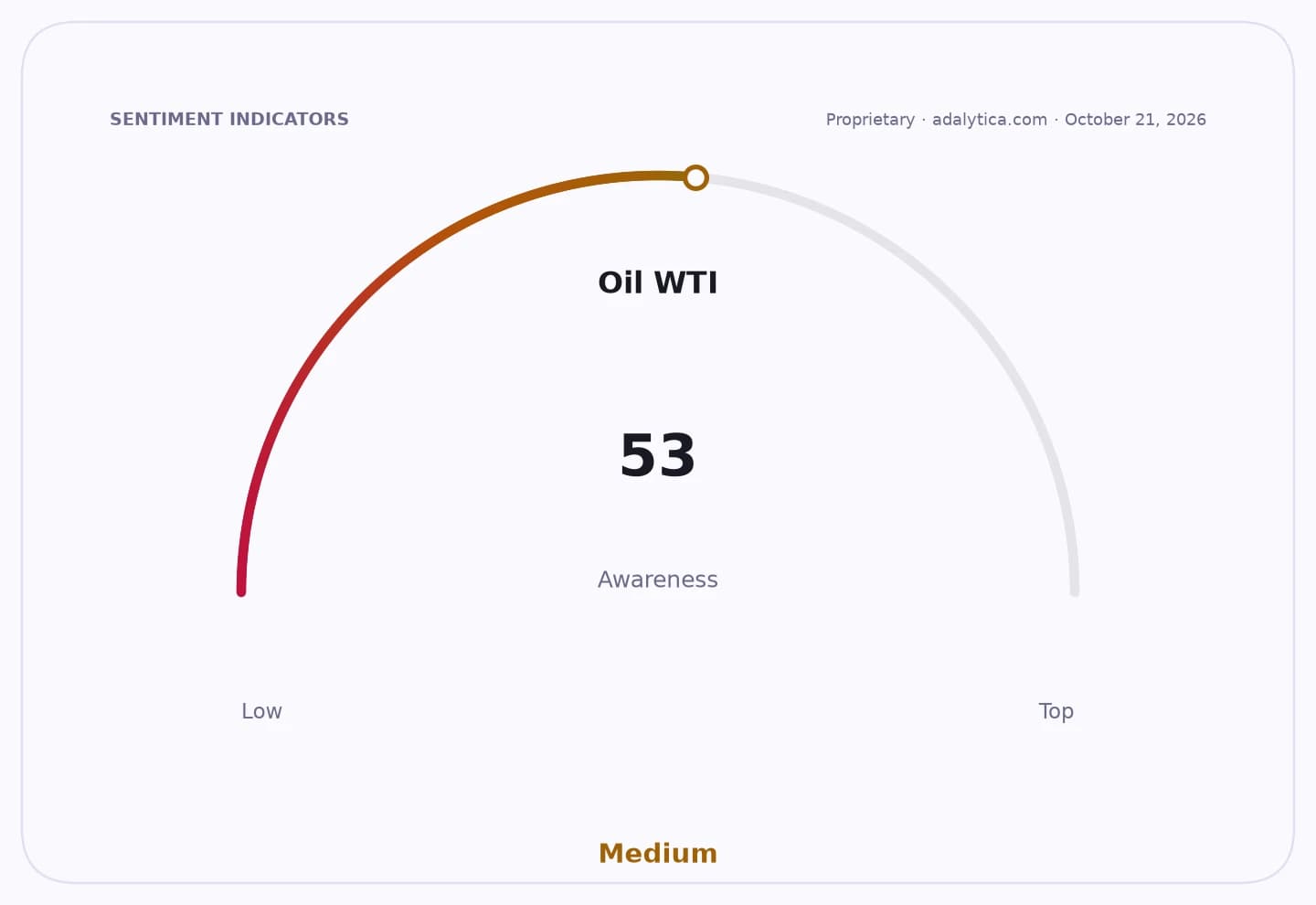
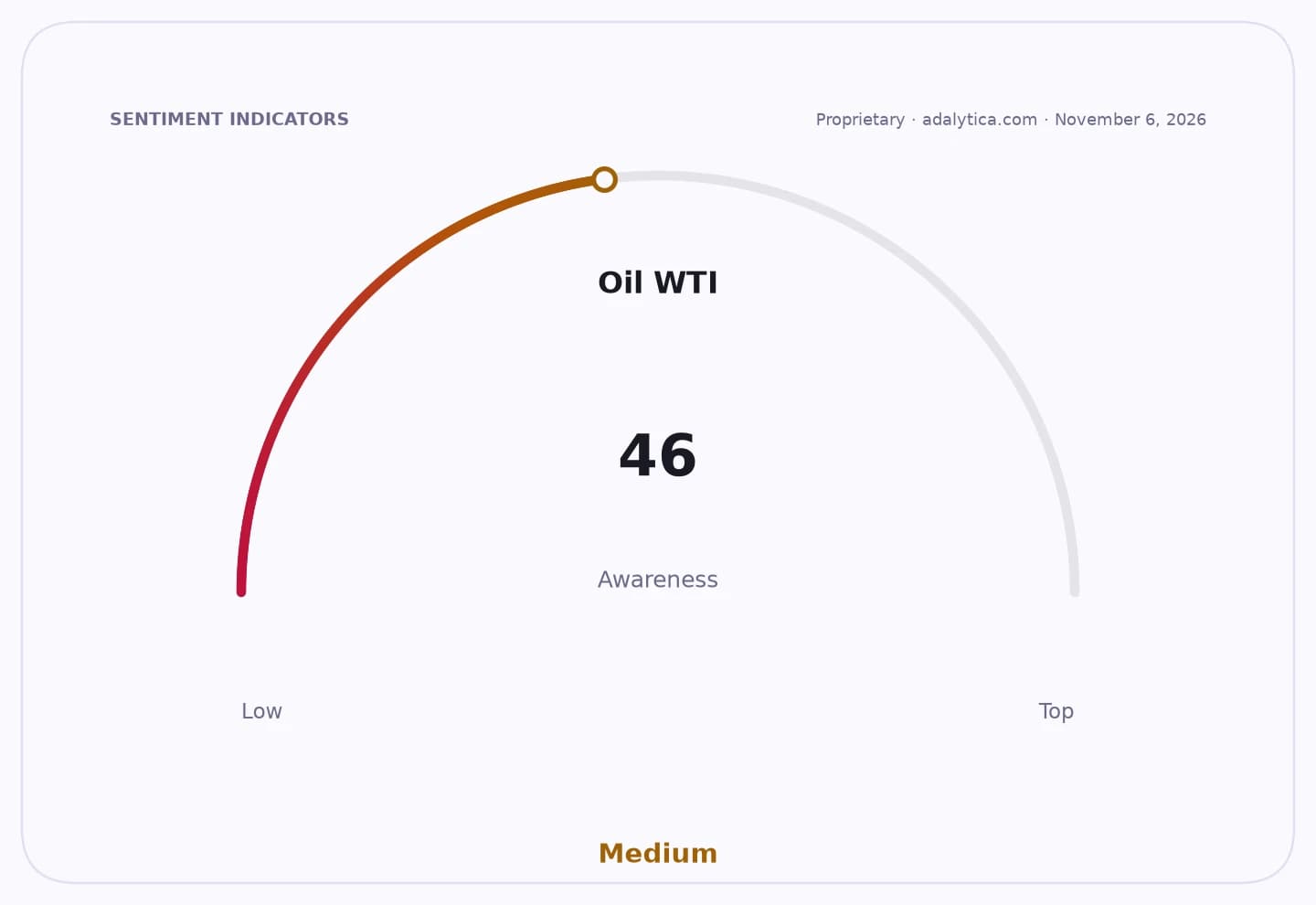
Sentiment Indicators
The earnings beat matters because Indian Oil sits at the center of India’s fuel supply chain, and stronger refining and marketing results can quickly shift sentiment across state-owned energy names. IOC’s profit surged 184.2% from a year earlier and swung back from a loss of Rs 2,661.37 crore in the June quarter, helped by lower expenses and a sharp rebound in profit before tax to Rs 26,616.62 crore.
Brokerage support added fuel to the rally. Jefferies kept its Buy rating and set a target of Rs 175, while JPMorgan maintained Buy with a Rs 170 target, arguing that refining margins should stay firm through winter on global supply disruptions and low inventories. Both firms raised earnings estimates, though they warned that higher crude prices and marketing losses could pressure profitability later in the year.
IOC’s quarterly numbers also showed the trade-off investors are watching: earnings improved even as activity softened from the prior quarter. Domestic product sales fell 5.05% sequentially, refinery throughput declined 5.52% and pipeline throughput dropped 11.21%, even as exports rose 30.45%.
For investors, the stock now sits at the intersection of stronger near-term refining economics and a heavier capex cycle. IOC plans to spend Rs 30,000-Rs 40,000 crore a year over the next four to five years, with brownfield refinery expansion of about 20 million tonnes by December 2026 and renewable-energy capacity targets of 30 GW to 31 GW by 2030.
The next read-through will be whether crude stays elevated and whether marketing margins hold up into the second half, with the company’s expansion timetable and winter demand likely to steer the stock’s next move.
| Entity | Gains | Losses |
|---|---|---|
| IOC shareholders | ▲Stronger earnings, higher targets | ▼Near-term crude cost risk |
| Jefferies/JPMorgan bullish calls | ▲Validation of Buy stance | ▼Lower upside if margins compress |
| IOC operations | ▲Higher refining profitability | ▼Weaker sequential throughput |
| Fuel consumers/importers | ▲— | ▼Potentially higher pricing pressure |