Indian steel prices are heading higher in the coming weeks as mills pass on surging coking coal costs and a post-monsoon pickup in infrastructure, construction and auto demand tightens supply.
Indian steel prices rise on coking coal costs

That combination matters because steel is a core industrial input, so a sustained price increase would lift margins for producers while raising costs for builders, automakers and project developers just as activity is normalizing after the monsoon slowdown.
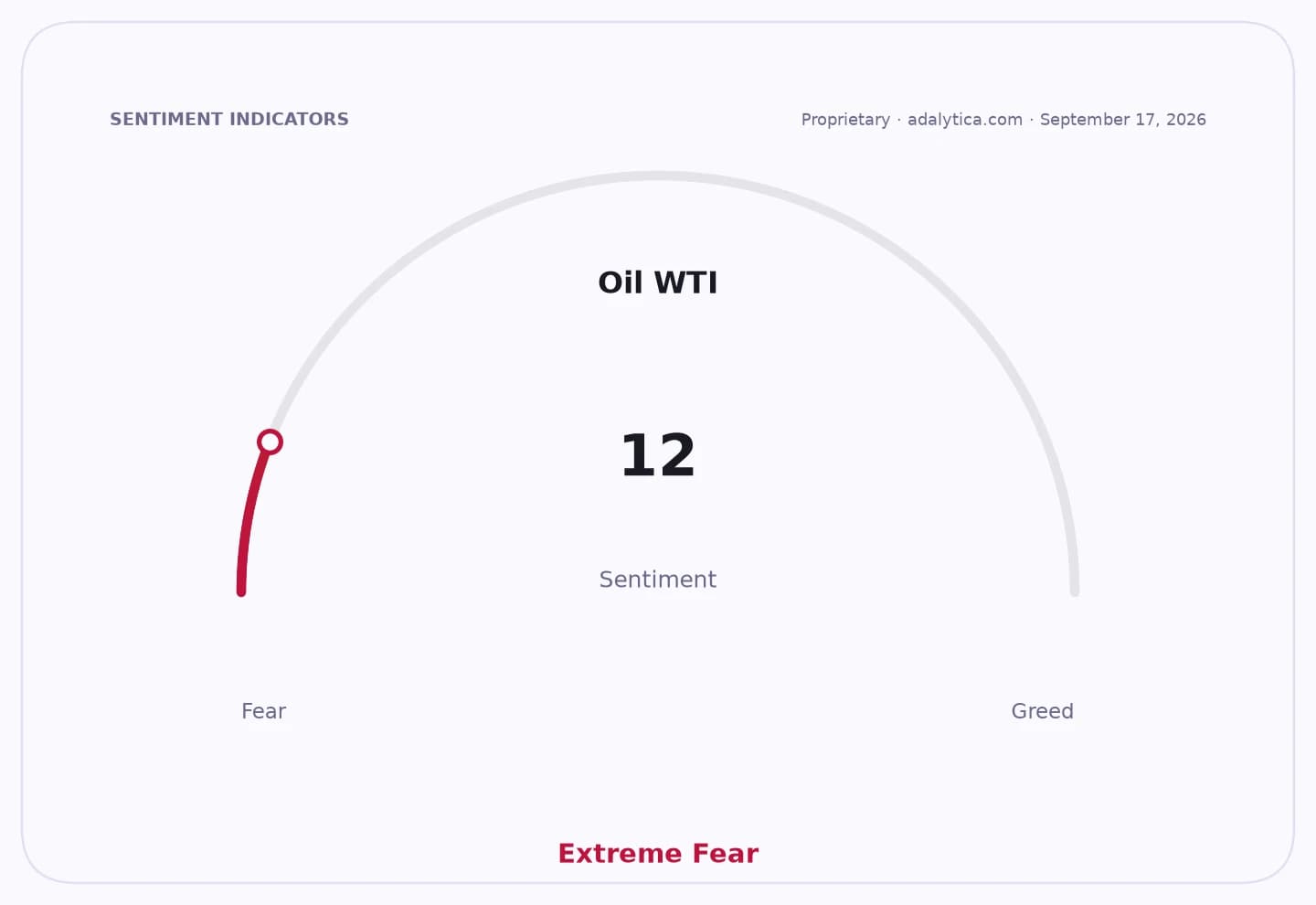
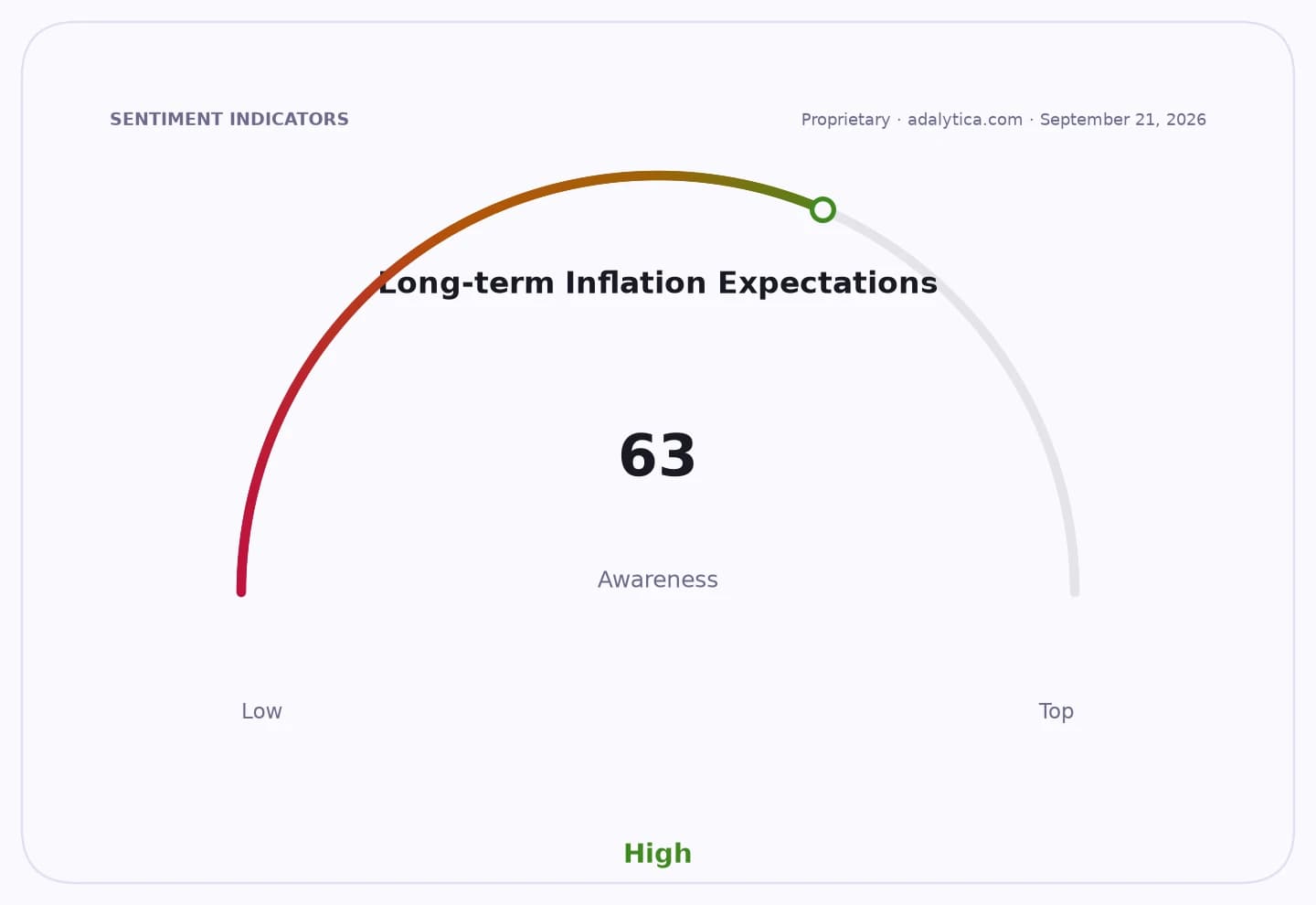
Sentiment IndicatorsⓘProprietary · adalytica.com · September 8, 2026
This is a snapshot — live sentiment, awareness and momentum for 130+ markets update continuously in the dashboard.Open AlphaPulse
Hot-rolled coil prices have already climbed 4,000 rupees a metric ton between August and early September to a four-year high, according to BigMint, after mills cut prices only briefly in June and July. One industry executive expects another 3,500 rupees a ton of gains in the coming weeks, helped by planned maintenance shutdowns, lean distributor inventories and restocking ahead of the festive season.
The key driver is coking coal, a major steelmaking raw material that has been forcing mills to push through higher costs. That is restoring some pricing power to producers after a weak patch, and it helps explain why Indian steel stocks have stayed resilient even as the broader market worries about import pressure.
The market is not offering a straight-line rally, though. India was a net importer of finished steel between April and July, with imports up 36.6% from a year earlier, and China supplied 31% of those shipments. New safeguard and anti-dumping actions may slow inflows, but they have not stopped them, which means aggressive price hikes could still be capped if overseas material keeps undercutting domestic mills.
That sets up a clear investment split. Domestic producers such as JSW Steel, Tata Steel and SAIL stand to benefit first if higher prices stick long enough to widen spreads and repair margins. Their shares have already been bid up sharply this year, but the underlying earnings momentum could still have room to run if coking coal stays firm and restocking demand persists into the festive quarter.
The bigger opportunity, in my view, is to think beyond the mills. If steel inflation proves durable, it becomes a tax on the rest of the industrial economy and a tailwind for any company with pricing power, inventory discipline or exposure to upstream materials rather than finished steel consumption. The market often underestimates how quickly a raw-material squeeze can reprice an entire supply chain.
For investors, the takeaway is simple: the next move in Indian steel is still upward, but the better trade may be staying long the domestic producers and selective miners while being cautious on steel-intensive manufacturers and import-dependent buyers. If coking coal stays expensive and demand keeps recovering, this is a margin cycle that can extend further than consensus expects.
| Entity | Gains | Losses |
|---|---|---|
| Indian steel mills | ▲Higher realizations | ▼Imported-price competition |
| JSW Steel, Tata Steel, SAIL | ▲Margin recovery | ▼Raw-material volatility |
| Builders, automakers, project firms | ▲— | ▼Higher input costs |
| Importers / Chinese suppliers | ▲Slower access if duties bite | ▼Pricing power in India |