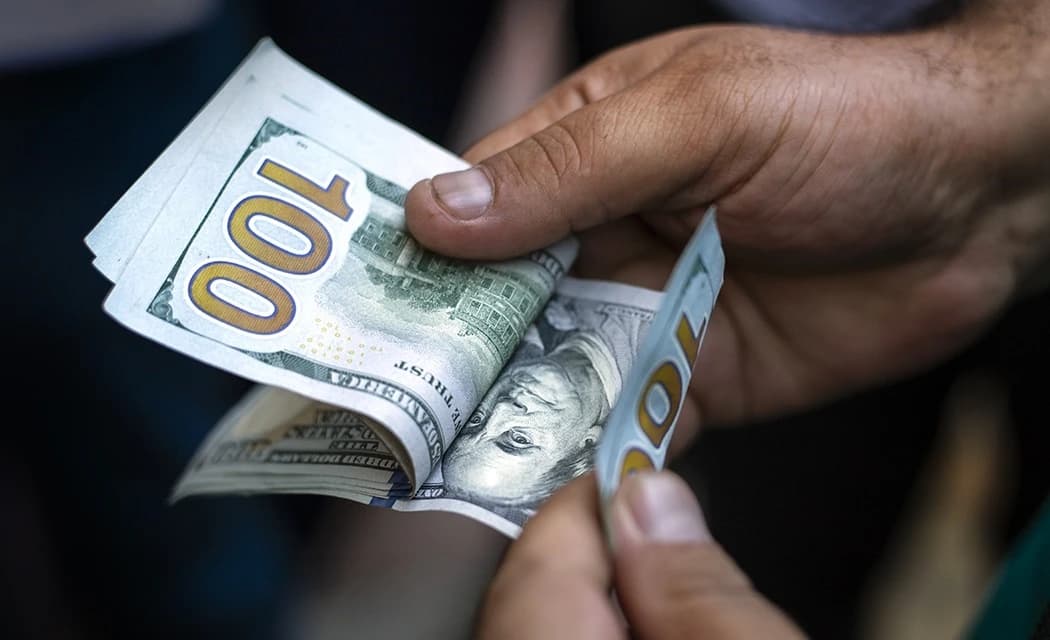
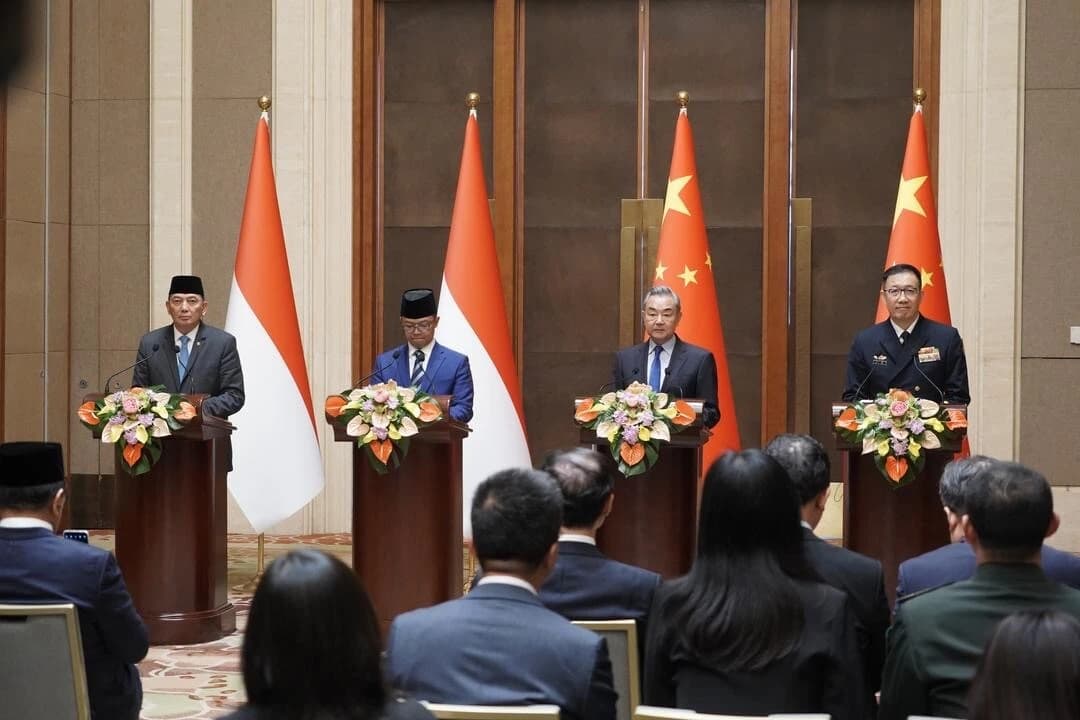
Bank Indonesia is encouraging companies to settle trade with other BRICS members in local currencies, a move that could gradually chip away at dollar dependence in one of Asia’s largest emerging markets and reshape how firms manage FX risk and liquidity.
Indonesia Pushes BRICS Trade in Local Currencies
The policy push matters because trade invoicing and settlement decisions sit at the heart of cross-border finance. If more Indonesian importers and exporters use rupiah and partner currencies instead of the dollar, the immediate effect would be lower transaction costs and less exposure to dollar swings. For policymakers, it is also a way to reduce vulnerability to US financial conditions and preserve foreign-exchange reserves over time.
Sentiment IndicatorsⓘProprietary · adalytica.com · September 14, 2026
This is a snapshot — live sentiment, awareness and momentum for 130+ markets update continuously in the dashboard.Open AlphaPulse
For investors, the shift is less about an overnight de-dollarization trade than a slow re-pricing of currency demand, hedging flows and funding patterns across Southeast Asia. The dollar remains the dominant settlement currency globally, and Bank Indonesia’s effort is likely to be incremental rather than disruptive. But even incremental changes can matter for banks, exporters, commodity traders and portfolio managers who depend on stable FX markets. Adalytica’s US dollar trade signals still show a strong reading, with sentiment at 74, suggesting the greenback remains well supported despite the policy rhetoric.
The timing is notable because local-currency settlement has become a recurring theme among emerging-market policymakers seeking more monetary autonomy. BRICS countries have been promoting bilateral trade channels that bypass the dollar, part of a broader effort to build resilience against sanctions, capital-flow shocks and higher US rates. For Indonesia, the case is practical as much as political: a larger share of local-currency trade can reduce the need for firms to source dollars in volatile markets and can support domestic financial infrastructure.
Markets, however, will focus on execution rather than messaging. The effectiveness of such programs depends on swap lines, bank participation, pricing transparency and whether trading partners are willing to accept and hedge local-currency exposure. If liquidity is thin, companies may continue to prefer dollars for the bulk of transactions, limiting the policy’s real-world impact. That risk helps explain why currency markets typically react more to central bank backstops and rate differentials than to diplomatic statements alone.
For now, the message from Jakarta is that Indonesia wants to deepen regional trade links while trimming the dollar’s role at the margin. Investors should watch for any formal settlement framework, larger bilateral swap arrangements and signs that corporates are actually invoicing in local currencies rather than simply endorsing the idea. If adoption broadens, the beneficiaries would be regional trade participants and local financial institutions; the losers would be dollar intermediaries and firms that have relied on abundant USD liquidity.
| Entity | Gains | Losses |
|---|---|---|
| Indonesian exporters/importers | ▲Lower FX costs | ▼Less access to deep USD liquidity |
| Local banks | ▲More settlement business | ▼Higher currency-management complexity |
| BRICS trade partners | ▲Stronger local-currency use | ▼Weaker dollar-based trade share |
| Dollar funding channels | ▲Stable near term | ▼Gradual erosion at the margin |