Indonesia’s push to electrify its transport system is running into the same problem that has long hobbled its oil bill: a weak domestic supply chain.
Indonesia EV adoption lags as oil import bill stays high

On paper, the shift to electric two-wheelers would cut emissions and reduce fuel imports, but the country has electrified too little of its massive motorcycle fleet for the gains to matter. Indonesia sold 6.41 million motorcycles last year, while just 55,059 electric bikes were registered for type testing, leaving EVs at less than 1% of the market and exposing how far the transition still has to go.
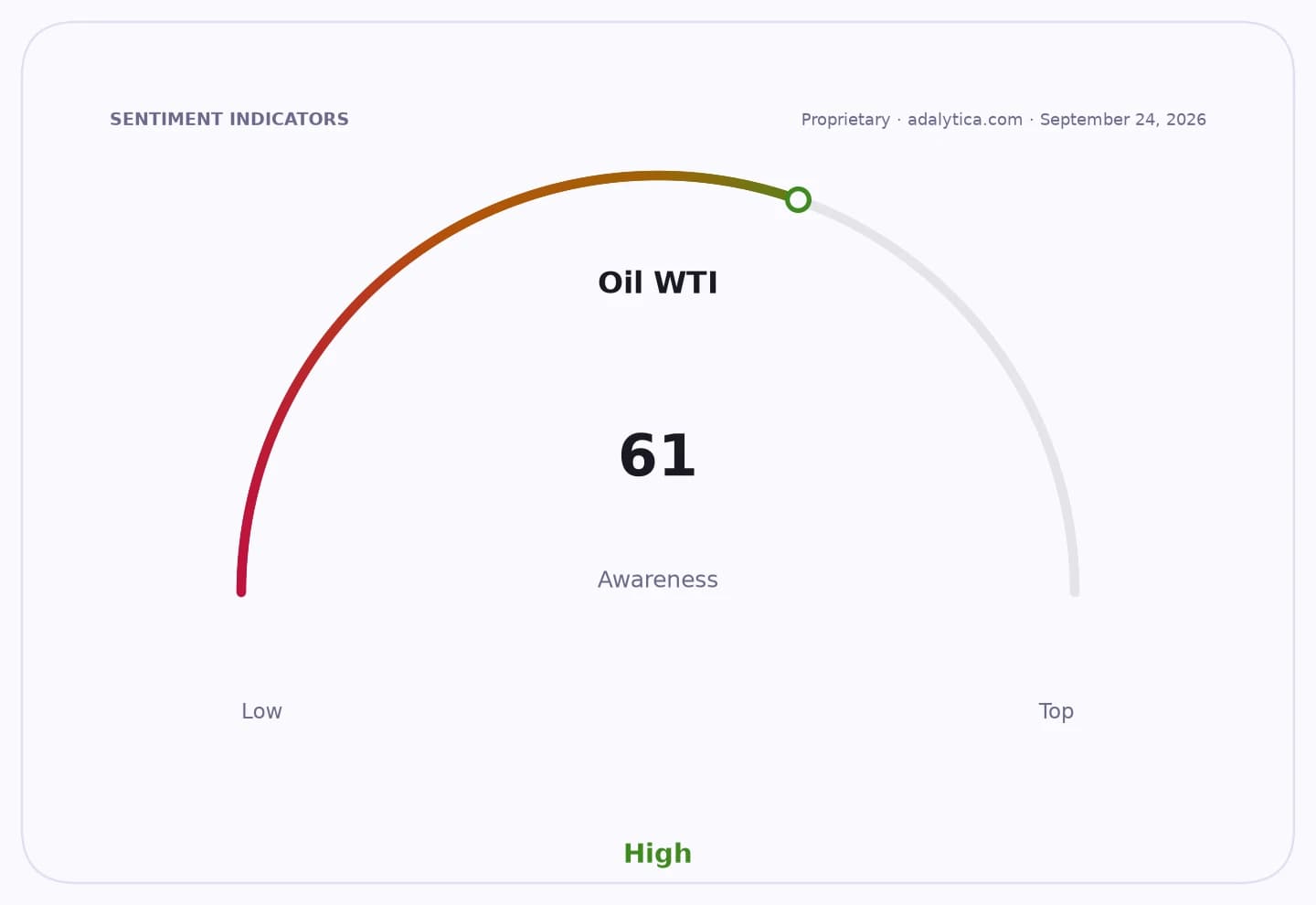
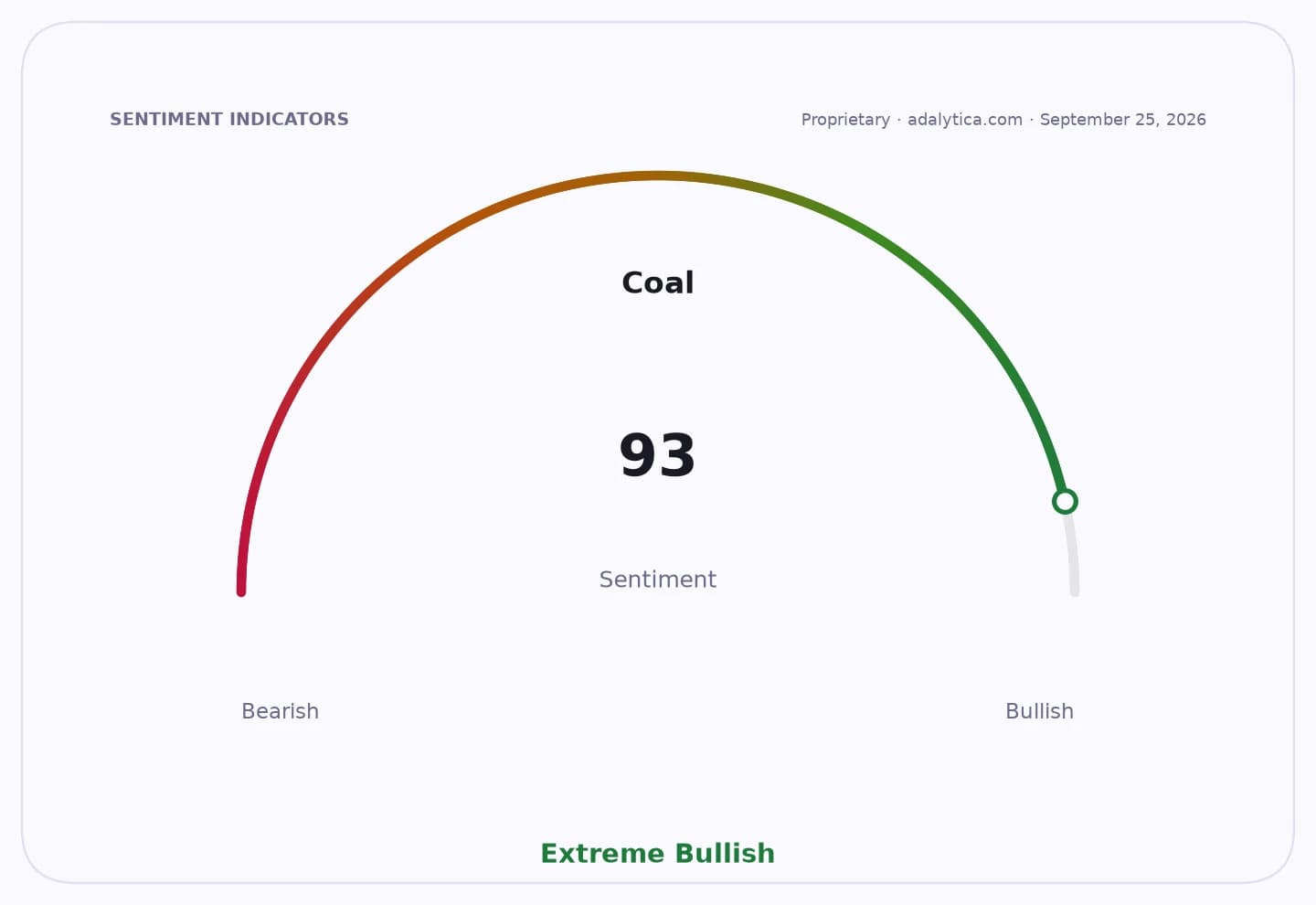
Sentiment IndicatorsⓘProprietary · adalytica.com · September 10, 2026
This is a snapshot — live sentiment, awareness and momentum for 130+ markets update continuously in the dashboard.Open AlphaPulse
That matters economically because Indonesia is already spending heavily to feed its appetite for imported energy. Domestic crude and condensate output fell to about 582,000 barrels a day in 2024, while national fuel consumption climbed to roughly 1.7 million barrels a day, helping drive an oil and gas import bill of $36.3 billion.
The risk for policymakers is that an energy transition built too fast and too shallow could simply swap one external dependency for another. Unless Indonesia develops local battery, charging and power infrastructure alongside vehicle adoption, it could end up importing more cells and still leaning on coal-heavy electricity to run the fleet.
The country’s carbon math also shows why the motorbike market is the key battleground. An electric motorcycle in Indonesia emits about 26 grams of CO2 per kilometer, versus roughly 45 grams for a gasoline bike once refining and transport are included. But with 173.7 million registered vehicles in 2025, nearly 84% of them two-wheelers, the climate and balance-of-payments impact will remain limited unless scooters and commuter bikes replace the bulk of petrol models.
Investors should read that as both a policy and industrial opportunity. Battery makers, charging network operators, grid providers and local parts suppliers stand to benefit if Jakarta succeeds in building a domestic ecosystem, while oil importers and fuel retailers face a longer-term demand risk. For now, the dominant market takeaway is that Indonesia’s electrification story is less about EV sales momentum than about whether it can localize the value chain fast enough to keep capital, jobs and energy spending at home.
| Entity | Gains | Losses |
|---|---|---|
| Indonesian battery suppliers | ▲Local demand if supply chain builds | ▼Miss out if imports dominate |
| PLN and grid operators | ▲More electricity sales | ▼Higher strain from charging demand |
| Oil importers and fuel retailers | ▲Limited near-term relief | ▼Long-term fuel demand erosion |
| EV makers and dealers | ▲Policy support and new market | ▼Slow adoption without infrastructure |