Indonesia’s government debt climbed to Rp10,326.93 trillion by Sept. 30, 2026, sharpening pressure on fiscal space even as officials say the budget remains manageable.
Indonesia Government Debt Rises to Rp10,326.93 Trillion

The latest Finance Ministry data show debt rose from Rp10,293.69 trillion at the end of June, underscoring that borrowing continues to edge higher as the state relies on financing to support spending. The debt stock is now dominated by government securities, or SBN, which make up 86.78% of the total, while loans account for 13.22%.
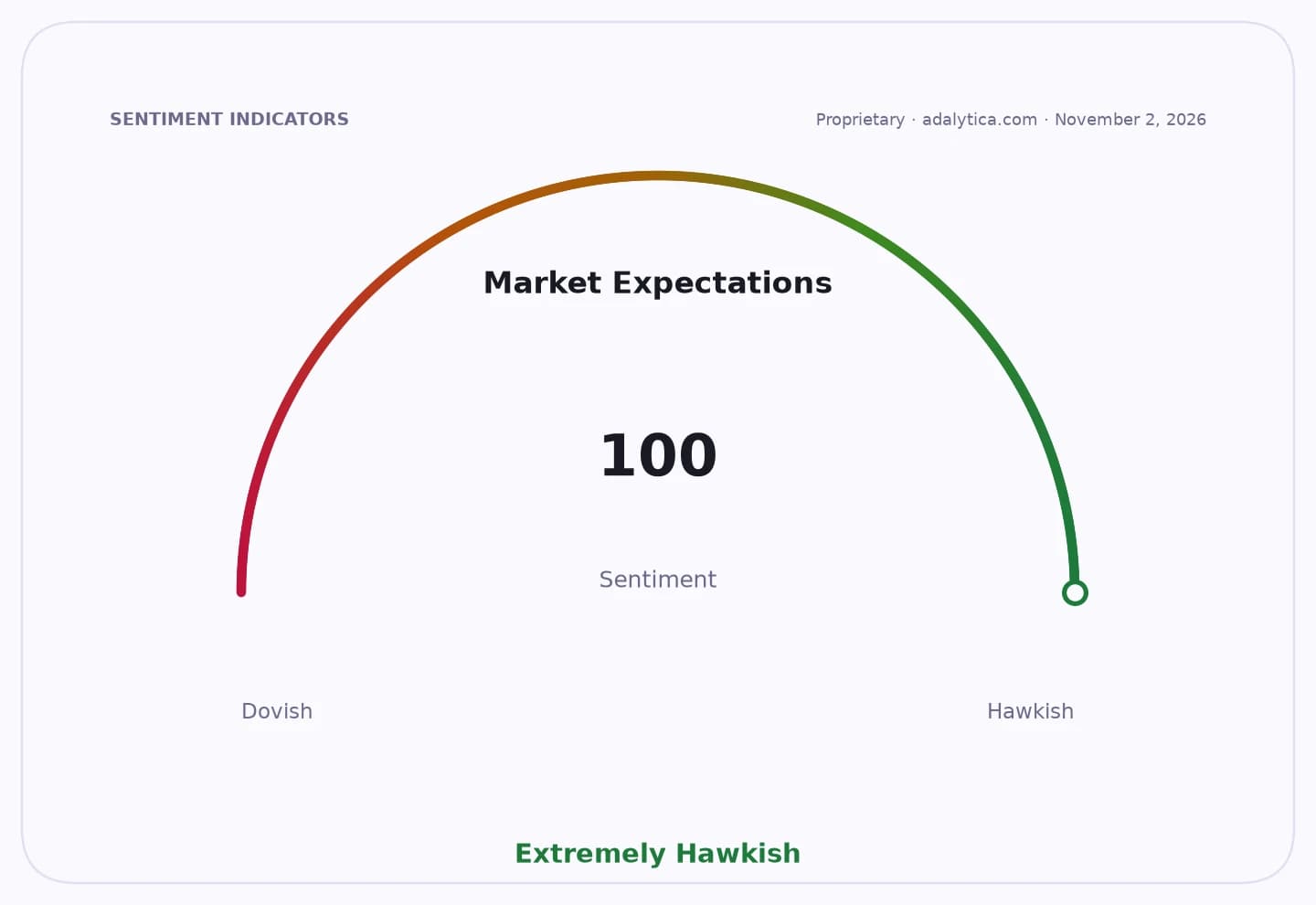
Sentiment Indicators
That composition matters because it ties public finances more closely to market funding conditions. With most liabilities concentrated in marketable bonds, the government is more exposed to changes in investor demand, domestic yields and global rates, especially if refinancing needs increase.
For investors, the main issue is not the debt level alone but the trajectory and the cost of carrying it. Rising debt can crowd out other budget priorities, narrow room for countercyclical policy and increase sensitivity to higher borrowing costs, a concern that has become more important as global bond yields remain elevated.
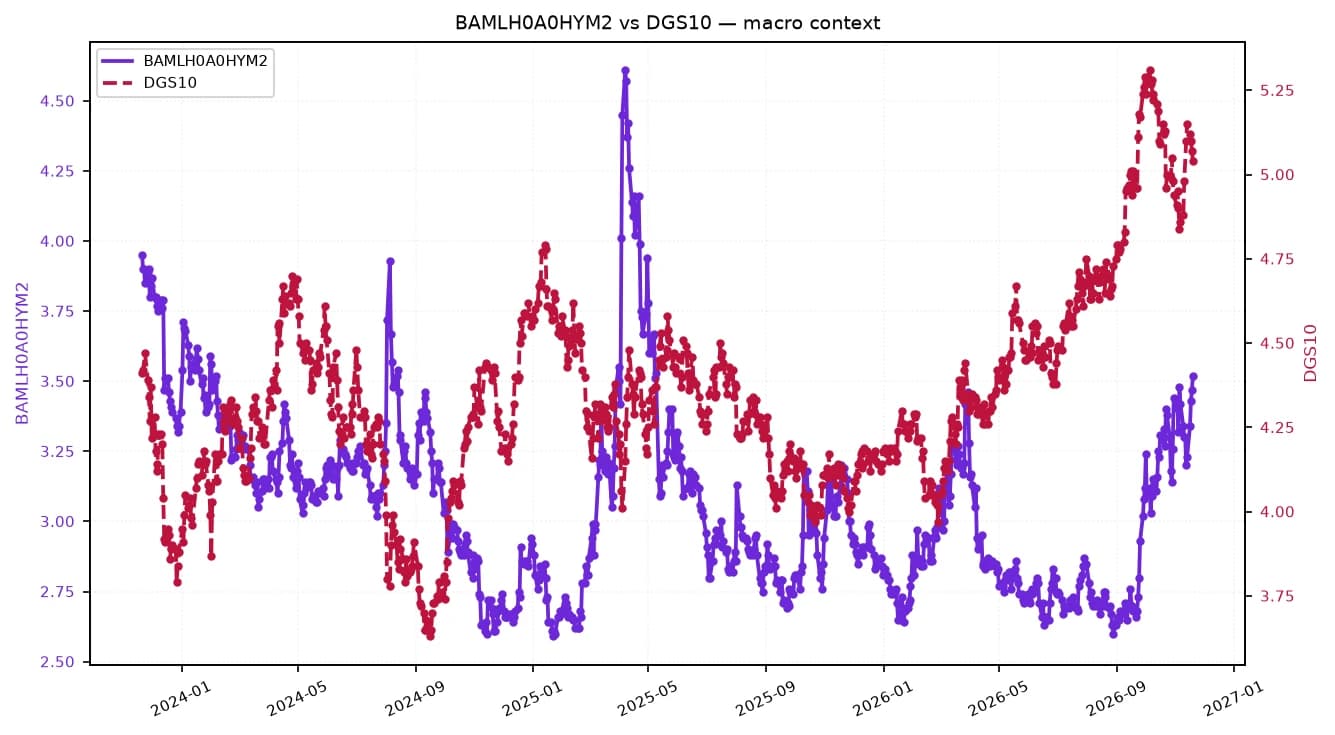
The broader market backdrop is also less forgiving for sovereign issuers. Benchmark 10-year U.S. Treasury yields were around 5.1% in the latest data, while the ICE BofA high-yield spread stayed near 320 basis points, reflecting a still-cautious fixed-income environment even as the S&P 500 has remained in risk-on territory.
Adalytica’s US Treasury Bond trade signal showed “Neutral” sentiment but “Extreme Fear” awareness, suggesting bond investors remain alert to duration risk. By contrast, the S&P 500 signal sat at “Extreme Greed,” highlighting the split between equity appetite and bond-market caution.
For Jakarta, the key question now is whether growth and revenue can keep pace with debt service costs without forcing tighter fiscal choices. The next test will be how the government manages financing needs into year-end and whether borrowing costs stay contained if market conditions turn less supportive.
| Entity | Gains | Losses |
|---|---|---|
| Indonesian government | ▲Near-term funding for spending | ▼Narrower fiscal space |
| Bond investors | ▲Supply of sovereign paper | ▼Higher duration and refinancing risk |
| Taxpayers | ▲Public services financed by debt | ▼Higher interest burden |
| Equities/risk assets | ▲Supportive risk appetite | ▼Less direct benefit from fiscal caution |