Pos Indonesia has been pushed into default territory after failing to pay about Rp1 trillion of sukuk principal and interest, a step that sharply raises refinancing risk for one of Indonesia’s state-linked issuers and underscores strain in the country’s broader corporate credit market.
Pos Indonesia Misses Sukuk Payment, Falls Into Default

Fitch downgraded the postal operator’s debt to default, making clear the missed payment is not a routine delay but a formal credit event. For investors, that distinction matters: once a name is in default, recovery expectations, restructuring terms and access to fresh funding all become immediate questions rather than longer-term concerns.
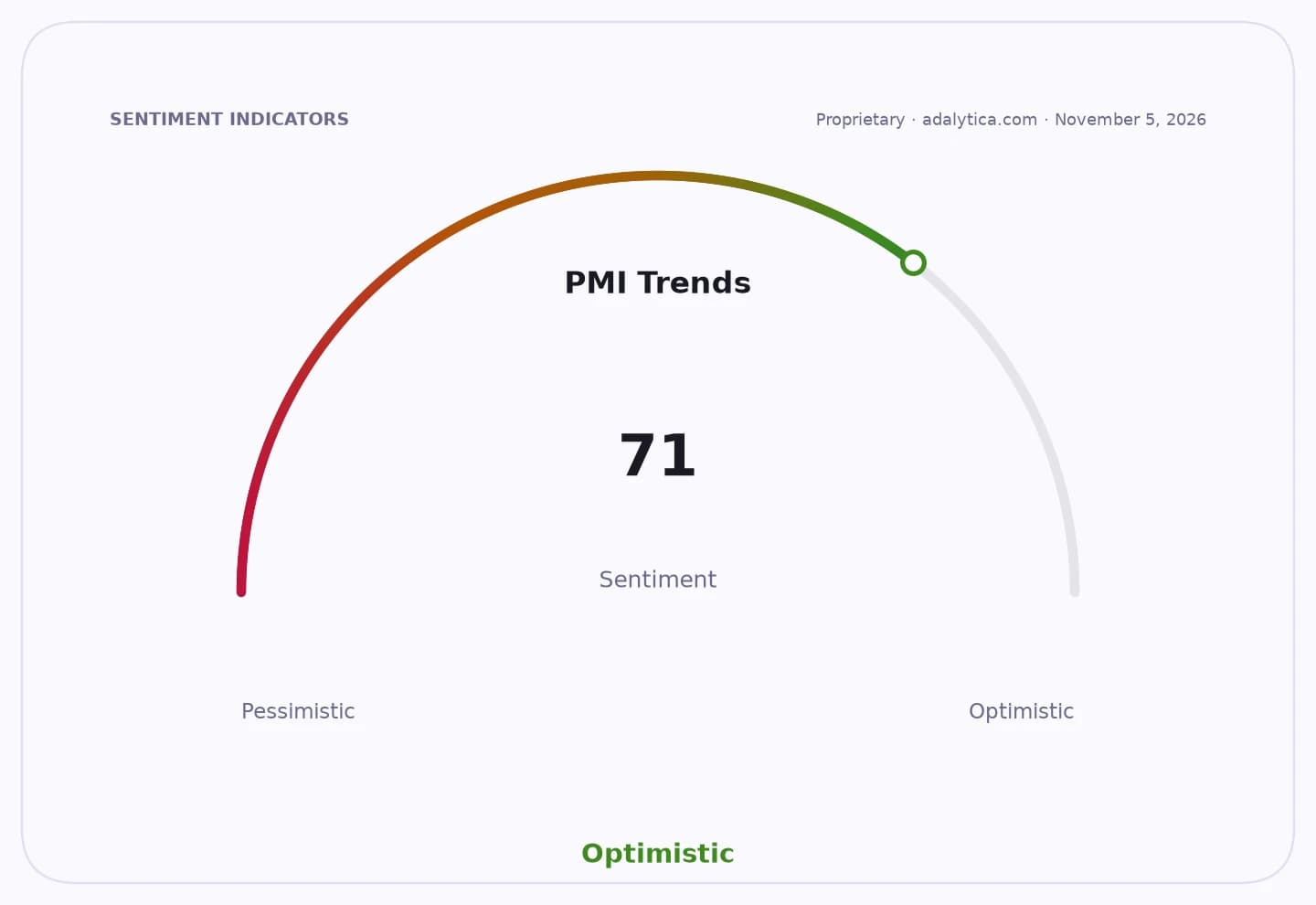
Sentiment Indicators
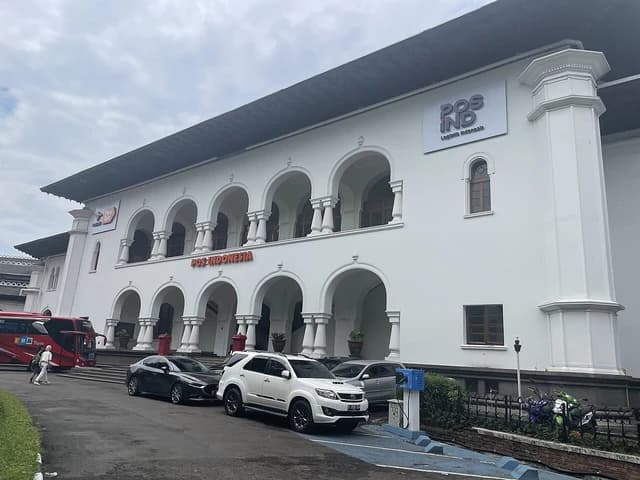
The move hits a company tied to essential public logistics and payments infrastructure, where any funding stress can quickly spill beyond bondholders into suppliers, service continuity and state support expectations. It also adds another reminder that Indonesian borrowers remain sensitive to higher funding costs and tighter credit conditions, even as the sovereign continues to attract strong demand in the sukuk market.
The contrast is stark. Indonesia’s government recently sold a $3 billion global sukuk that drew demand nearly three times the amount on offer, showing international appetite for the country’s debt remains intact. Pos Indonesia’s missed sukuk payment, by contrast, shows that investor confidence in sovereign-linked credits does not automatically extend to weaker quasi-sovereign borrowers.
Market reaction in the company’s share price has already reflected the pressure, with trading volume jumping sharply as the stock has been stuck well below its 50-day and 200-day moving averages. The latest sessions also show the stock hovering near the lower end of its Bollinger Bands, while momentum indicators remain weak, reinforcing the market’s view that default risk is now front and center.
For investors, the key question is whether the default becomes isolated or feeds a broader reassessment of state-related credits in Indonesia. The next catalyst will be any disclosure from Pos Indonesia on repayment plans, creditor talks or government involvement in a restructuring.
| Entity | Gains | Losses |
|---|---|---|
| Bondholders | ▲Default claims and restructuring leverage | ▼Payment uncertainty |
| Pos Indonesia | ▲Possible room to negotiate | ▼Credit rating, market access |
| Indonesian sovereign issuance | ▲Standalone demand remains strong | ▼Spillover scrutiny on quasi-sovereigns |
| Equity holders | ▲None | ▼Dilution and downside risk |