The scale and composition of the evidence seized in Indonesia’s corruption probe into disaster-relief spending at BNPB raise the economic stakes well beyond a single graft case, because the alleged misuse involves funds meant for emergency response and public protection.
Indonesia KPK Seizes Assets in BNPB Corruption Probe
The Corruption Eradication Commission said it confiscated assets worth about Rp5.47 billion in a sting linked to the alleged abuse of BNPB’s Dana Siap Pakai, or ready-to-use disaster funds. The haul included Rp3.35 billion in cash, $7,500 and Sg$9,000, 56 gold bars weighing 133 grams, 192 grams of gold savings, and roughly Rp1.10 billion in cryptocurrency.
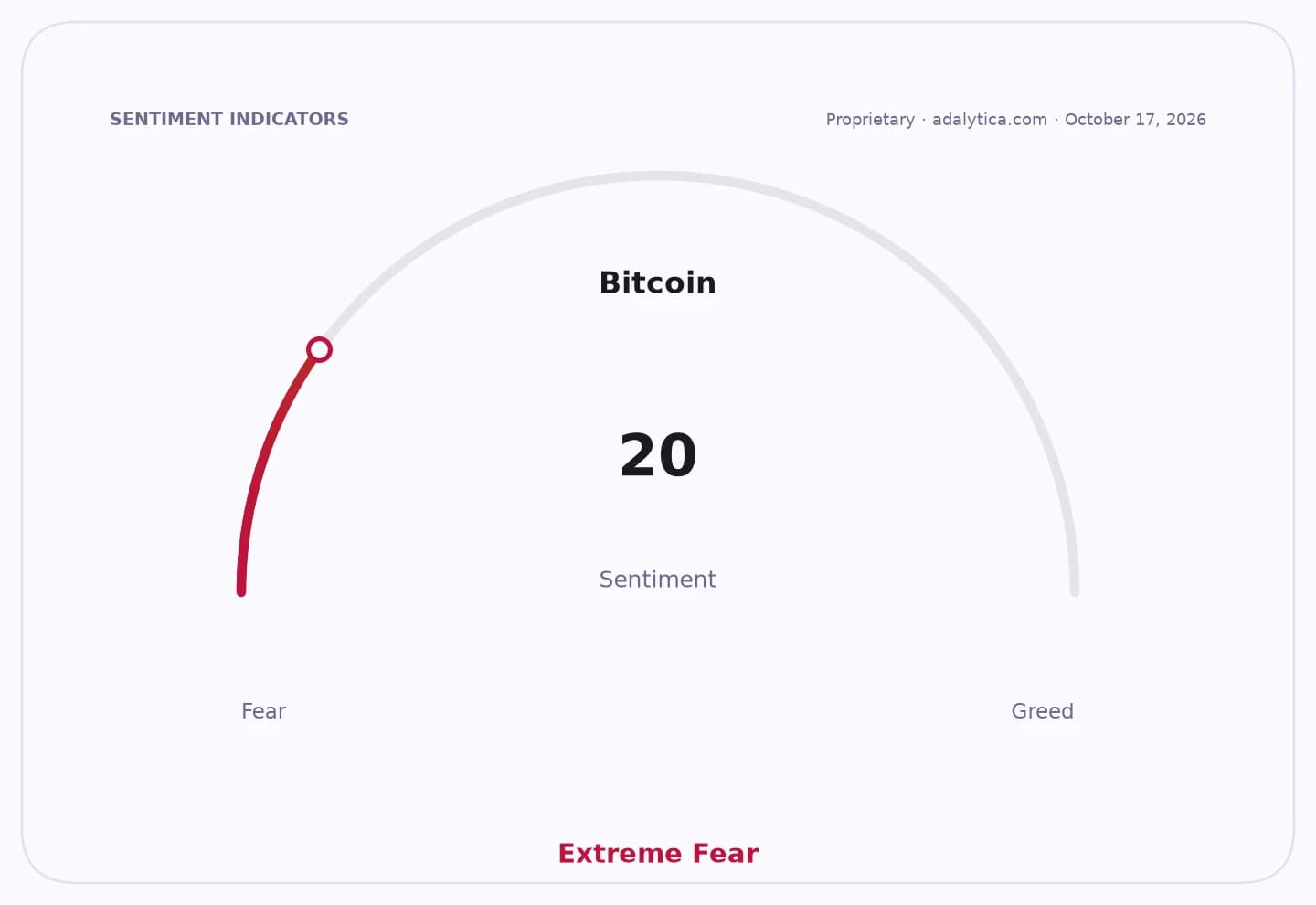
Sentiment IndicatorsⓘProprietary · adalytica.com · October 19, 2026
This is a snapshot — live sentiment, awareness and momentum for 130+ markets update continuously in the dashboard.Open AlphaPulse
That mix matters because it points to how quickly public money can be converted into portable stores of value, complicating asset recovery and broadening the challenge for investigators. Cash is easiest to move, while gold and crypto can help conceal provenance and preserve value outside the banking system. For anti-corruption authorities, that raises the cost and complexity of tracing proceeds. For investors, it is another reminder that governance risk in Indonesia is not just a political issue but a fiscal one when emergency funds are involved.
KPK said the case is tied to alleged irregularities in disaster spending for forest and land fires in Kalimantan and Papua, an earthquake in East Nusa Tenggara and floods in Aceh and Sumatra. Those are politically and economically sensitive programs because disaster relief spending is supposed to be fast, flexible and closely monitored. Any diversion of those funds can slow response times, damage public trust and force the state to spend more to achieve the same outcome.
The investigation also lands at a time when scrutiny of corruption is intensifying across institutions, keeping pressure on procurement systems, local officials and agencies handling high-discretion budgets. If prosecutors can show that ready-cash disaster funds were siphoned off through a network of cash, bullion and crypto, the case could sharpen calls for tighter controls over emergency disbursements and more aggressive asset-tracing rules.
For markets, the direct impact is limited, but the broader message is not. Persistent graft risk can weigh on policy credibility, affect budget efficiency and keep a governance discount on Indonesian assets, even as the rupiah and local risk sentiment are driven primarily by global dollar moves and domestic macro policy. The key test now is whether the case expands beyond a single sting into a wider probe of how disaster funds are allocated, monitored and audited.
| Entity | Gains | Losses |
|---|---|---|
| KPK | ▲Stronger anti-graft mandate | ▼Higher investigative burden |
| BNPB | ▲Chance to clean up controls | ▼Reputational damage |
| Indonesian state budget | ▲Possible recovery of assets | ▼Leak in disaster spending |
| Crypto and gold holders | ▲Seen as liquid stores of value | ▼Greater scrutiny over source of funds |