Rising labour unrest outside Indonesia’s parliament is increasing pressure on lawmakers to shape the Employment Bill in a way that protects workers without spooking investors already watching the country’s reform agenda.
Indonesia labour protests pressure employment bill
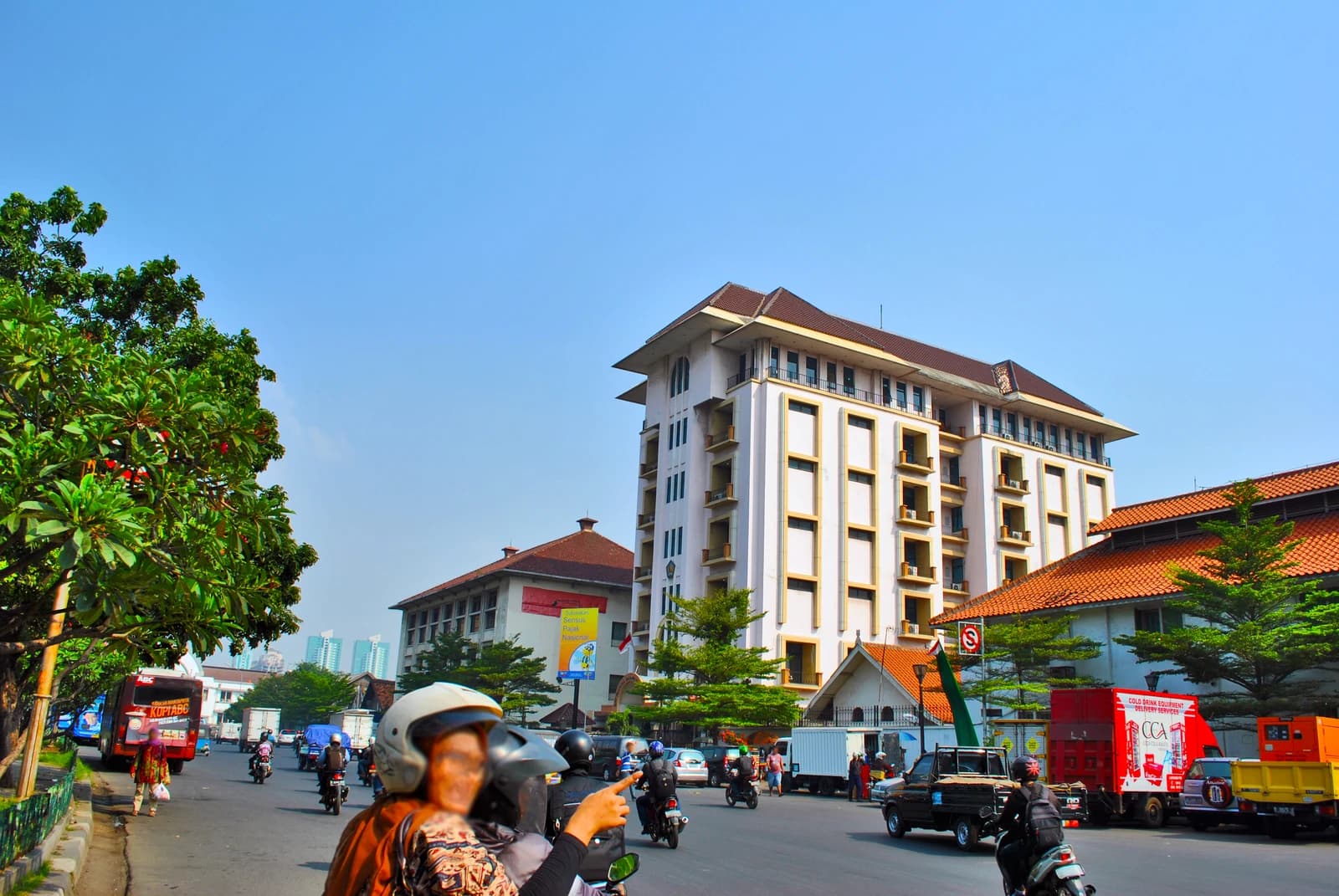
Thousands of workers from multiple unions gathered in front of the DPR/MPR complex in Jakarta on Tuesday to press legislators on the draft labour law, demanding stronger rights, better welfare provisions and more robust legal protections as the bill moves through parliament. The protest clogged Jalan Gatot Subroto and parts of the Senayan area, underscoring how politically sensitive labour policy remains in Southeast Asia’s largest economy.
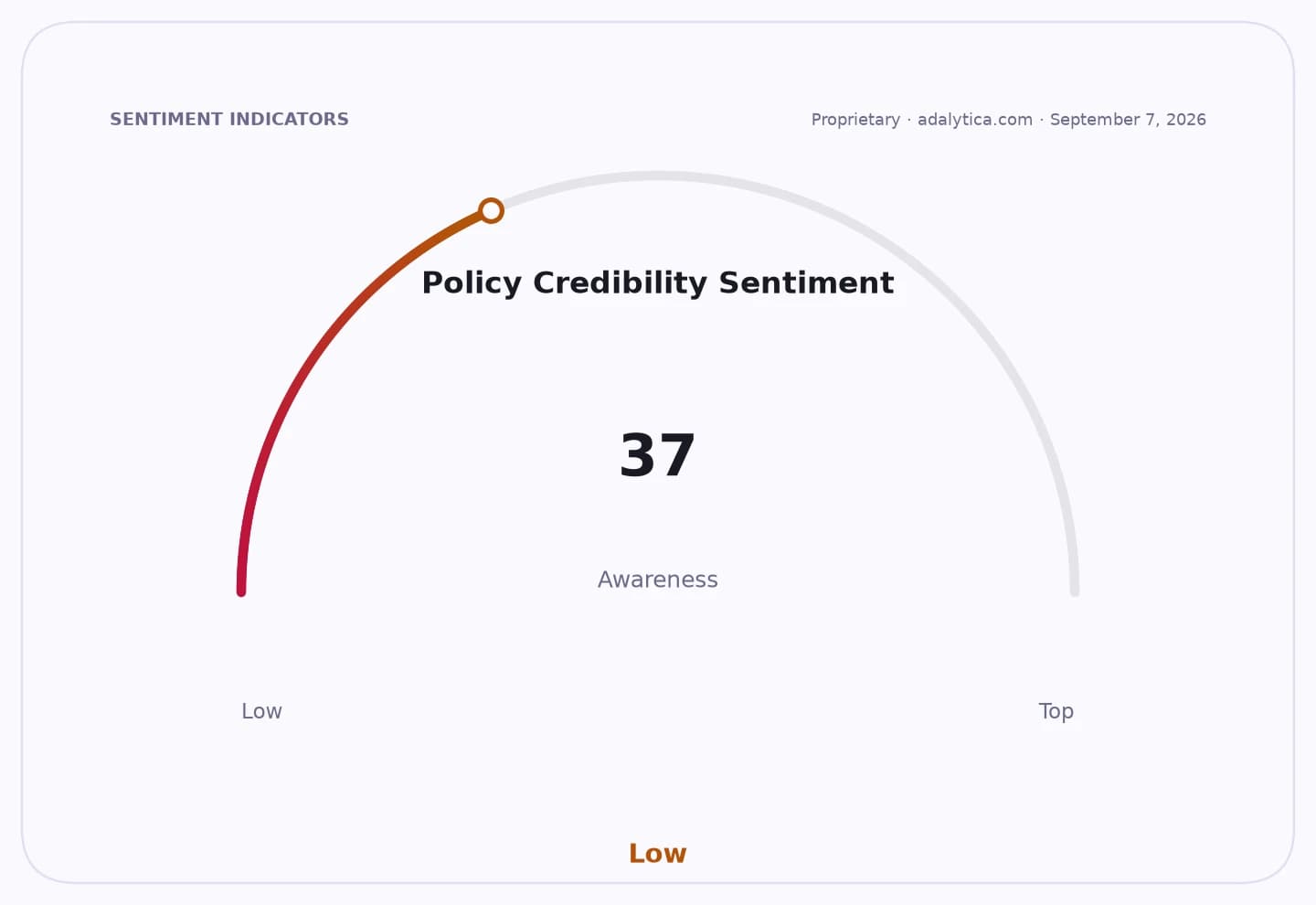
Sentiment IndicatorsⓘProprietary · adalytica.com · October 6, 2026
This is a snapshot — live sentiment, awareness and momentum for 130+ markets update continuously in the dashboard.Open AlphaPulse
The demonstration matters economically because labour rules sit at the centre of Indonesia’s competitiveness debate. Employers want flexibility on hiring, severance and compliance costs to keep the country attractive for manufacturing, resource extraction and services investment. Workers, by contrast, are pushing back against reforms they see as weakening job security and wages. Any outcome that tilts too far toward employers could fuel social resistance; any outcome that materially raises labour costs could weigh on margins and hiring.
That tension is especially relevant at a time when Indonesia is trying to sustain growth, attract foreign capital and maintain factory investment against competition from Vietnam, Thailand and India. For investors, the bill is not just a domestic political issue. It affects labour-intensive sectors, listed industrial names and the broader risk premium attached to Indonesian assets. Stable, predictable labour policy tends to support valuations; prolonged unrest or uncertainty can do the opposite.
The street protest also comes against a wider backdrop of labour activism. Indonesia’s Ministry of Labor and Employment this month expanded its blacklist of employers linked to slave labour practices, a reminder that enforcement of labour standards is tightening even as businesses seek greater flexibility. That combination suggests policymakers are trying to balance international scrutiny over worker protections with the demands of growth-oriented reform.
Market signals remain company-specific rather than broad-based, but they are still telling. Indonesia Energy Corporation’s shares have fallen to 2.77 on Oct. 6 from 4.56 in late January, with the stock trading below its 200-day moving average and an RSI reading that points to weak momentum. While the move is not directly tied to the protest, it reflects the kind of investor caution that can surface when policy visibility is low and macro headlines turn noisier.
For now, the key question is whether lawmakers can advance the bill without triggering a deeper confrontation with unions. If the draft preserves worker protections while keeping compliance manageable, the government can argue it has protected both social stability and competitiveness. If not, protests like Tuesday’s could become a recurring feature of the reform process — and a reminder that labour policy remains one of the most market-sensitive files in Jakarta.
| Entity | Gains | Losses |
|---|---|---|
| Labour unions | ▲Policy leverage | ▼Short-term disruption |
| Workers | ▲Higher protections | ▼Risk of slower reform |
| Employers | ▲Clearer rules if compromise emerges | ▼Higher labour costs if protections expand |
| Indonesian government | ▲Chance to show balance | ▼Credibility if unrest escalates |