Indonesia is tightening control over its heavily subsidized 3-kilogram LPG program by requiring distribution through village cooperatives, a move aimed at stopping resales and bringing prices closer to the government’s intended subsidy level.
Indonesia Tightens LPG Distribution Through Village Cooperatives
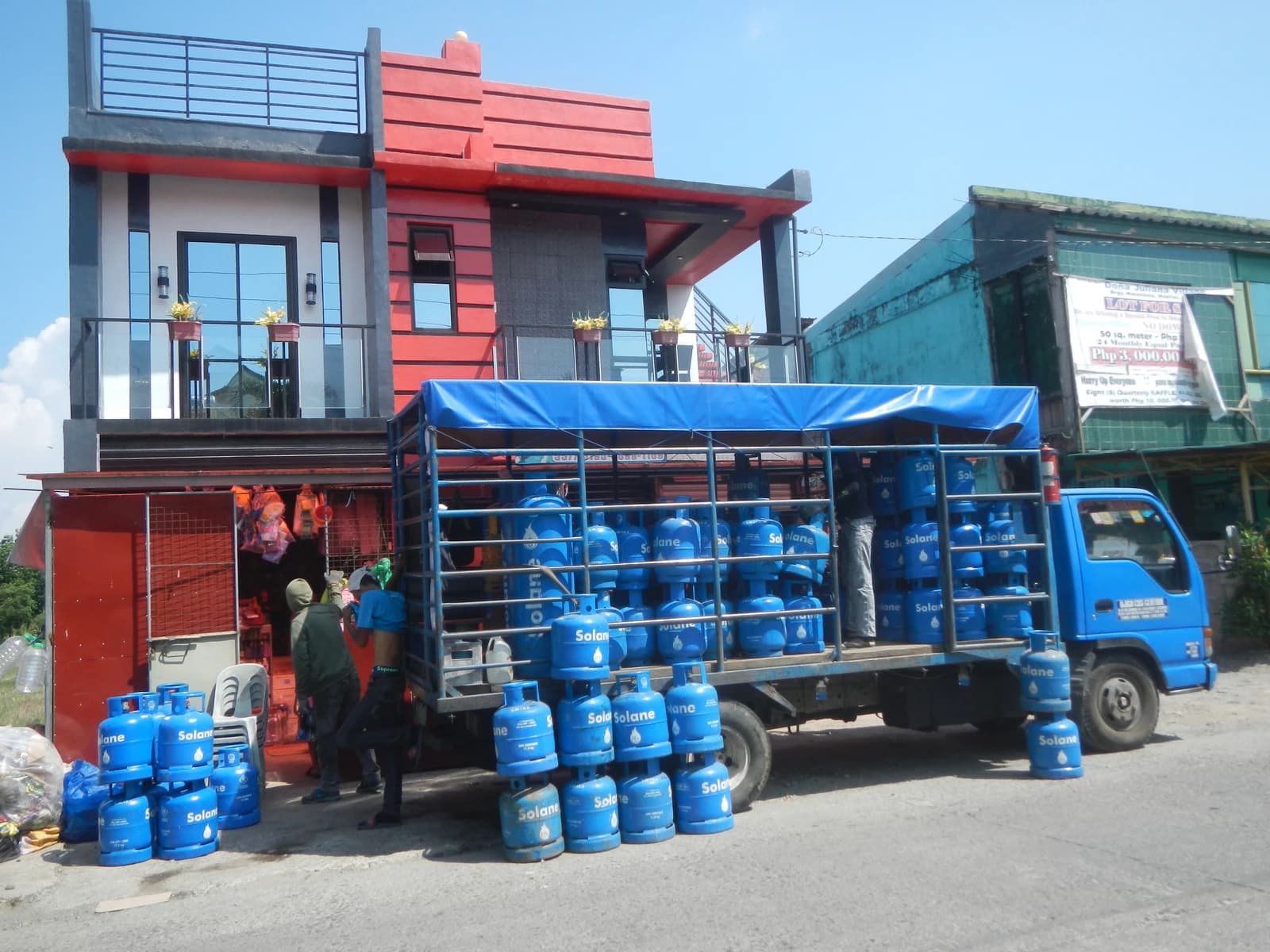
The policy matters because the gap between official and street prices is huge. Energy officials said Pertamina Patra Niaga sells the cooking gas at about Rp13,700, while households often pay Rp23,000 to Rp24,000. By pushing distribution through Kopdes Merah Putih, the government wants to keep the product moving to end users at roughly Rp16,500 to Rp18,000, rather than letting intermediaries capture the subsidy.
Sentiment Indicators
For investors, this is less about one gas cylinder than about how Indonesia manages a broad swath of state support. Authorities said the same channel could be used for other subsidized goods and aid, including food assistance, fertilizer, subsidized rice, education aid and KUR loans. If the system works, it could reduce leakage, improve data on beneficiaries and make subsidy spending more efficient — all economically important in a country where food and energy support can shape inflation, consumer spending and fiscal discipline.
The announcement also underscores a recurring theme in emerging markets: governments want more direct control over distribution without necessarily raising headline subsidy budgets. That can be good for consumers if it lowers black-market markups, but it can also squeeze informal traders and middlemen who have benefited from arbitrage in subsidized goods.
For listed energy distributors and related companies, the market impact is more indirect. Indonesia is not just trying to sell gas cheaper; it is trying to enforce who gets it. That kind of administrative reform often creates winners in formal channels and losers among leakages, but the real test will be execution at the village level, where subsidy policy often succeeds or fails.
Investors should watch whether the Kopdes network can actually prevent diversion, because if it can, Indonesia may be laying the groundwork for a more efficient subsidy state. If it cannot, the price gap between official supply and household payments will remain an open invitation for resellers. For long-term investors, the bigger takeaway is simple: better distribution can be just as important as bigger spending.
| Entity | Gains | Losses |
|---|---|---|
| Low-income households | ▲Lower LPG prices | ▼Less access if rollout stalls |
| Government/Kopdes network | ▲Better subsidy control | ▼Higher execution burden |
| Informal resellers | ▲— | ▼Lost arbitrage profits |
| Formal distributors/Pertamina | ▲Cleaner distribution channel | ▼Less pricing flexibility |