India’s LPG market is seeing its first customer decline in a decade, with gas connections falling by about 75 lakh since the start of the current financial year as tighter verification rules and repeated price increases squeeze the household fuel base.
India LPG Customer Base Falls on e-KYC and Price Hikes
That matters because LPG is not just a consumer product in India; it is a subsidized energy channel with direct fiscal, inflationary and political consequences. A drop in active connections can reduce subsidy leakage and force out duplicate or inactive accounts, but it can also expose how much demand was being held up by state support rather than underlying affordability. For investors, the story points to a broader energy transition in which LPG’s growth is slowing just as piped natural gas and other cleaner fuels gain policy backing.
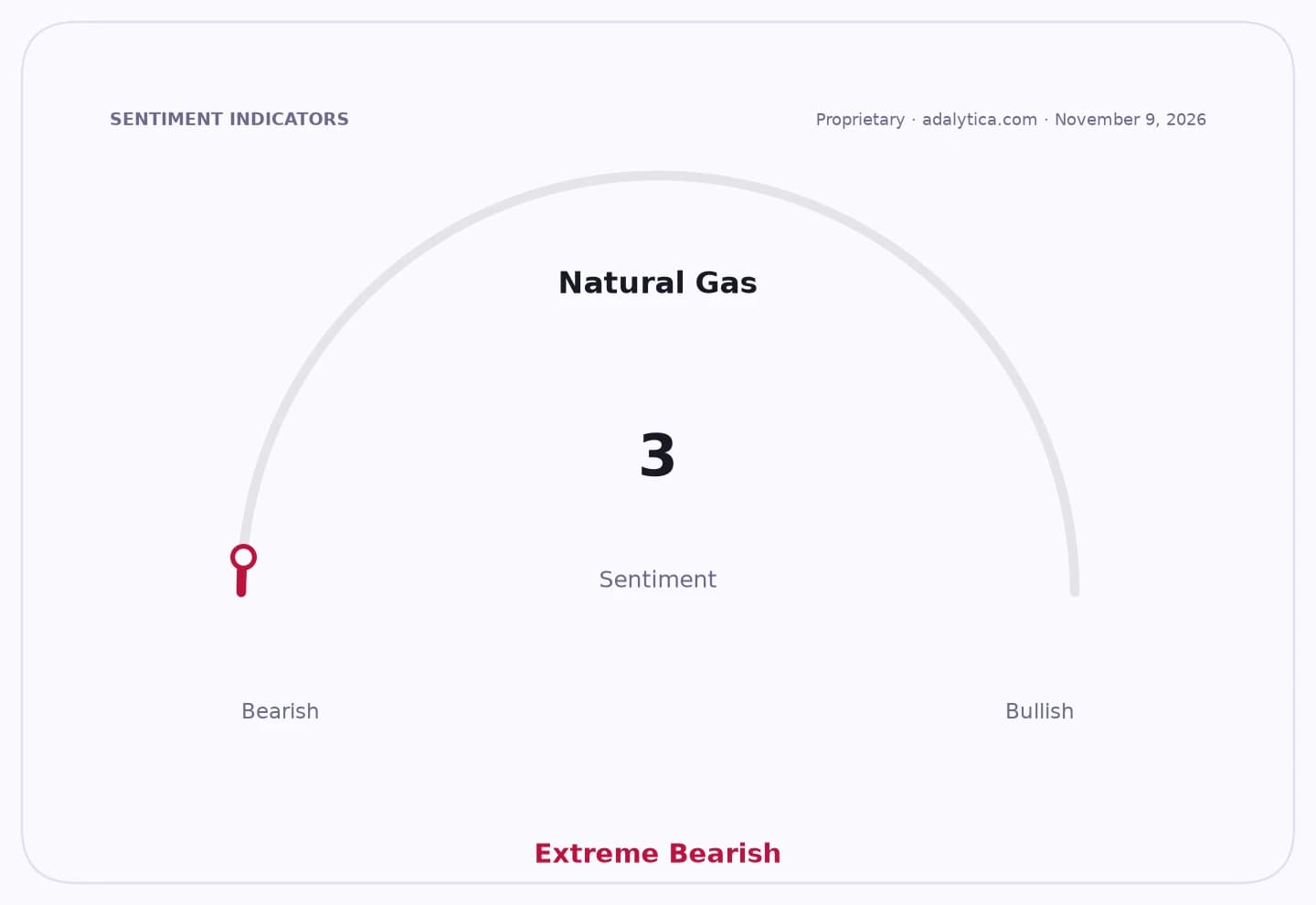
Sentiment Indicators
The immediate trigger is stricter compliance. The government has made e-KYC mandatory for domestic LPG users, and OTP-based cylinder delivery is being used to verify recipients and weed out fake or duplicate connections. According to the report, if e-KYC is not completed, subsidy access can be suspended and bookings can become difficult. That has already led to the removal of roughly 75 lakh customers from the rolls, including about 60,000 beneficiaries under the Ujjwala scheme.
The numbers are important because they suggest the decline is not a normal cyclical dip but an administrative reset. After years of expansion, India’s LPG customer base is being cleaned up in a way that could improve the quality of the network, but also reveal how large the informal and inactive base had become. Middle East tensions have added another layer of pressure by lifting global LPG supply costs, and because India imports more than half its LPG needs, domestic prices have been raised several times this year.
For investors, that combination changes the earnings and demand outlook across the value chain. Higher import costs and tighter controls can improve transparency for distributors, but they also keep pressure on consumption growth and on politically sensitive subsidy programs. The government’s push to expand piped natural gas connections is the clearest sign that policy makers want to reduce the country’s dependence on bottled LPG over time.
The market takeaway is straightforward: LPG is becoming a slower-growth, more regulated utility-like business, while PNG, gas infrastructure and companies tied to cleaner household energy look increasingly well positioned. If you want exposure to the next leg of India’s household energy buildout, this is the kind of inflection point that favors the infrastructure providers over the legacy cylinder model.
| Entity | Gains | Losses |
|---|---|---|
| LPG distributors | ▲Cleaner customer базы | ▼Volume growth |
| Government | ▲Lower subsidy leakage | ▼Political risk from higher prices |
| PNG providers | ▲Policy tailwind | ▼Less urgency if LPG remains cheap |
| Household consumers | ▲Fewer fake connections | ▼Higher cylinder costs |