Uganda’s move to curb charcoal use will fail unless households can afford a cheaper entry point into cleaner cooking, and that points straight to 1kg and 2kg liquefied petroleum gas cylinders.
Uganda Charcoal Ban Spurs Demand for Small LPG Cylinders
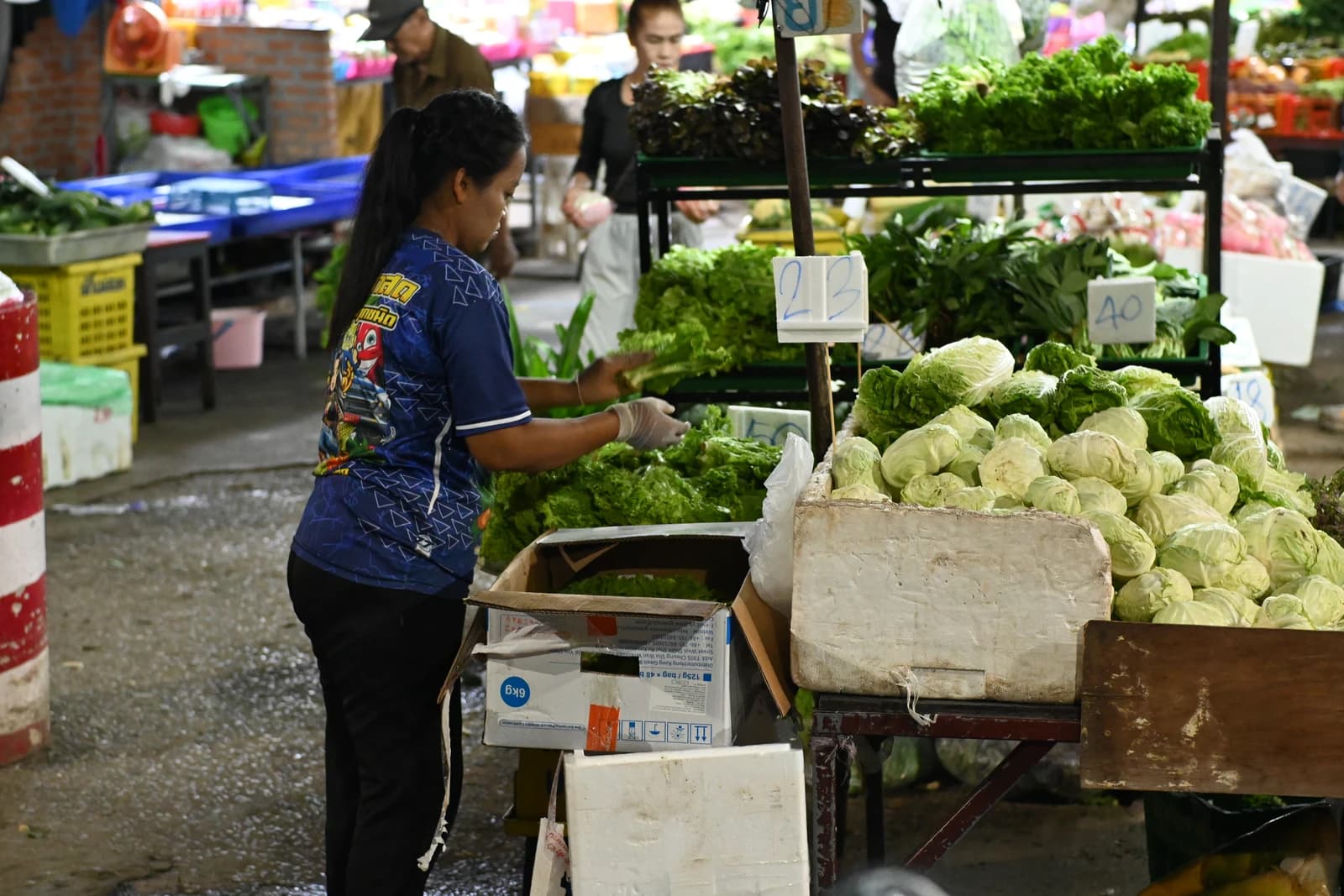
Charcoal remains the default fuel for millions of urban and peri-urban households because it matches how people actually earn and spend money: in small, irregular amounts. When the median monthly pay is about Shs 200,000, a 6kg gas cylinder that costs roughly Shs 170,000 to buy and Shs 60,000 to refill is not a substitute for charcoal — it is a luxury purchase. By contrast, households can buy charcoal for as little as Shs 1,000 at a time. That pricing gap is the real policy bottleneck, not public awareness or environmental messaging.
That is why the debate over a charcoal ban matters economically. Uganda is trying to shift households away from a fuel that drives deforestation and reinforces a dirty, inefficient energy system, but a blunt prohibition risks pushing the burden onto consumers who cannot absorb the upfront cost of larger gas cylinders. Smaller 1kg or 2kg cylinders would lower the ticket size to something closer to daily cash flow, with refills around Shs 10,000 to Shs 20,000, according to the argument being made for the policy change. In a market where many people are paid daily and buy food one meal at a time, that sort of modular pricing could unlock demand far faster than subsidies for larger canisters.
For investors, this is a distribution story, not just an energy story. If Uganda and similar markets normalize low-capex gas cylinders, the beneficiaries are likely to be cylinder manufacturers, LPG distributors, valve suppliers, transport operators and retailers that can build volume around mass-market household demand. The losers are charcoal traders, informal roadside sellers and households that keep paying the hidden tax of inefficient fuel use. The biggest opportunity sits in the picks-and-shovels layer: whoever can make LPG cheap, portable and widely available stands to gain share from a market that is still largely cash-based and underpenetrated.
The broader investment thesis is straightforward. Clean cooking in Africa will not scale on premium products designed for middle-income users; it will scale on smaller units, lower refill thresholds and dense retail networks. The market underestimates how powerful packaging and payment size can be in driving energy transition. If policymakers want to replace charcoal rather than merely restrict it, they need to support the private sector in delivering gas in the sizes households can actually afford. That is where the real inflection point is.
| Entity | Gains | Losses |
|---|---|---|
| LPG cylinder makers | ▲Higher volume demand | ▼ |
| LPG retailers/distributors | ▲Broader customer base | ▼ |
| Urban households | ▲Lower entry cost for clean fuel | ▼ |
| Charcoal traders | ▲ | ▼Falling demand |