Merchants in Bolivia’s central axis markets are reporting sharp increases in staple food prices, with sellers blaming higher diesel costs for a fresh squeeze on household budgets and a risk to inflation.
Bolivia markets report higher food prices after diesel change
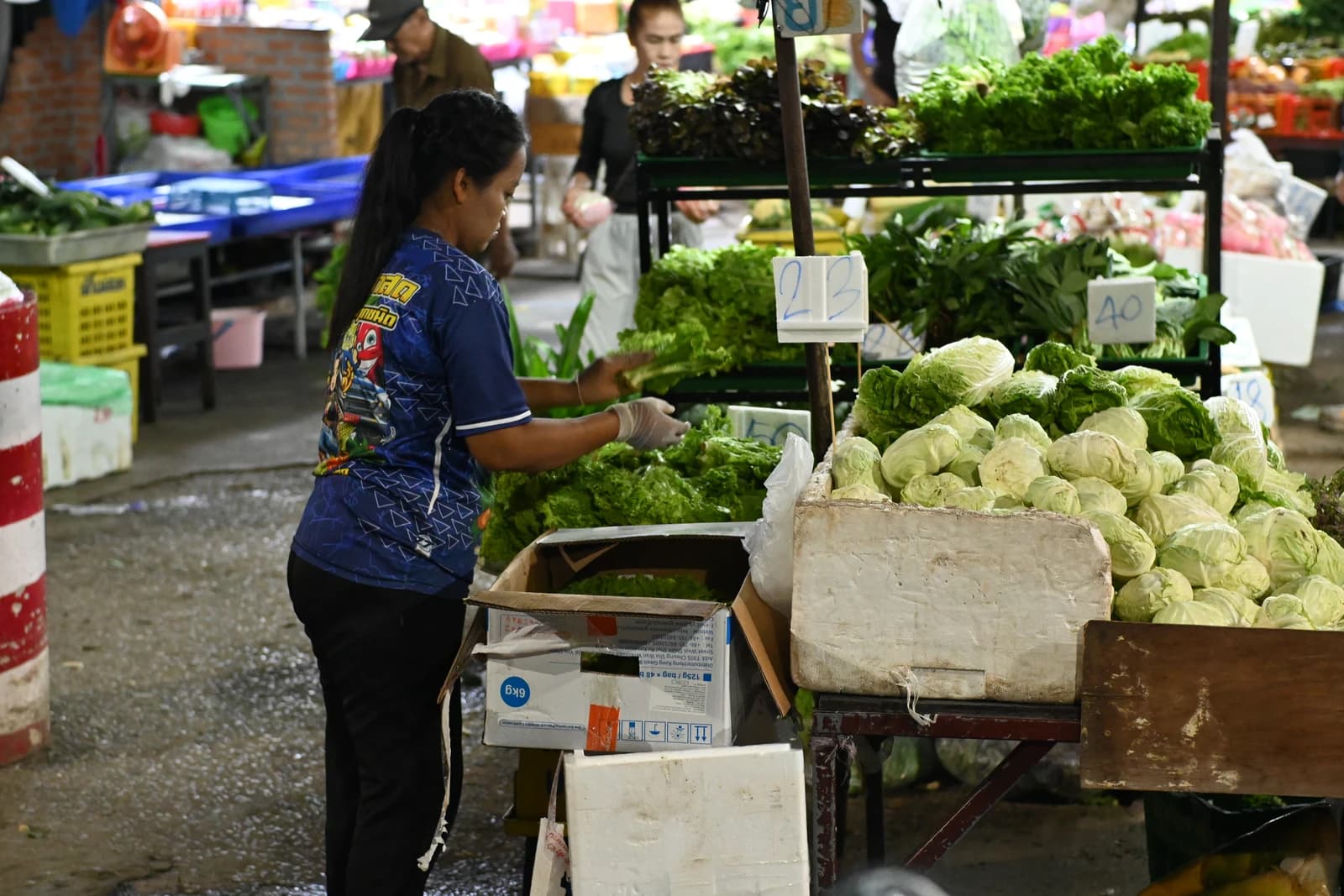
In Cochabamba’s Triangular market, vendors said the price of onions has climbed to 10 bolivianos a kilogram from 6-8 bolivianos, while tomatoes are changing hands at 30-35 bolivianos per cuartilla and peppers are selling for as much as 8 bolivianos apiece. In Santa Cruz, rice sellers said the price of a quintal has risen to 500 bolivianos from 360 bolivianos, with first-grade rice now selling at 14 bolivianos a kilo.
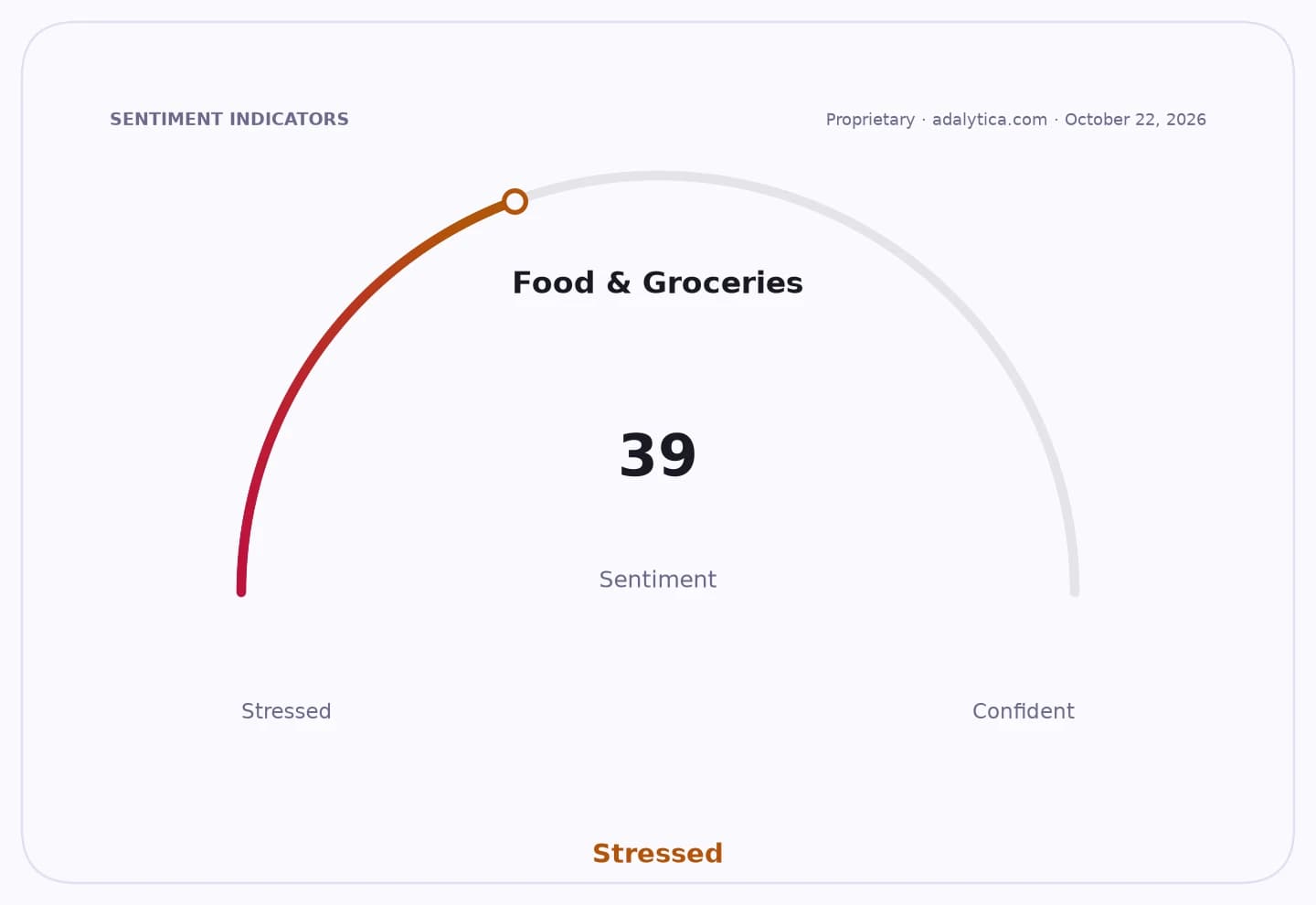
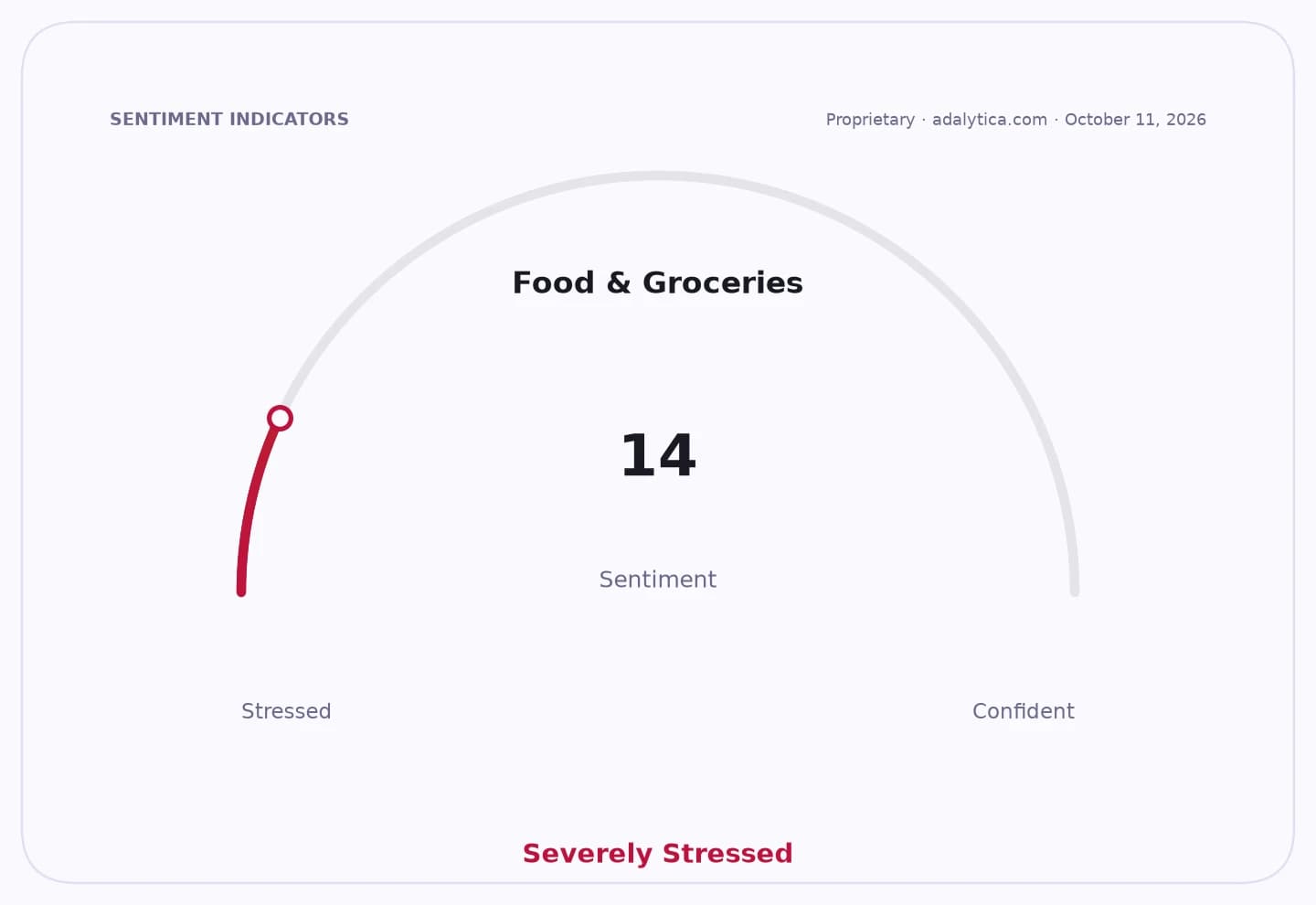
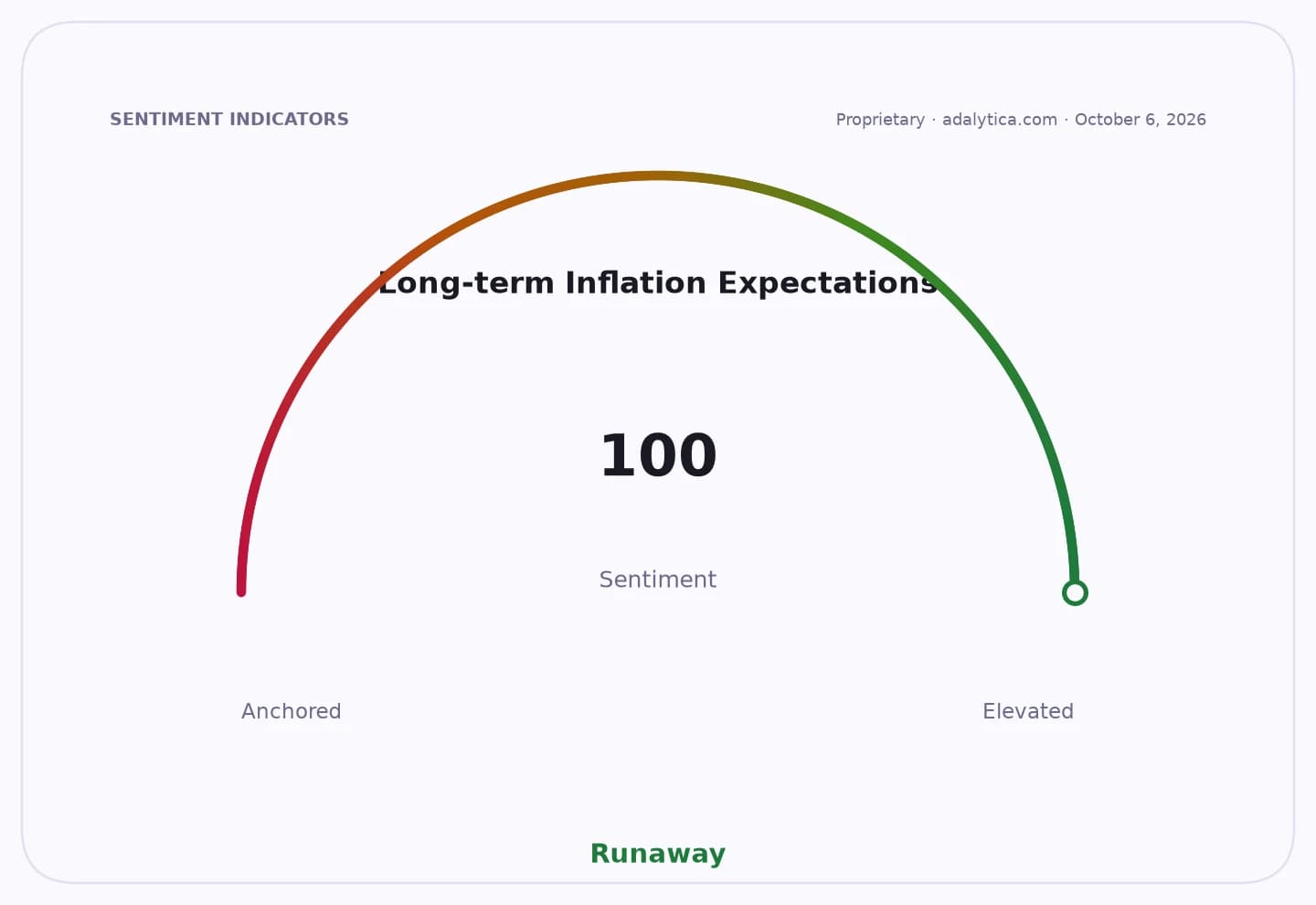
Sentiment IndicatorsⓘProprietary · adalytica.com · October 23, 2026
This is a snapshot — live sentiment, awareness and momentum for 130+ markets update continuously in the dashboard.Open AlphaPulse
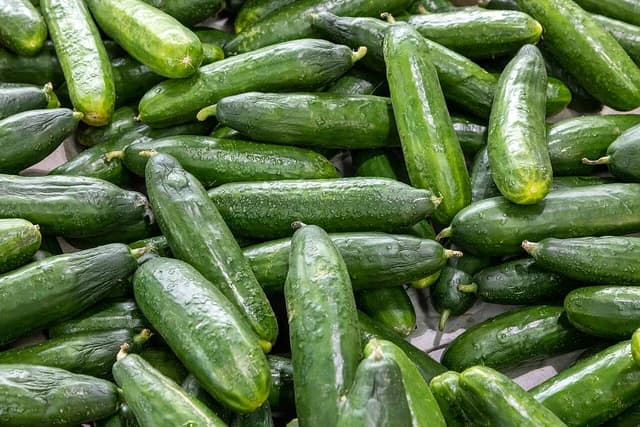
The increases matter because food is one of the fastest ways higher transport and fuel costs filter into the broader economy. When diesel becomes more expensive, farmers, wholesalers and market vendors all face higher logistics costs, and those costs typically show up first in perishables such as vegetables and then in staples like rice.
For consumers, the pressure lands directly on grocery baskets at a time when food inflation is already a global concern. For policymakers, the reports add to evidence that fuel pricing decisions can quickly ripple through domestic markets and feed social discontent, especially in urban food corridors that supply much of the country.
The merchants interviewed said the increases began after a recent diesel price change decreed by the government about a month ago. Their comments also point to a familiar inflation chain: higher input costs, tighter margins for sellers and lower purchasing power for families.
If the increase persists, it could force the government to confront more complaints from market traders and consumers over basic goods, while keeping pressure on inflation readings and household spending in Bolivia’s key population centers.
| Entity | Gains | Losses |
|---|---|---|
| Fuel suppliers | ▲Higher diesel revenue | ▼Public backlash |
| Market traders | ▲Some pass-through pricing | ▼Demand pressure |
| Consumers | ▲None | ▼Higher food bills |
| Government | ▲None | ▼Inflation and social pressure |