Nigeria’s push to expand cleaner household cooking is now running into the issue that matters most for the long term: whether the country can scale liquefied petroleum gas safely, consistently and profitably.
Nigeria LPG market shifts to safety and compliance
The Nigeria gas association’s adoption of a standard operational template is more than an industry housekeeping step. It is a sign that as LPG usage climbs, investors, regulators and operators are shifting focus from volume growth alone to the harder job of building a market that can handle that growth without accidents, product losses or reputational damage.
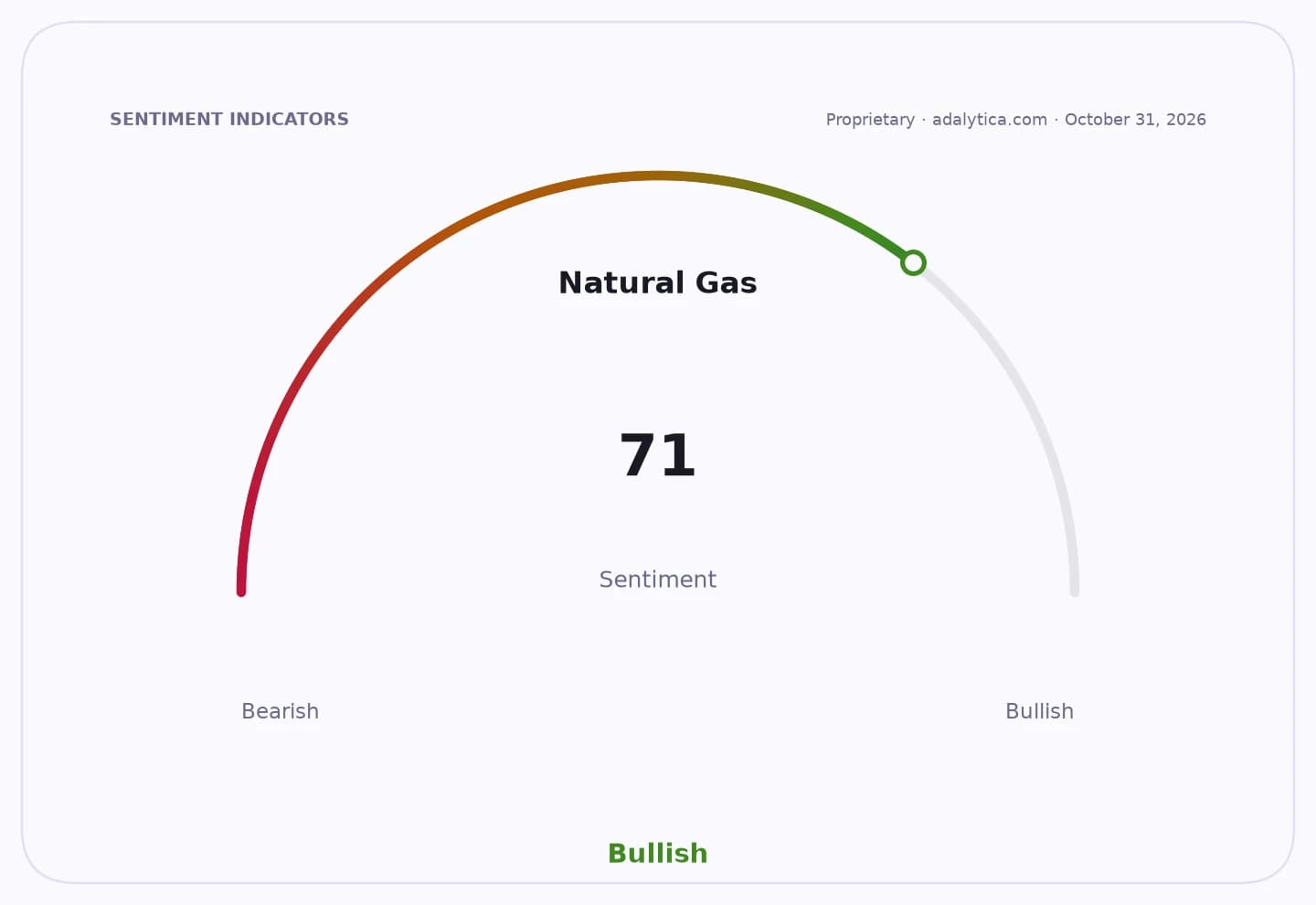
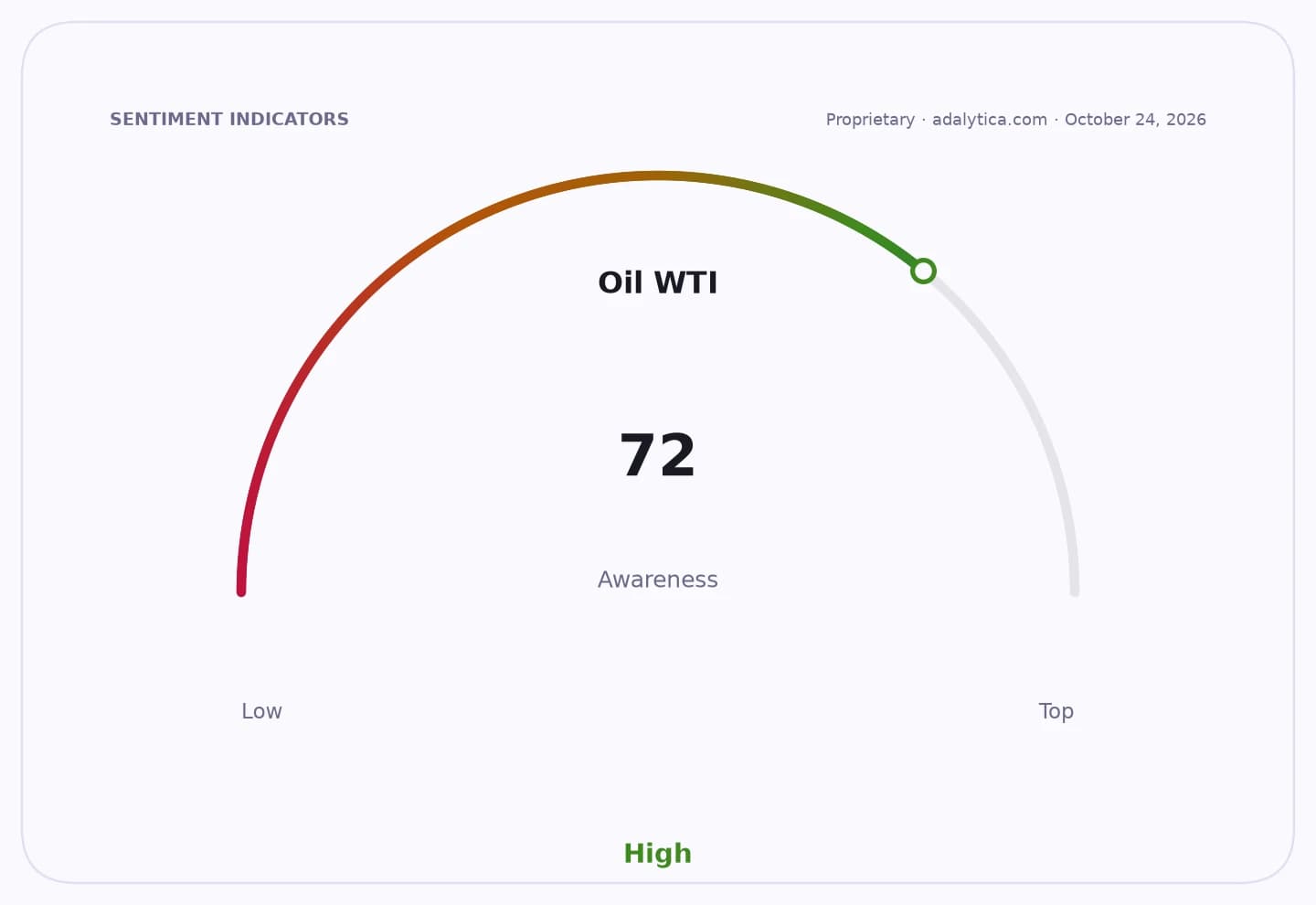
Sentiment Indicators
At the center of the plan is what the Nigerian Association of Liquefied Petroleum Gas Marketers calls a “Standard of Operational Excellence,” built on safe facilities, trained operators, compliant processes and customer protection. That matters because Nigeria is targeting roughly 5 million tonnes of LPG consumption a year by 2030, and a market that expands that quickly without tighter controls can easily destroy trust, inflate costs and slow adoption.
For investors, the message is straightforward: the opportunity in Nigeria’s gas transition is not just in selling more LPG, but in building the infrastructure and systems that make the market scalable. Compliance, in that sense, stops being a cost center and becomes a competitive moat. Companies that can reduce losses, keep cylinders traceable and avoid incidents should be better positioned to win share as the market matures.
The association’s emphasis on digital tools underscores that point. Smart filling systems, automated tank gauges, load cells, flow meters and vehicle tracking can improve accountability and shrink leakage in a sector where weak monitoring has long eroded margins. In a country where illegal decanting and unauthorized propane blending remain concerns, technology is no longer optional if operators want to protect capital and credibility.
The policy backdrop is also supportive. Government measures introduced since 2023, including import duty waivers and zero-rated value-added tax on LPG and gas cylinders, are meant to make cleaner cooking cheaper and more accessible. That creates a larger addressable market, but it also raises the stakes for safe cylinder handling, proper licensing and tighter regulatory coordination.
The bigger investment story is that Nigeria’s LPG market is moving from a simple demand-growth trade to a quality-of-growth trade. If regulators, marketers and infrastructure providers can align on standards, the sector could support a durable shift away from firewood and into modern energy use. If they cannot, growth could stall under the weight of safety failures and operational inefficiency.
For long-term investors, that makes the winners relatively clear: operators with strong compliance cultures, modern equipment and nationwide reach. The laggards are the firms relying on informal practices, weak controls and poor maintenance. In a market like this, the safest businesses may also turn out to be the most valuable.
| Entity | Gains | Losses |
|---|---|---|
| NALPGAM members with strong compliance | ▲Better trust and market share | ▼Smaller informal operators |
| Consumers and households | ▲Safer, more reliable LPG supply | ▼Users exposed to unsafe practices |
| Regulators and government | ▲Easier enforcement and oversight | ▼Operators resisting compliance costs |
| Technology providers and certified cylinder makers | ▲New demand for tracking and automation | ▼Firms tied to manual, leaky processes |