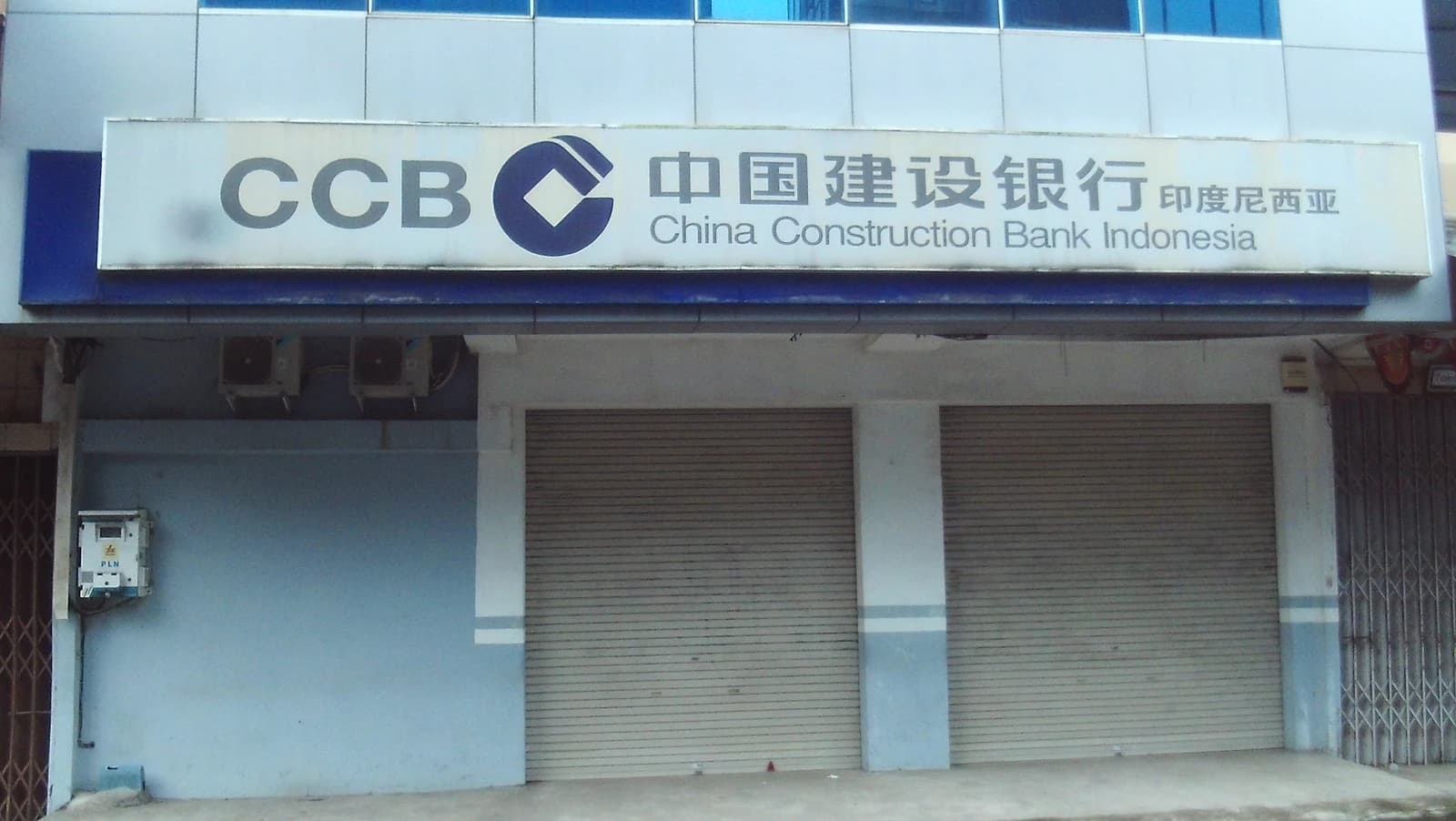
Indonesia’s decision to appoint several banks for its first panda bond marks a notable step in diversifying sovereign funding away from the dollar market and deeper into China’s capital pool, even as global borrowing costs remain elevated.
Indonesia Embraces First Panda Bond Funding
The move matters because it gives Southeast Asia’s largest economy another channel to raise foreign capital at a time when benchmark U.S. yields are still relatively high and funding conditions remain sensitive to Federal Reserve policy. The 10-year Treasury yield was around 4.53% in the latest data, with the two-year near 4.13%, underscoring that dollar funding is not cheap even after the sharp retreat from the inflation peaks of 2022. For Indonesia, a yuan-denominated bond could help broaden its investor base, match liabilities with trade and investment links to China, and reduce reliance on one currency market.
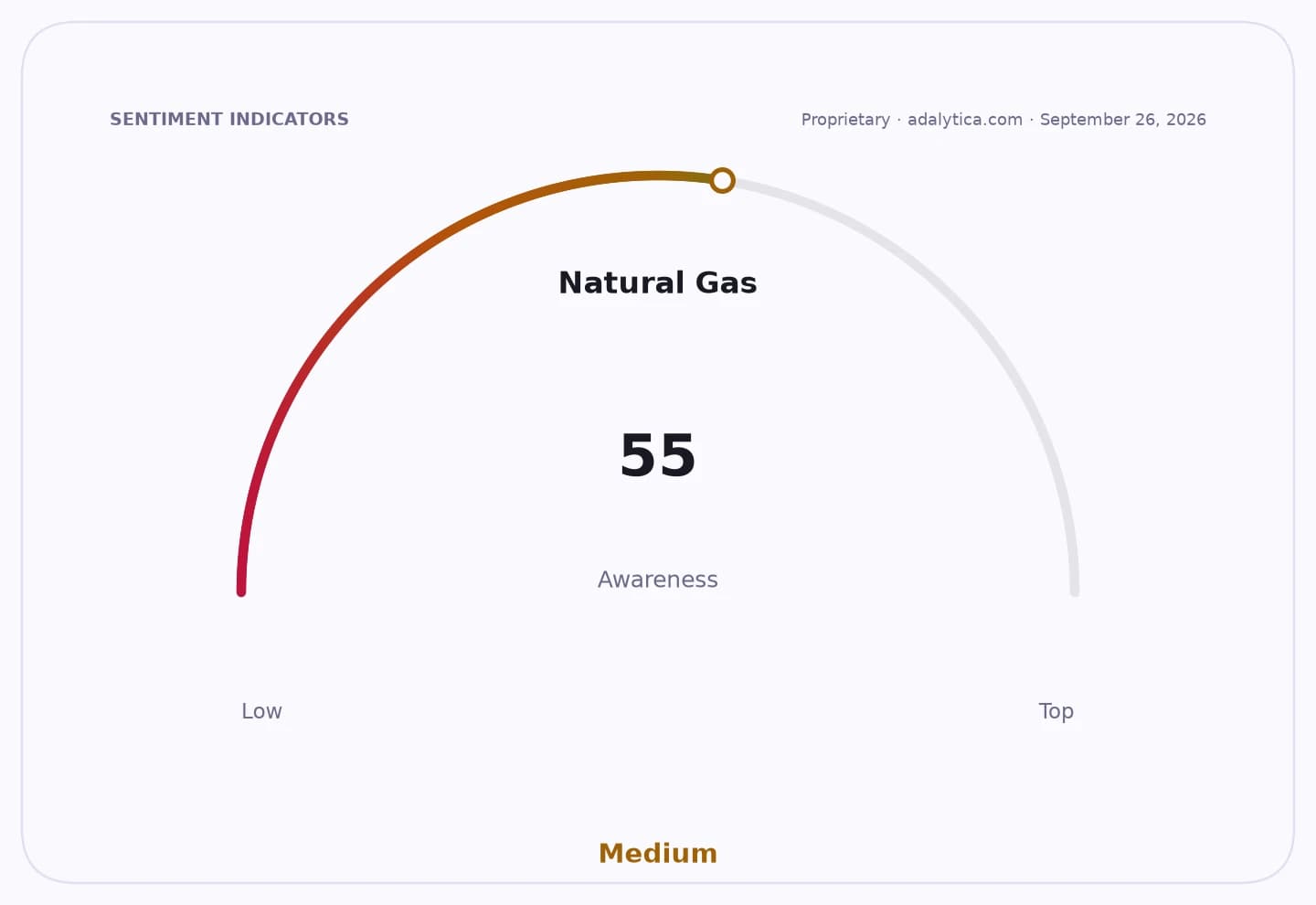
Sentiment IndicatorsⓘProprietary · adalytica.com · July 21, 2026
This is a snapshot — live sentiment, awareness and momentum for 130+ markets update continuously in the dashboard.Open AlphaPulse
Panda bonds are issued in China’s onshore market by foreign borrowers and denominated in renminbi. For sovereigns, they can be more than a financing tool: they are also a political and strategic signal, showing a willingness to tap China’s domestic savings and deepen financial ties with Beijing. That has become more relevant as emerging-market issuers look for lower-cost and more diversified funding, while China continues to promote the international use of its currency.
For investors, the implications are twofold. First, a successful sale would reinforce demand for high-quality non-Chinese yuan credit and could encourage other sovereigns and quasi-sovereigns in the region to follow. Second, it highlights an ongoing rebalancing in global fixed income, where borrowers are increasingly willing to move beyond the dollar even as the greenback remains the dominant reserve currency. Adalytica’s Chinese yuan trade signals are currently deep in fear, suggesting sentiment around the currency is weak, but sovereign issuance can still help build structural demand over time if it attracts long-only accounts and reserve managers.
Indonesia’s own markets have had to digest a more volatile external backdrop. The rupiah has been under pressure in periods of broad dollar strength, while local policymakers have sought to keep financing costs manageable and support fiscal flexibility. A panda bond offers Jakarta an additional funding lever without immediately increasing dependence on offshore dollar markets or domestic issuance.
The bull case is that the deal broadens funding sources, potentially lowers marginal borrowing costs and strengthens Indonesia’s standing with Chinese investors. The bear case is that yuan funding adds another layer of currency complexity, and appetite could prove limited if investors demand a premium for sovereign credit outside the core developed-market universe. Either way, the appointment of banks is the first sign that Indonesia intends to make the panda bond market part of its strategic financing toolkit.
What to watch next is size, tenor and pricing. If Indonesia can place the bond smoothly and at competitive spreads, it would likely validate a wider trend: emerging-market borrowers are no longer treating China’s onshore market as peripheral, but as a real alternative in an increasingly fragmented global funding landscape.
| Entity | Gains | Losses |
|---|---|---|
| Indonesia | ▲Diversified funding sources | ▼Dollar-market dependence |
| Chinese yuan market | ▲More sovereign issuance | ▼Persistent skepticism |
| Global bond investors | ▲New high-grade supply | ▼Fewer easy carry trades |
| Dollar borrowers | ▲Less crowded market | ▼Potentially weaker demand for USD debt |