Indonesia has put a hard price on its five-year second-home visa, requiring foreign applicants to show at least Rp2 billion, or about $122,000, in a personal bank account before they can settle in the country for the long term.
Indonesia second-home visa requires Rp2 billion balance
That matters because this is no longer a loose invitation to wealthy foreigners — it is a filter. By setting a minimum balance and demanding a passport with at least 36 months remaining, Indonesia is signaling that its long-stay visa program is meant for financially established applicants who can contribute capital, not just tourists looking for an extended stay. For investors, that makes the policy more than an immigration update. It is part of a broader effort by Southeast Asia’s biggest economy to attract affluent residents, deepen demand for property and services, and keep higher-value foreign spending onshore.
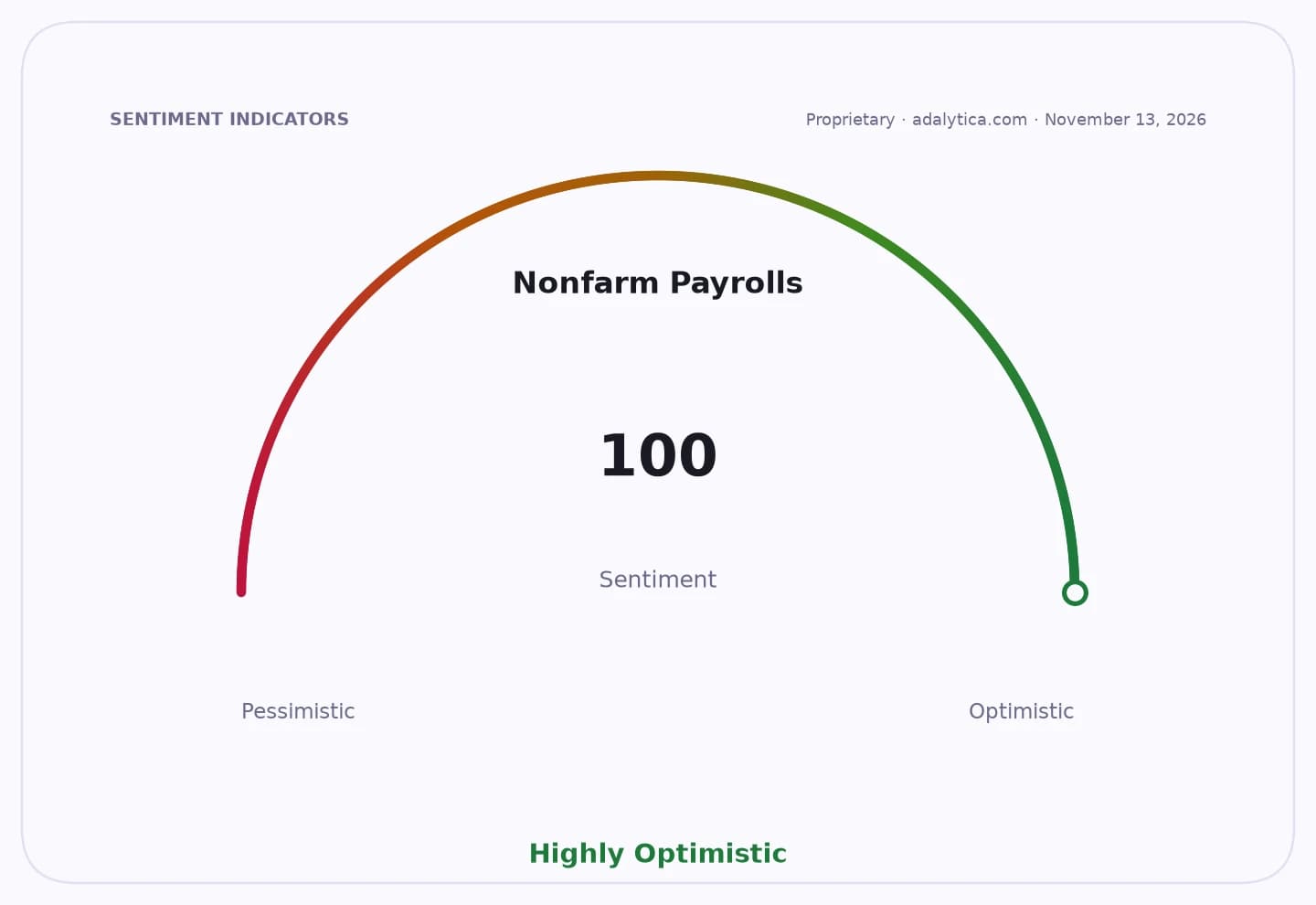
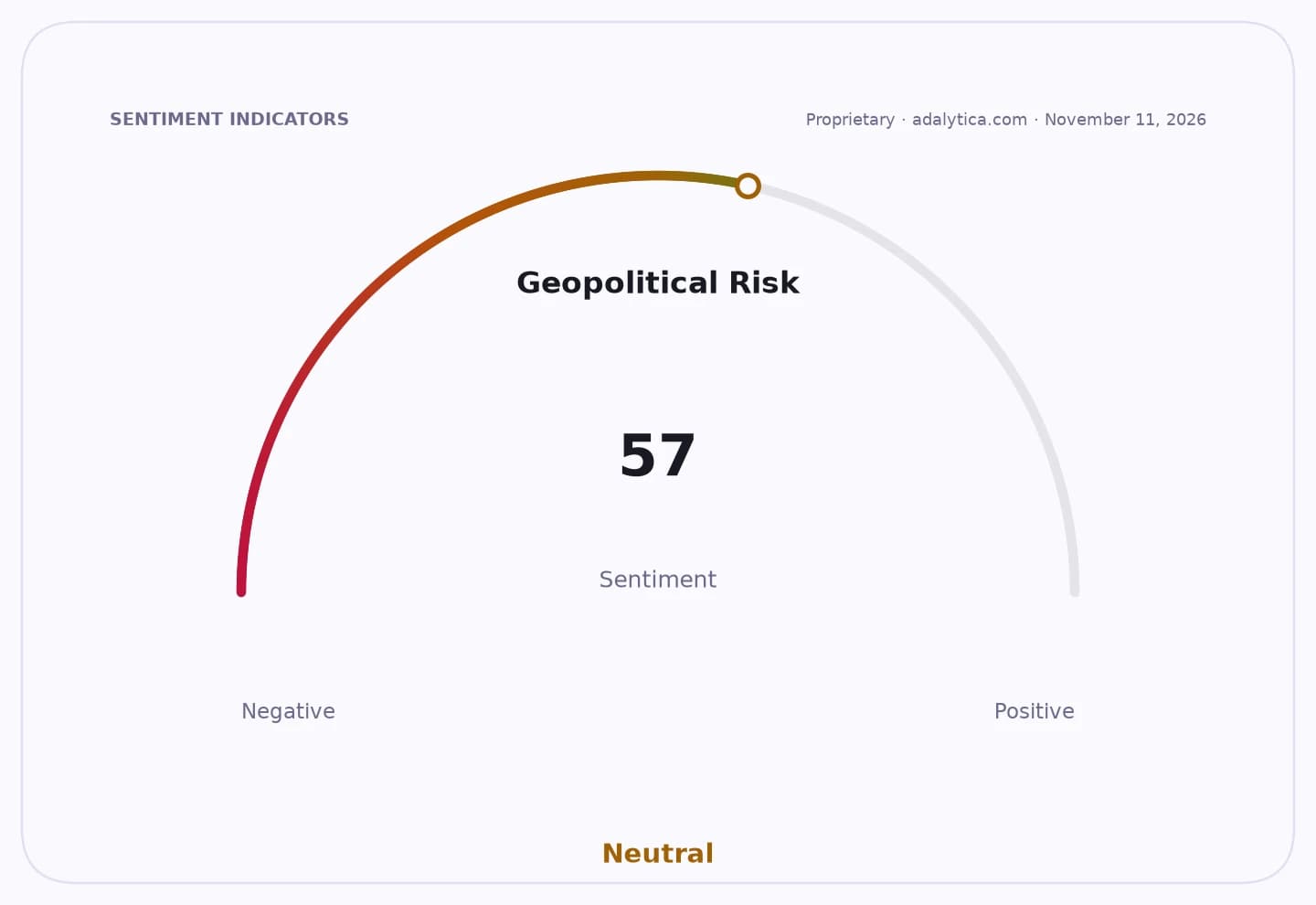
Sentiment Indicators
The new rules also extend to family members. Children or parents applying under an existing second-home visa holder must provide translated proof of relationship if the document is not in English, tightening the documentation process and making the program more formalized. In other words, Indonesia is trying to build a controlled residency lane, not an open-ended loophole.
That approach fits a global pattern. Countries are tightening visa compliance while still competing for mobile capital, and Indonesia appears to be choosing selectivity over volume. For long-term investors, that usually matters more than the headline balance requirement itself. A stricter framework can reduce abuse, improve policy credibility and make the program more durable — especially if officials want to expand it later into a broader residency or premium-investor platform.
It also hints at a growing economic ambition. Wealthy foreign residents can support demand for housing, private banking, education, travel and healthcare, all of which spill into domestic consumption. If Indonesia can pair stricter screening with a smoother approval process, the second-home visa could become one of the country’s quieter growth tools.
The catch is that the higher bar will exclude many would-be applicants, so the immediate result may be fewer approvals rather than a flood of new residents. But for investors thinking in years, not months, that may be exactly the point: Indonesia is trying to attract fewer, richer, and stickier long-term entrants. Worth watching for property, consumer and financial-services exposure tied to foreign residency trends.
| Entity | Gains | Losses |
|---|---|---|
| Indonesia | ▲Higher-quality foreign residents | ▼Lower application volume |
| Affluent foreign applicants | ▲Clear long-stay pathway | ▼Smaller pool of eligible movers |
| Property and service providers | ▲More premium demand | ▼Mass-market inflows |
| Stricter immigration regime | ▲Better compliance | ▼Easier access for applicants |