Workers in Indonesia are pushing for a 2027 minimum wage increase of 7.5% to 9.5%, a move that could lift labor costs across manufacturing, retail and services just as employers and policymakers prepare for a key wage-setting season late next year.
Indonesia workers seek 2027 minimum wage hike

The proposal from the Indonesian Trade Union Confederation, or KSPI, matters because minimum wage decisions feed directly into household purchasing power, corporate margins and hiring plans in Southeast Asia’s largest economy. KSPI said its demand is based on a formula that combines national inflation, economic growth and an “index” of 0.9 under government rules, giving it a calculated nationwide increase of about 7.7%.
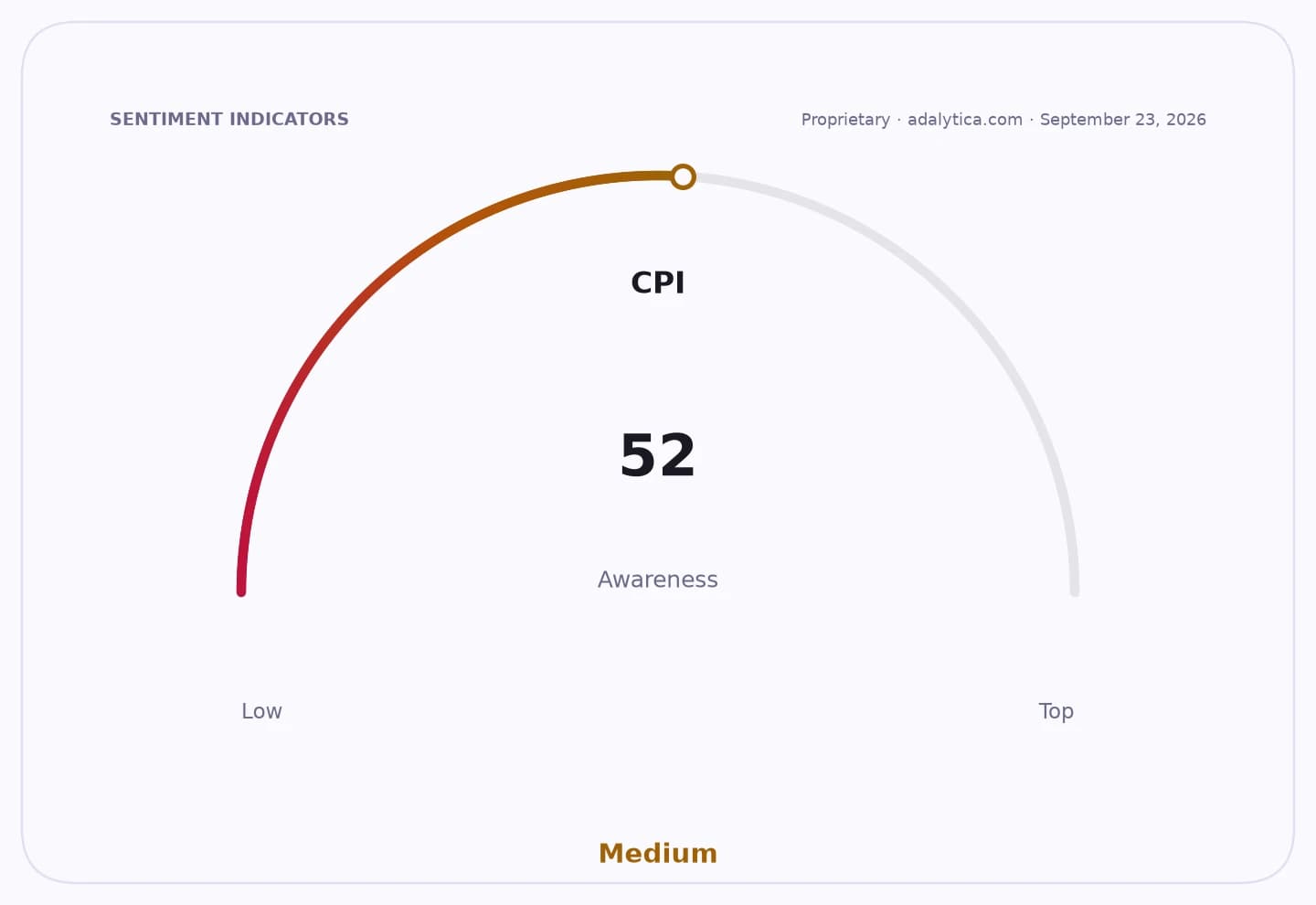
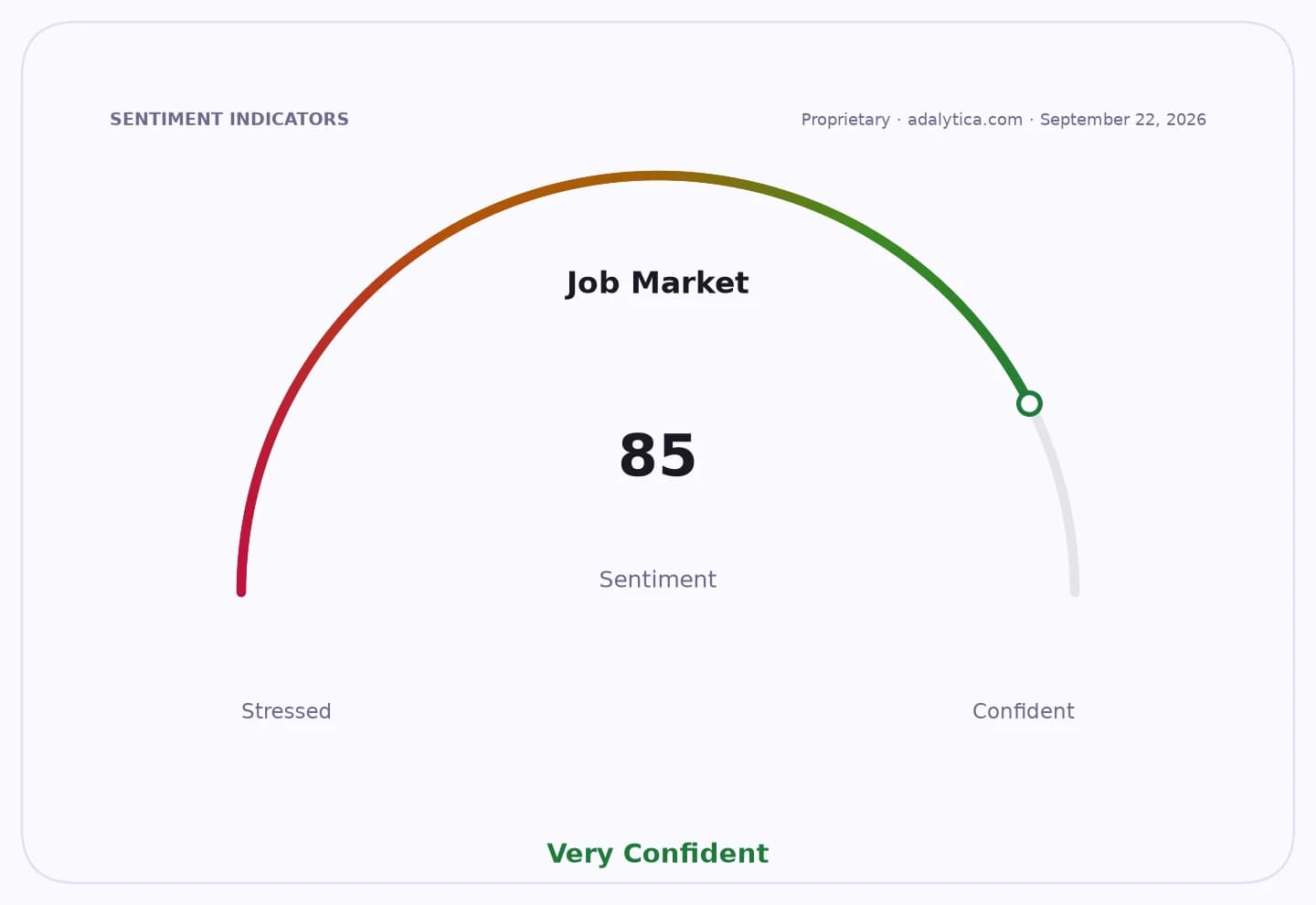
Sentiment IndicatorsⓘProprietary · adalytica.com · September 17, 2026
This is a snapshot — live sentiment, awareness and momentum for 130+ markets update continuously in the dashboard.Open AlphaPulse
KSPI president Said Iqbal said the union will press the case through wage boards and “constitutional channels” ahead of formal setting dates of Nov. 1, 2026 for provincial minimum wages and Nov. 10, 2026 for district and sectoral pay. He said the group is not seeking one uniform figure because inflation and growth vary widely by region, with places such as West Java and North Maluku facing different economic conditions.
Using official data through August 2026, KSPI said average national inflation was 3.20% and average economic growth 5.43% for the October 2025-August 2026 period, which, together with the 0.9 index, produces the 7.7% benchmark. The lower end of the union’s proposal, 7.5%, is broadly aligned with that calculation, while the upper end reflects stronger regional economies and sector-specific bargaining power.
For investors, the issue is less about the headline number than the ripple effects. Higher minimum wages can support consumption in a country where wages are a major driver of spending, but they can also squeeze margins for labor-intensive businesses, particularly exporters, domestic retailers and consumer-facing firms. Any sharper increase would also raise the pressure on companies already navigating slower hiring and tighter cost controls.
The debate comes as wage policy remains politically sensitive and economically consequential. Unions are arguing for a formula-based increase at a time when living costs remain elevated, while employers are likely to resist a jump that could outpace productivity in weaker regions.
The next catalyst is the formal wage-setting process in late 2026, when provincial and district governments will turn the current union push into binding decisions that will shape payrolls, household income and profit outlooks for 2027.
| Entity | Gains | Losses |
|---|---|---|
| Workers/KSPI | ▲Higher take-home pay | ▼None if resisted |
| Employers | ▲Predictable wage formula | ▼Higher labor costs |
| Consumers | ▲Stronger spending power | ▼Higher prices if passed through |
| Exporters/low-margin retailers | ▲Wage certainty if increases stay near 7.5% | ▼Margin pressure if hikes approach 9.5% |