Intel’s stock surge has turned the government’s newly acquired stake into a paper gain of roughly $70 billion in eight months, a political talking point that underscores how much of the chipmaker’s recent value has been driven by an AI-fueled rerating rather than steady operating performance.
Intel Rally Tests AI Turnaround and Policy Backing
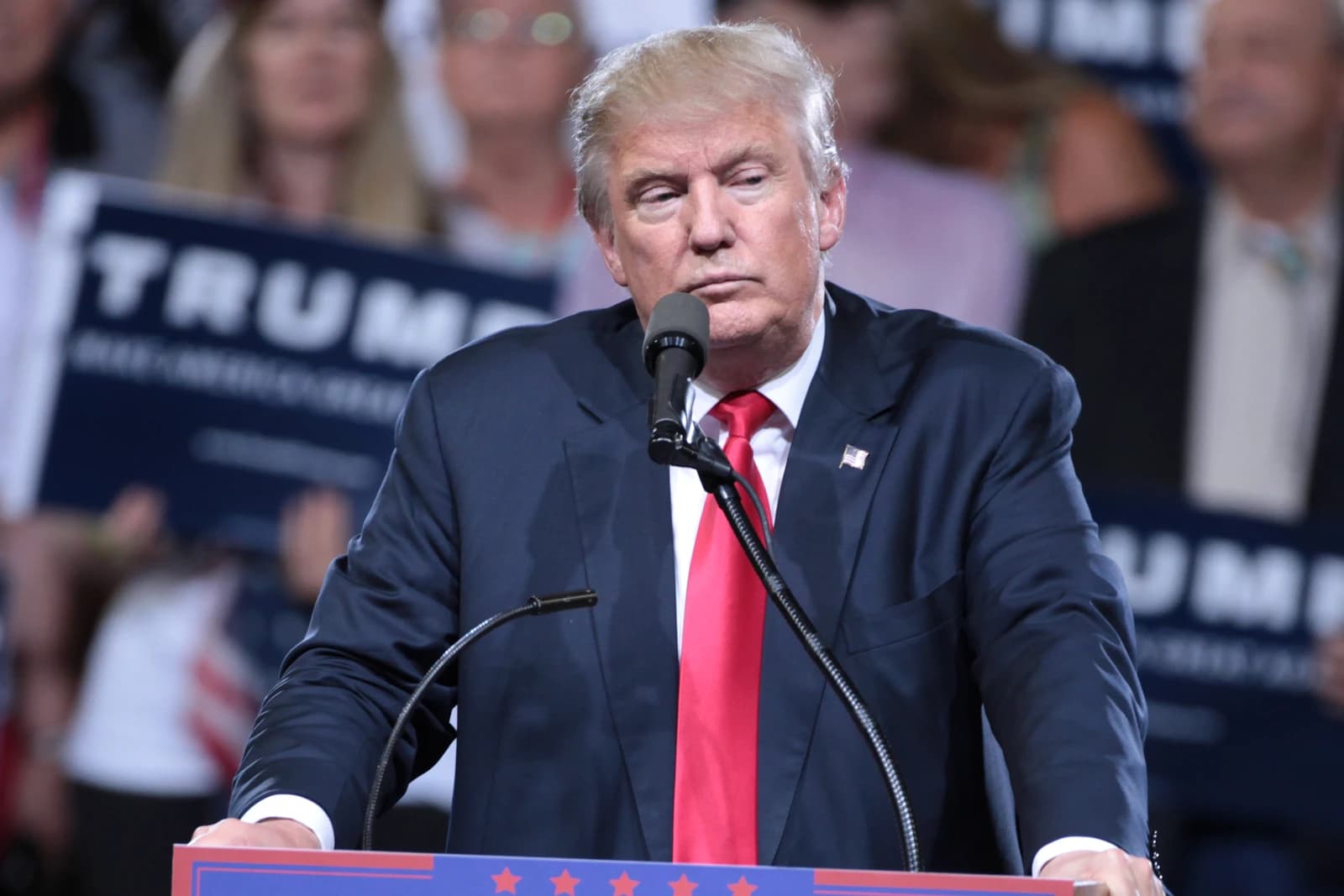
That matters because the move ties Washington directly to one of the market’s hottest semiconductor names, raising the stakes for taxpayers, competitors and investors at a moment when AI infrastructure spending is reshaping the chip sector. For Intel shareholders, the implied windfall shows how quickly sentiment can swing when policy, public ownership and the AI trade collide.
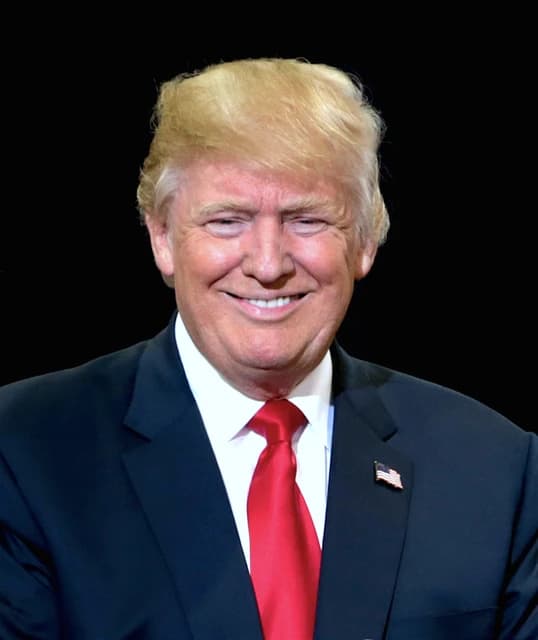
Trump said the government’s Intel position had appreciated by $70 billion and added, “Do I get credit for that? No,” framing the gains as evidence that the administration’s bet on domestic chip manufacturing is paying off. The remark comes as Intel’s shares remain extremely volatile, with conventional technical indicators showing the stock recently well above its 50-day average before a sharp pullback to $92.32 on July 24 from a recent peak near $140.
Intel’s latest results helped fuel the rally. The company said second-quarter revenue jumped at its fastest pace since 2011 and issued a stronger-than-expected forecast, driven by demand for AI-related server chips and broader data-center spending. The stock initially ripped higher on the report, lifting optimism that Intel can claw back share in a market long dominated by Nvidia and other AI leaders.
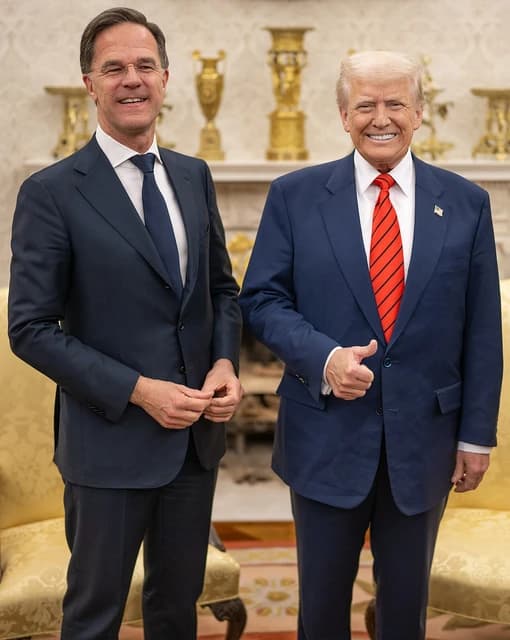
The market, though, has already started to question how much of that surge is sustainable. Intel’s price has swung violently over the past few weeks, and the latest drop has taken the shares well below their 50-day moving average, suggesting traders are still digesting whether the valuation jump reflects a durable turnaround or a policy-driven burst of enthusiasm.
For investors, the bigger story is not just Intel’s earnings beat but the precedent of government ownership in a strategic U.S. technology company. A large federal stake can support domestic production goals and signal political backing for semiconductors, but it also raises questions about governance, capital allocation and what happens if the trade unwinds.
The next catalyst is whether Intel can keep converting AI demand into sustained revenue and margin improvement without relying on political support or market momentum. If the growth slows, the same stake that looks like a windfall now could become a liability for both Washington and Wall Street.
| Entity | Gains | Losses |
|---|---|---|
| U.S. government | ▲Large paper profit | ▼Exposure if Intel falls |
| Intel shareholders | ▲AI-driven rerating | ▼Recent volatility |
| Trump administration | ▲Policy bragging rights | ▼Criticism over state ownership |
| Rival chipmakers | ▲Validation of sector spending | ▼Intel catching up in AI chips |