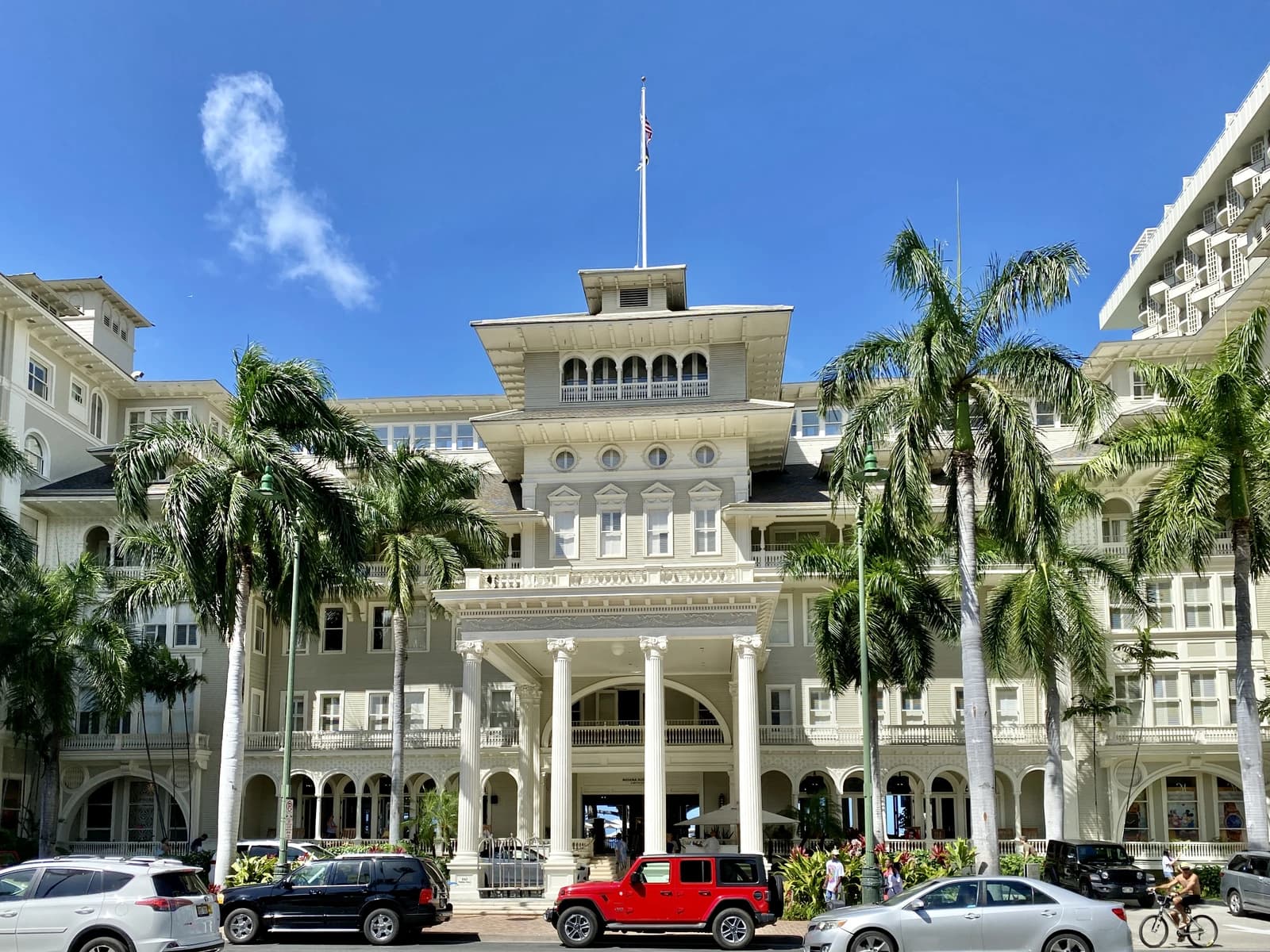
IOI Properties is moving closer to carving out a $1.8 billion real estate investment trust backed by six Marriott-branded hotels, a deal that would convert a portfolio of mature hospitality assets into a separate, yield-focused vehicle and give the Malaysian developer a potentially significant source of capital.
IOI Properties Plans $1.8 Billion Marriott REIT

The proposed listing matters because it comes at a time when hotel owners across Asia are trying to unlock value from high-quality, branded assets without taking on more balance-sheet risk. By packaging six Marriott hotels into a REIT, IOI could raise capital, recycle proceeds into development or debt reduction, and retain exposure to a sector that benefits from recovering travel demand and brand-driven pricing power.
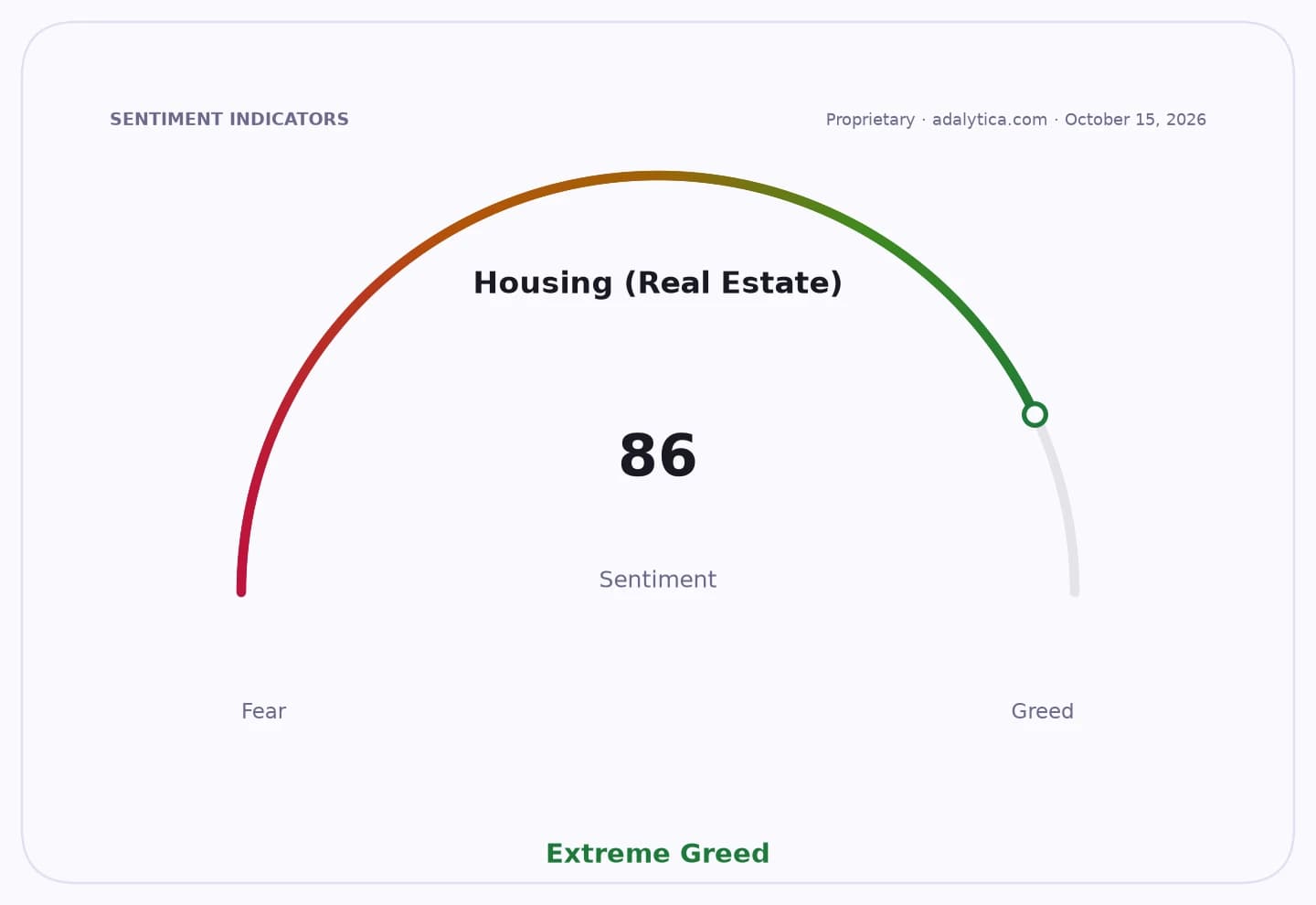
Sentiment IndicatorsⓘProprietary · adalytica.com · October 17, 2026
This is a snapshot — live sentiment, awareness and momentum for 130+ markets update continuously in the dashboard.Open AlphaPulse
For investors, the listing would offer a cleaner way to own income-producing hospitality assets tied to one of the world’s strongest hotel brands. Marriott’s global distribution, loyalty base and asset-light model have continued to underpin demand for branded properties, while hotel REITs can attract income investors looking for predictable cash flow and inflation-linked room-rate growth. The structure also gives IOI a way to monetize assets at a time when public markets have been willing to reward defensible real estate franchises over leveraged property exposure.
The move fits a broader regional pattern. Branded hotel development in Asia-Pacific is accelerating as operators seek to deepen their footprint in markets where tourism and business travel are still normalizing. Recent industry data have pointed to improving conditions in parts of the region, including firmer hotel revenue per available room in China after holiday-driven demand returned, while hotel rates have been rising in Vietnam as new supply meets a rebound in travel. That backdrop supports the case for high-quality, branded hotel assets that can command premium pricing.
Marriott itself enters the story from a position of relative strength. The company’s shares have traded above both the 50-day and 200-day moving averages in recent sessions, and technical readings show momentum has improved, suggesting investors remain comfortable with the brand’s earnings durability even as broader market sentiment has been uneven. For Marriott, more third-party branded ownership can reinforce fee income and system growth without requiring more capital.
The key question is pricing. If IOI can list the REIT at or near the implied $1.8 billion valuation, it would validate investor appetite for Asian hospitality assets and could encourage other owners to pursue similar structures. If demand is weaker than expected, it would signal that public markets still want a larger discount for hotel cyclicality, operating risk and regional exposure. Either way, the listing will be watched as a read-through for hotel real estate, branded asset monetization and capital recycling across Southeast Asia.
| Entity | Gains | Losses |
|---|---|---|
| IOI Properties | ▲Capital recycling | ▼Balance-sheet flexibility |
| Marriott | ▲Fee income growth | ▼Limited downside risk |
| REIT investors | ▲Branded hotel exposure | ▼Cyclical operating risk |
| Competing hotel owners | ▲Higher valuation comps | ▼Less differentiation |