Singapore’s Frasers Property has bought out its Chinese partner’s stake in Sydney’s tallest office tower for $864 million, a deal that says as much about the state of global property capital as it does about one building in Australia.
Frasers Property Buys Sydney Tower Stake
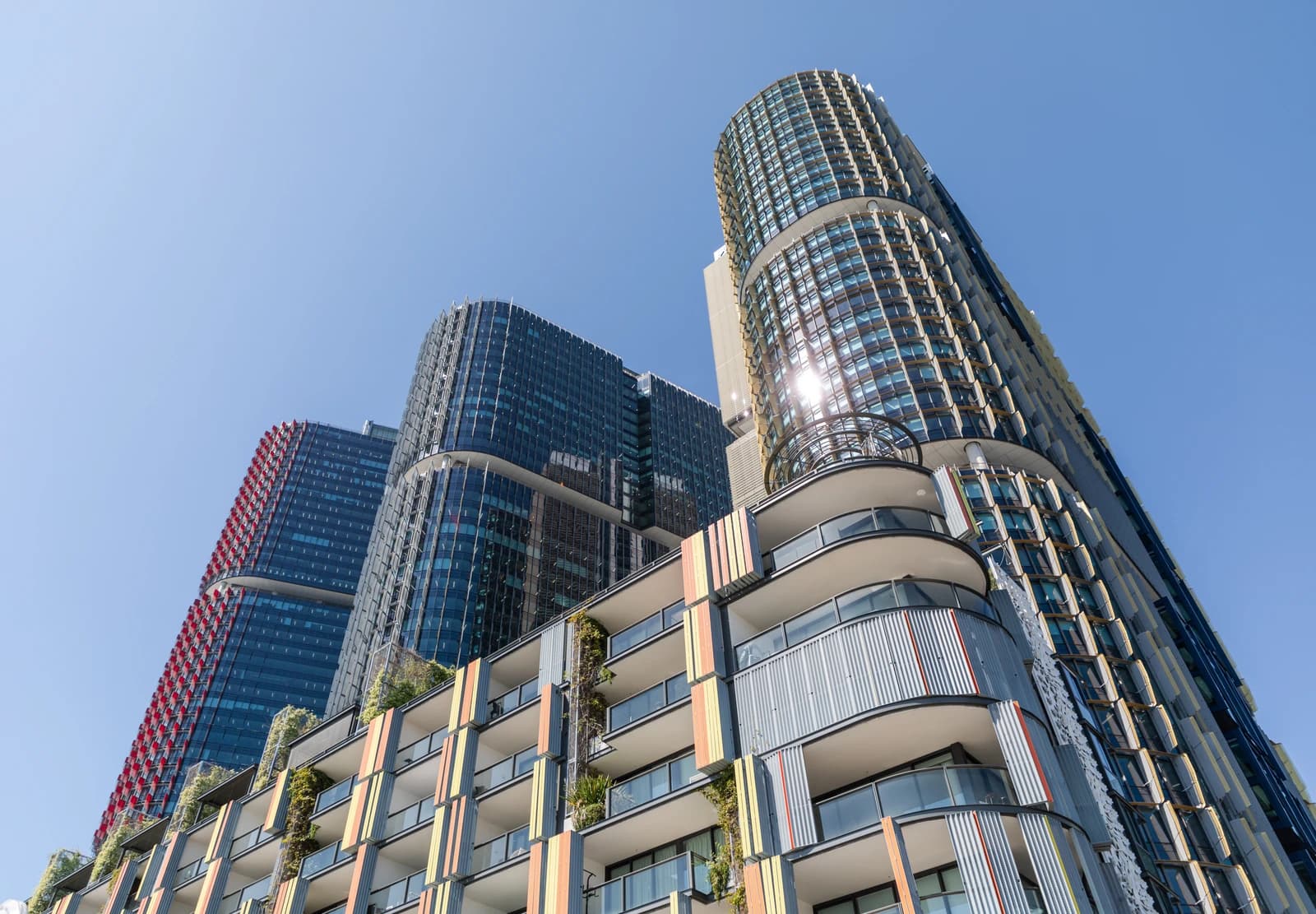
The transaction matters because prime offices are still attracting long-term money even as higher interest rates keep pressure on commercial real estate valuations worldwide. For investors, that makes the tower a useful read on where institutional buyers still see value: scarce, trophy assets in top locations that can outlast a painful funding cycle.
Sentiment IndicatorsⓘProprietary · adalytica.com · October 16, 2026
This is a snapshot — live sentiment, awareness and momentum for 130+ markets update continuously in the dashboard.Open AlphaPulse

The asset sits in Sydney’s CBD, where the best buildings tend to hold occupancy and pricing better than the broader office market. That resilience is important now because borrowing costs remain elevated, the 10-year U.S. Treasury yield is around 5.17% and the 2-year is near 4.83%, a backdrop that raises the hurdle rate for property deals and compresses returns across listed REITs and private real estate funds alike.
Even so, buyers are still willing to write large checks for quality. That is the real story here. In a market where many landlords are fighting refinancing risk and weaker demand for secondary offices, a transaction like this suggests that capital is concentrating in the few assets with strong tenant appeal, deep liquidity and a path to hold value through the cycle.
For Frasers Property, the buyout simplifies ownership and gives it more control over a marquee asset at a time when many real estate investors are trying to reduce uncertainty. For the seller, it’s a clean exit from a market that has become tougher to finance. And for the broader listed-property universe, it reinforces a split investors should not ignore: trophy real estate can still trade, but leveraged, undifferentiated office exposure remains under strain.
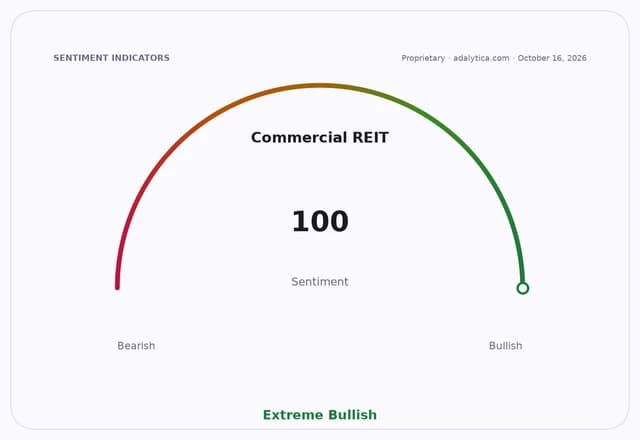
That helps explain why REIT sentiment has been swinging sharply. Adalytica’s Commercial REIT Sentiment gauge shows “Extreme Greed,” even as the underlying sector remains sensitive to rates and bond moves. VNQ, the U.S. real estate ETF, has also been moving around its long-term average, with the 50-day and 200-day moving averages close together, a reminder that the sector is stabilizing but not yet in a clean uptrend.
For long-term investors, the takeaway is straightforward: deals like this do not mean commercial property is back in favor broadly, but they do show that premium assets are still worth owning through a full cycle. That is usually where the best real estate compounding happens. Worth watching, and worth separating from the weaker parts of the office market.
| Entity | Gains | Losses |
|---|---|---|
| Frasers Property | ▲Greater control of prime asset | ▼Higher capital commitment |
| Chinese partner | ▲Cash exit | ▼Loss of Sydney exposure |
| Prime office owners | ▲Pricing support | ▼Limited to top-tier assets |
| Leveraged office landlords | ▲None | ▼Continued valuation pressure |