Long queues at Iranian petrol stations are exposing a hard economic reality: the country that sits atop some of the world’s biggest oil and gas reserves is struggling to turn that resource base into usable fuel.
Iran fuel shortages and sanctions strain refining

The shortage matters well beyond inconvenience at the pump. It points to a deeper failure in Iran’s refining and processing system, where U.S. sanctions have limited access to technology and equipment needed to convert crude and gas into gasoline and other products. The result is a country with abundant hydrocarbons but inadequate domestic fuel supply, forcing imports and tightening pressure on an already strained economy.
Iran imported about $6 billion of fuel last year, according to the report cited by NZZ, underscoring how far domestic demand has run ahead of processing capacity. That dependence is costly for a state already under sanctions and weakens one of the key advantages of being an energy superpower: self-sufficiency. It also raises the risk that shortages become more persistent, not just seasonal, if investment in upstream and downstream infrastructure remains constrained.
The political economy is equally important. Gasoline and gas are heavily subsidized in Iran and effectively near-free for much of the population, a policy that has long been politically sensitive because price increases have triggered protests. That makes outright reform difficult and leaves rationing as one of the few tools available to manage demand. In practice, shortages can become a mechanism of control, but they also intensify public frustration and raise the risk of unrest.
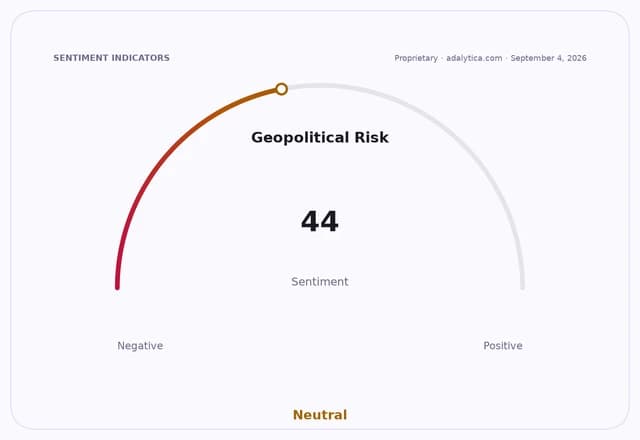
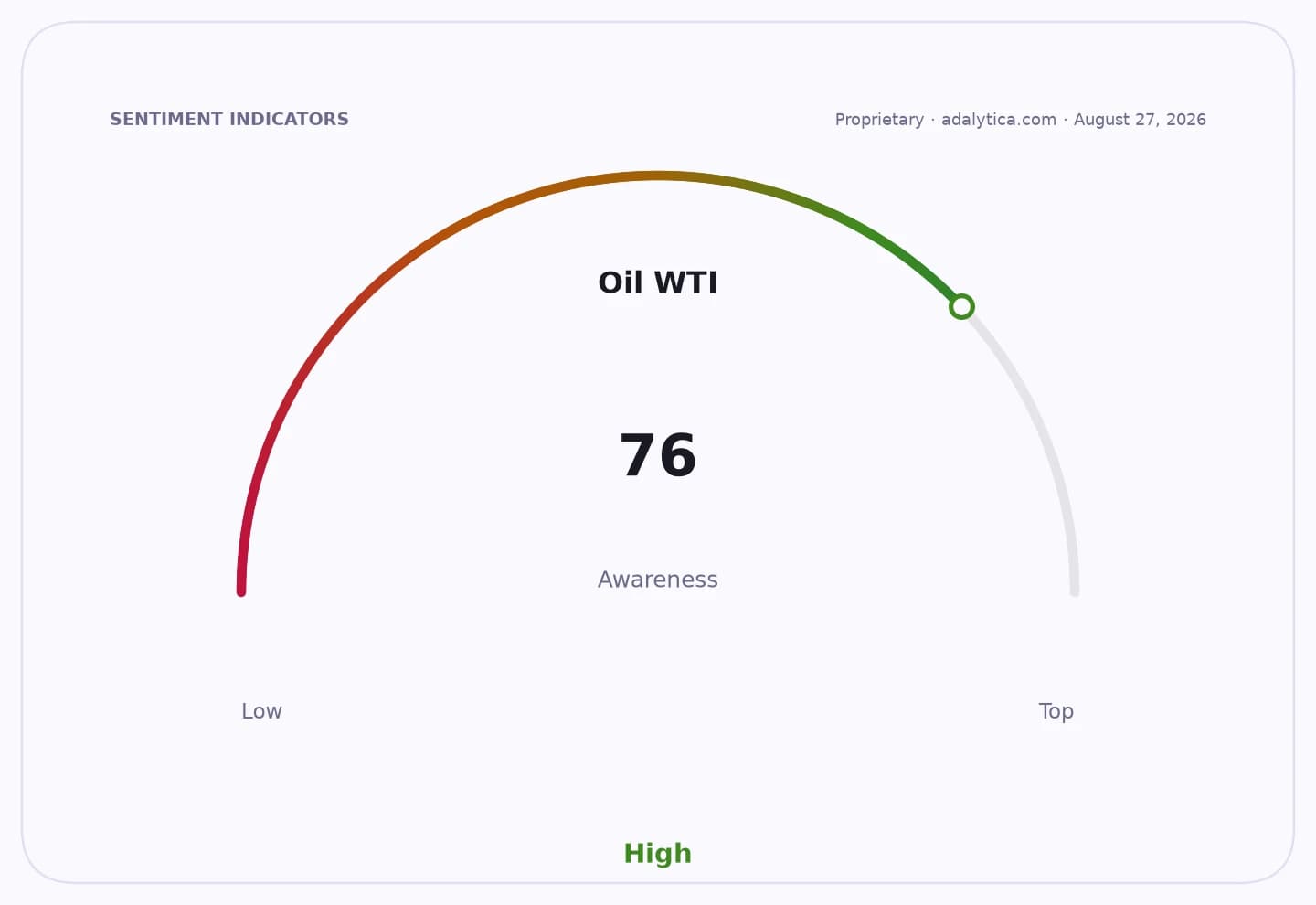
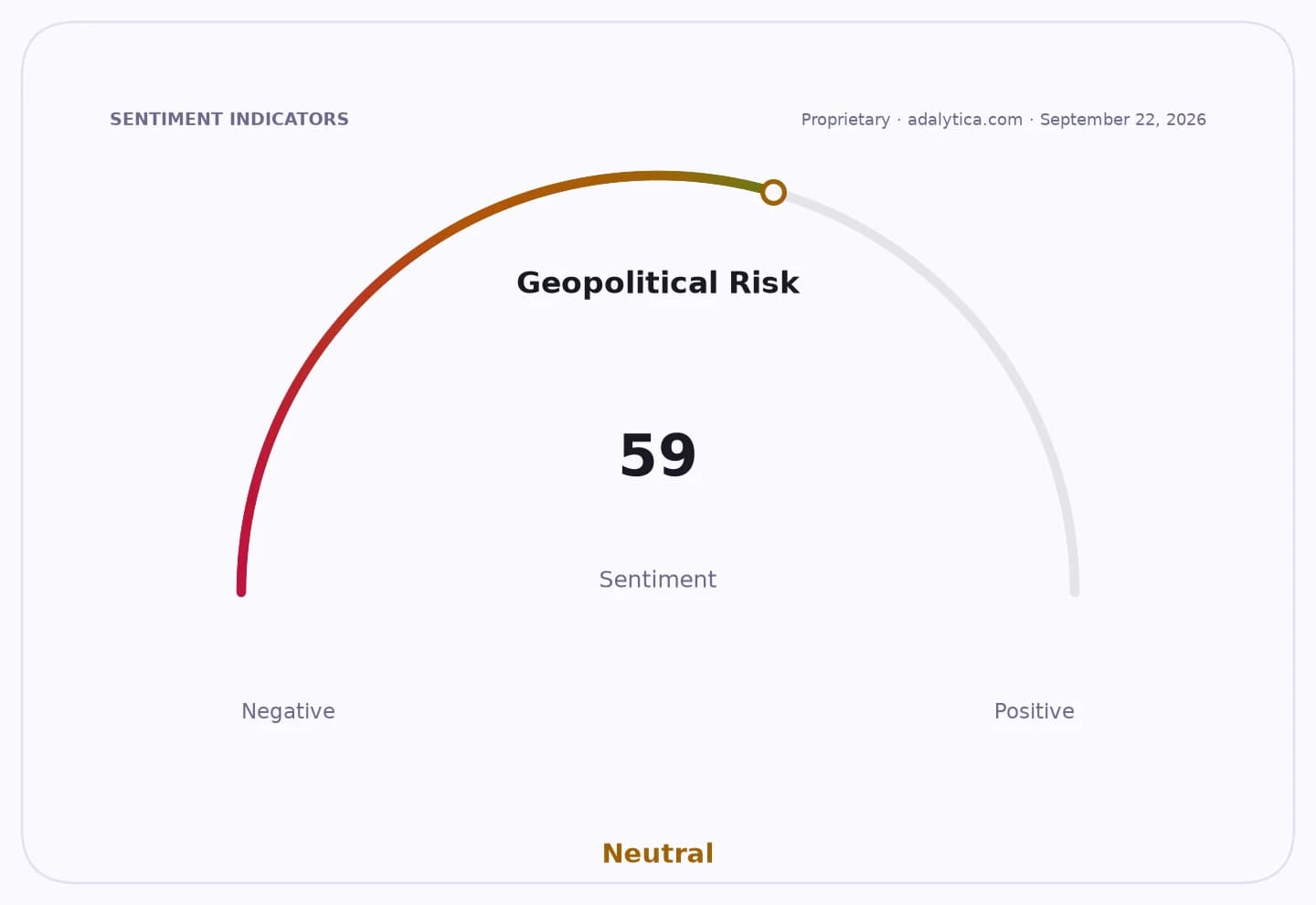
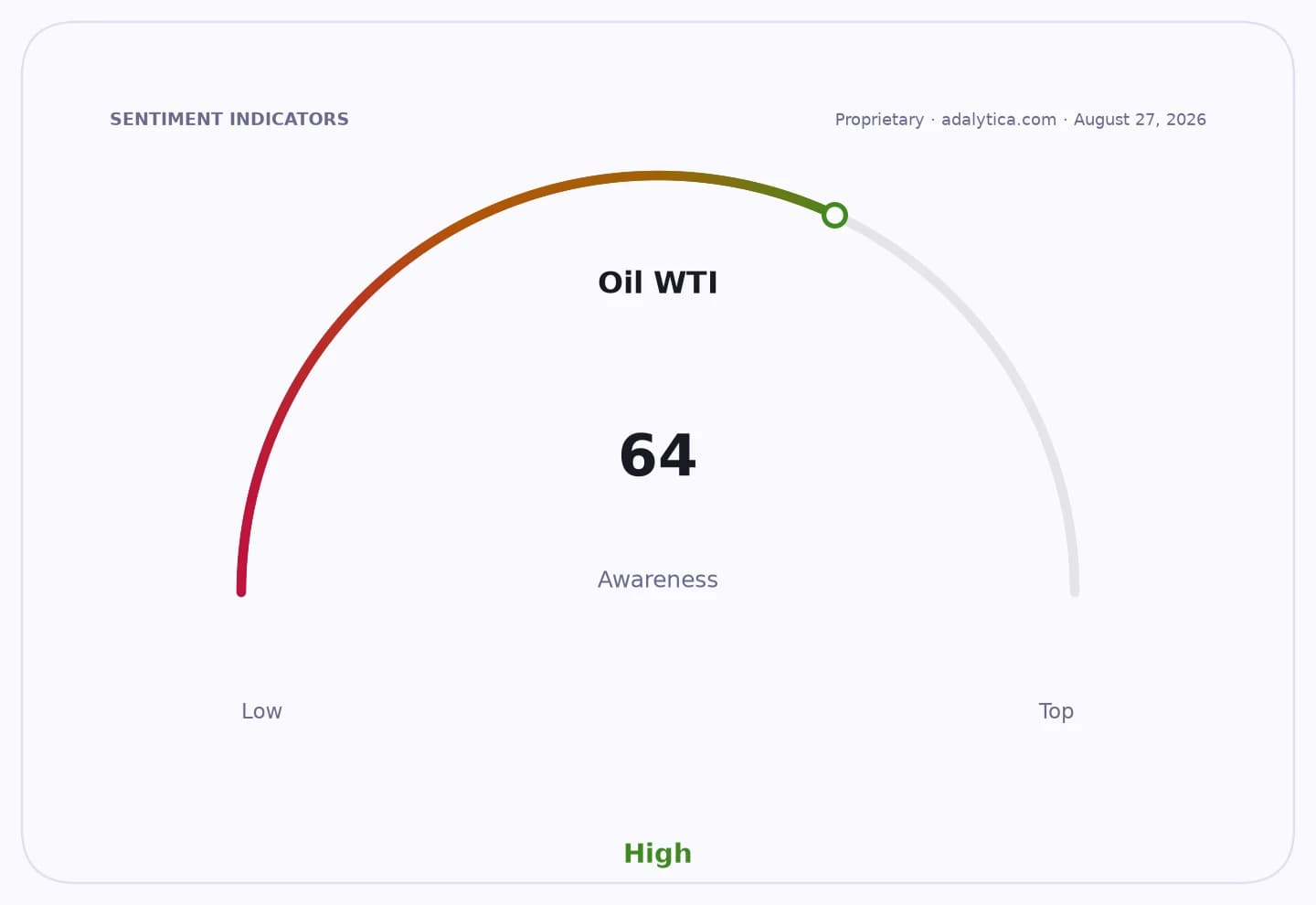
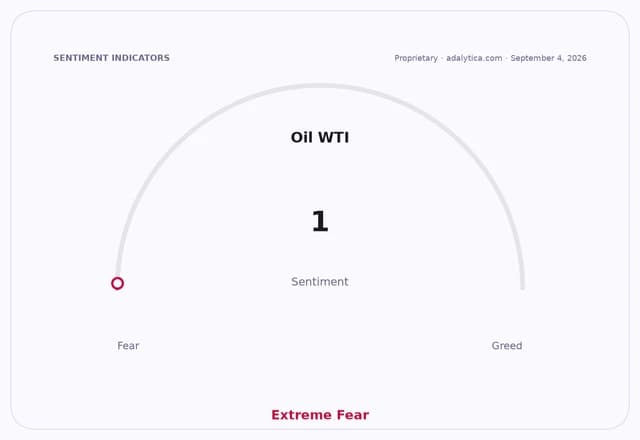
For investors in global energy markets, the immediate effect is another reminder that supply disruptions are not only about production volumes but about conversion, transport and access to technology. Oil benchmarks are already elevated, with WTI and Brent both trading far above their longer-run averages, and the market remains highly sensitive to Middle East supply shocks. Even if Iran’s domestic shortage does not directly remove large export volumes from the market, it reinforces the premium attached to geopolitical risk and the fragility of regional fuel balances.
The bullish case is that prolonged scarcity could eventually force Tehran to curb domestic consumption and protect limited stocks. The bearish case is that subsidies, sanctions and underinvestment keep the system locked in a cycle of shortages, imports and political stress, with spillovers into broader energy prices. Either way, Iran’s fuel crisis is less a contradiction than a warning: reserve-rich countries can still become supply-constrained when processing capacity, sanctions and policy distortions collide.
| Entity | Gains | Losses |
|---|---|---|
| Iranian government | ▲More rationing leverage | ▼Public anger over shortages |
| Fuel importers | ▲Higher sales volumes | ▼Sanction and logistics costs |
| Global oil producers | ▲Higher risk premium | ▼Demand destruction if rationing deepens |
| Iranian motorists | ▲None | ▼Longer queues, scarce fuel |