Trump’s fresh attack on Iran is more than a political jab: it is a reminder that the world’s most important oil chokepoint can still turn into a market-moving flashpoint in a matter of hours.
Iran Risk Lifts Oil, Gold and Dollar

That matters because energy is the first place investors feel geopolitical stress. When rhetoric hardens around Iran, traders immediately start pricing in a higher chance of supply disruption in the Strait of Hormuz, the narrow waterway that carries a huge share of the world’s crude exports. The result is usually the same: oil rises, gold catches a bid, the dollar firms and investors rotate toward assets that tend to hold value when fear spikes.
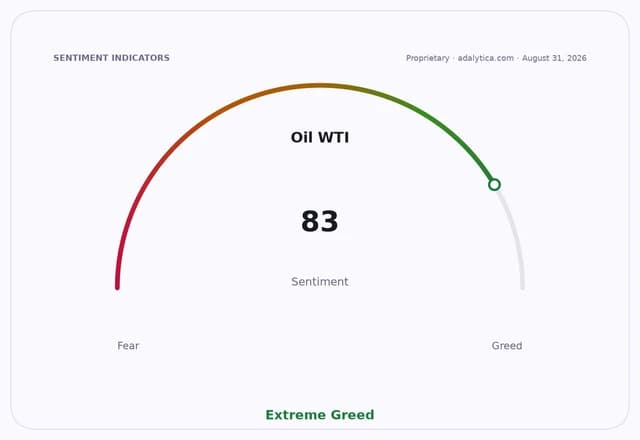
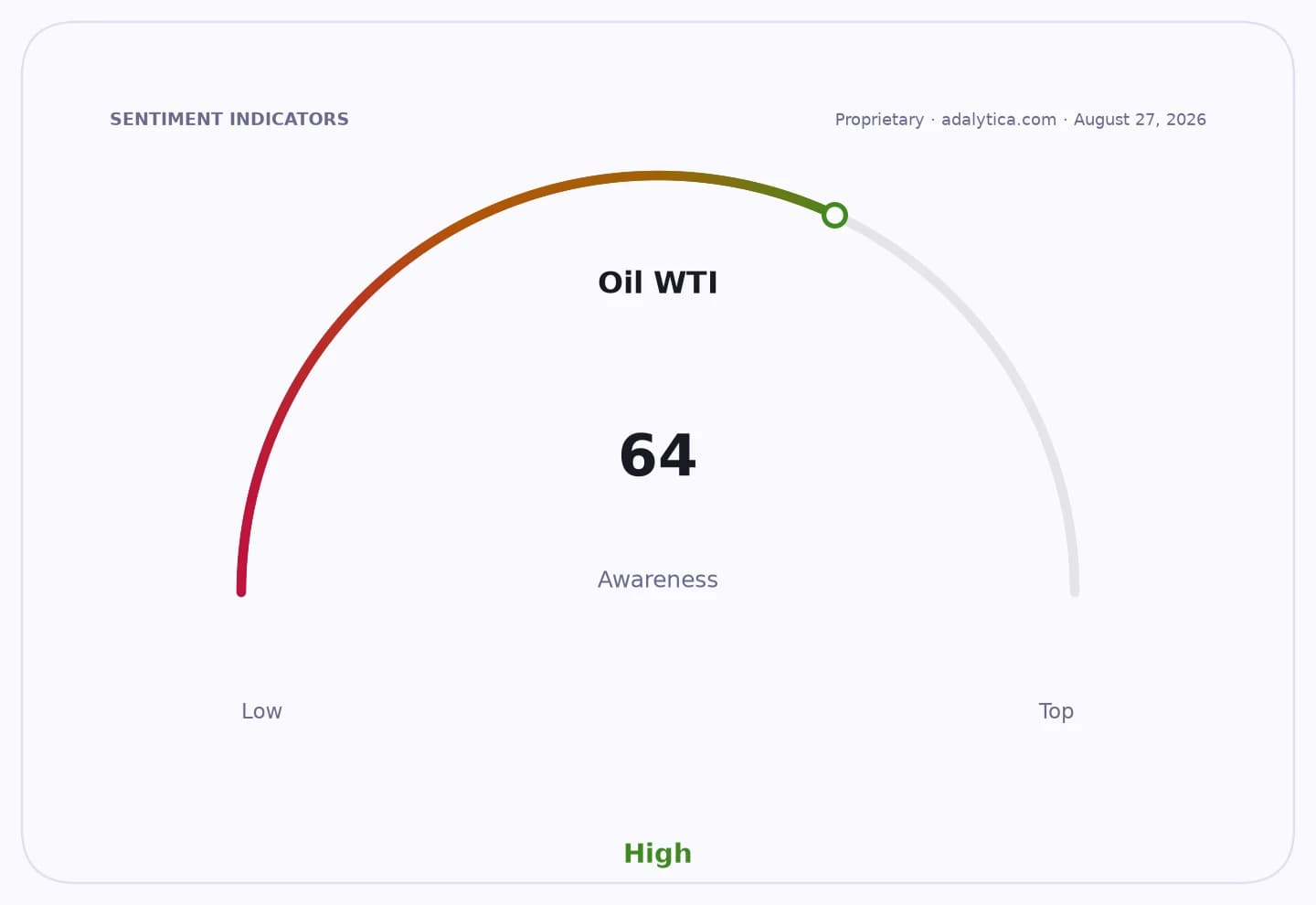
That pattern is visible in the market data. U.S. Oil Fund shares have surged to 132.82 from 112.21 in early July, a gain that reflects not just tight supply expectations but also a dramatic shift in trader positioning. Adalytica’s oil trade signal remains in “Greed,” even after the latest pullback in awareness, suggesting markets still see elevated upside risk in crude. The fund is now trading far above its 50-day moving average, while its RSI reading near 59 points to strong momentum without yet signaling a fully exhausted move.
Gold is doing what gold does best in uncertain times. GLD is holding around 406.52, well above the 200-day moving average, after touching 422.60 late last week. Even after a modest pullback, the metal is still sitting on a powerful year-long advance, and that’s exactly the kind of setup long-term investors should expect when geopolitical fear rises faster than economic certainty. Gold does not need a crisis to work, but it usually benefits when investors start worrying that one could spiral.
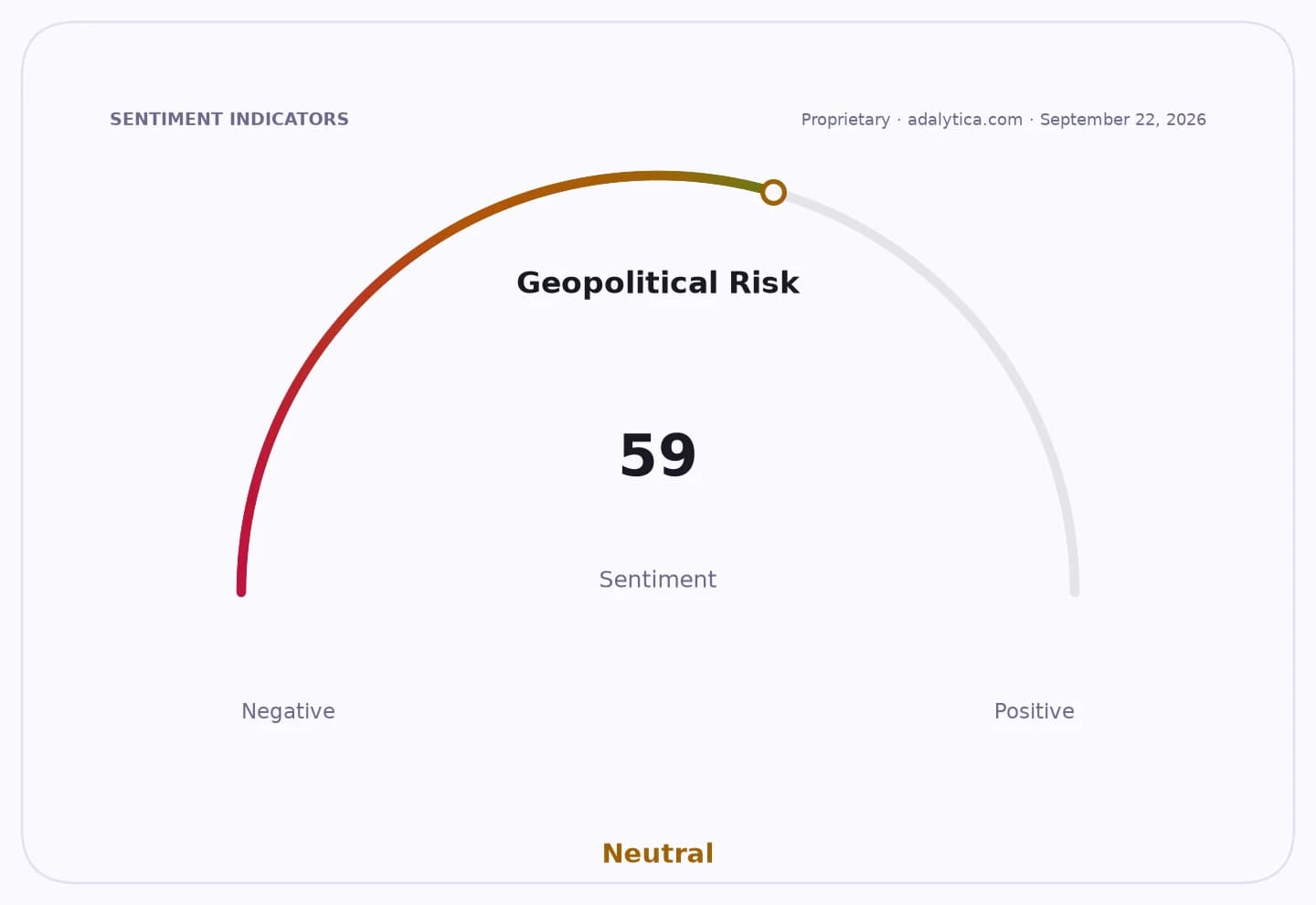
Geopolitical Risk vs USOadalytica.com
Explore this data interactively — full history, time series and cross-market comparisons.Open AlphaPulse
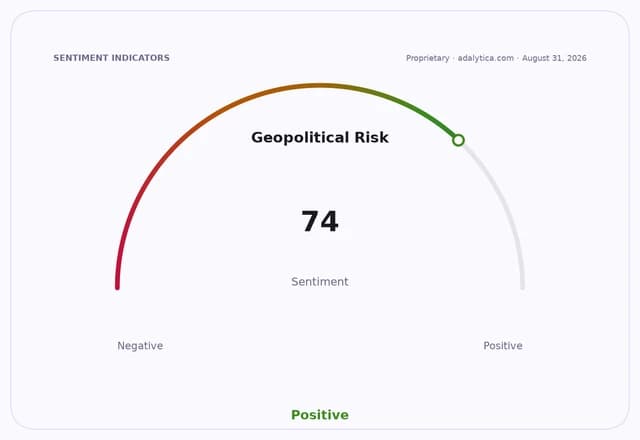
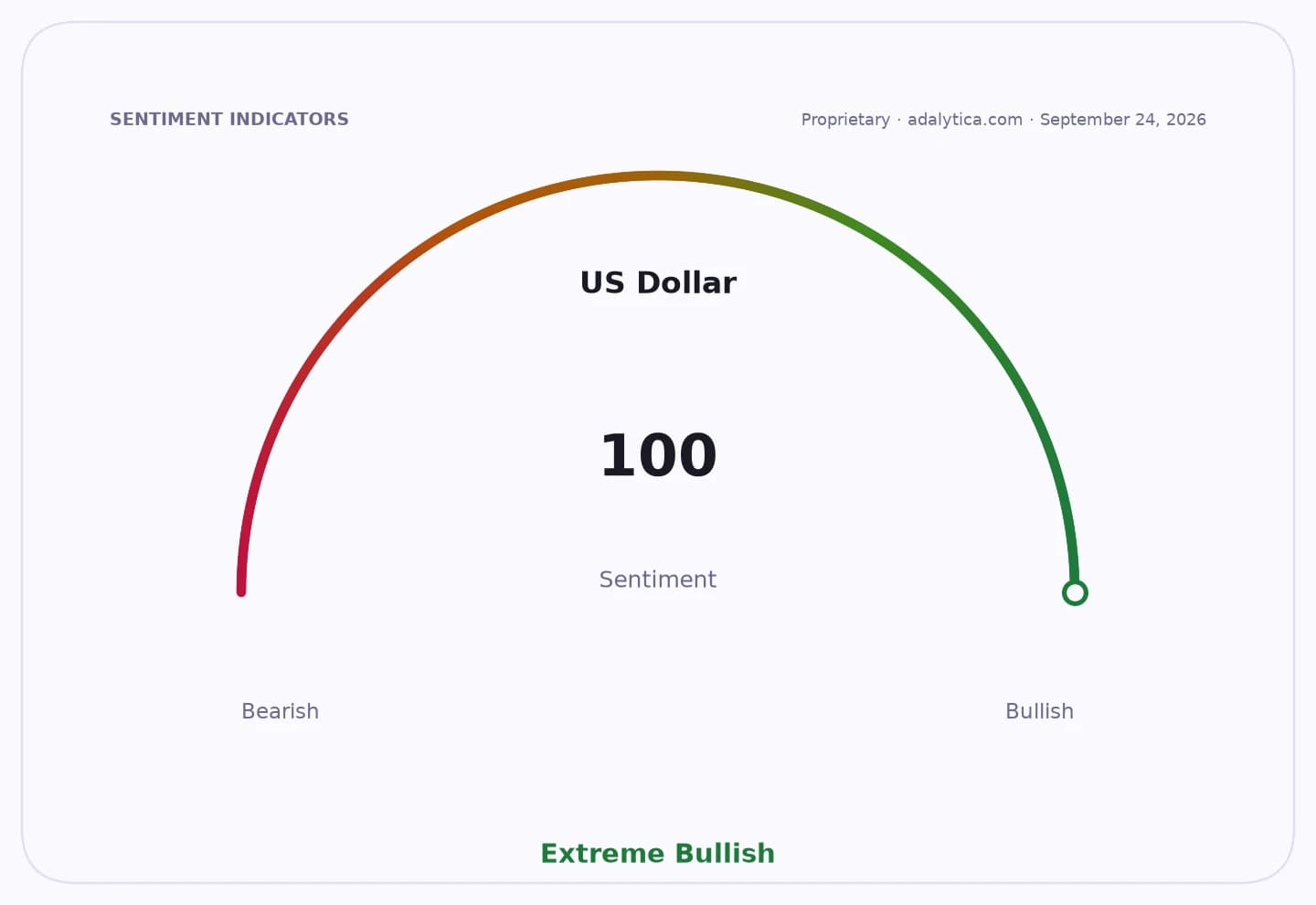
The dollar is also holding steady, with UUP near 28.13 and above both its 50-day and 200-day moving averages. That matters because a stronger dollar often shows global capital seeking safety, and it can reinforce pressure on commodities and emerging markets if tensions widen further. Adalytica’s global stability reading shows “Greed” in headline sentiment but “Extreme Fear” in awareness, a useful reminder that markets can look calm on the surface while investors quietly prepare for worse outcomes.
For investors, the bigger takeaway is not to trade every headline. It is to recognize that Iran risk keeps a real geopolitical premium embedded in energy, precious metals and the dollar. That premium can fade quickly if diplomacy takes hold, but it can also reprice violently if attacks escalate or shipping lanes come under threat. Over years, not days, that argues for owning exposure to energy producers, gold and broad diversification rather than trying to predict the next missile launch or presidential sound bite.
In the end, Trump’s language may be political, but the market consequences are practical. Iran-related risk is back on the table, and that keeps oil, gold and the dollar worth watching closely.
| Entity | Gains | Losses |
|---|---|---|
| USO / oil bulls | ▲Higher crude prices | ▼Consumers, airlines |
| GLD / gold holders | ▲Safe-haven demand | ▼Cash hoarders in inflation |
| UUP / dollar bulls | ▲Flight-to-quality flows | ▼Non-U.S. borrowers |
| Iran / escalation risk | ▲Bargaining leverage | ▼Economic stability, investors |