Iran has approved a railway agreement with Russia for a 162-kilometer line that would connect the two countries’ rail networks and deepen trade links across the region.
Iran Approves 162-Km Rail Link With Russia
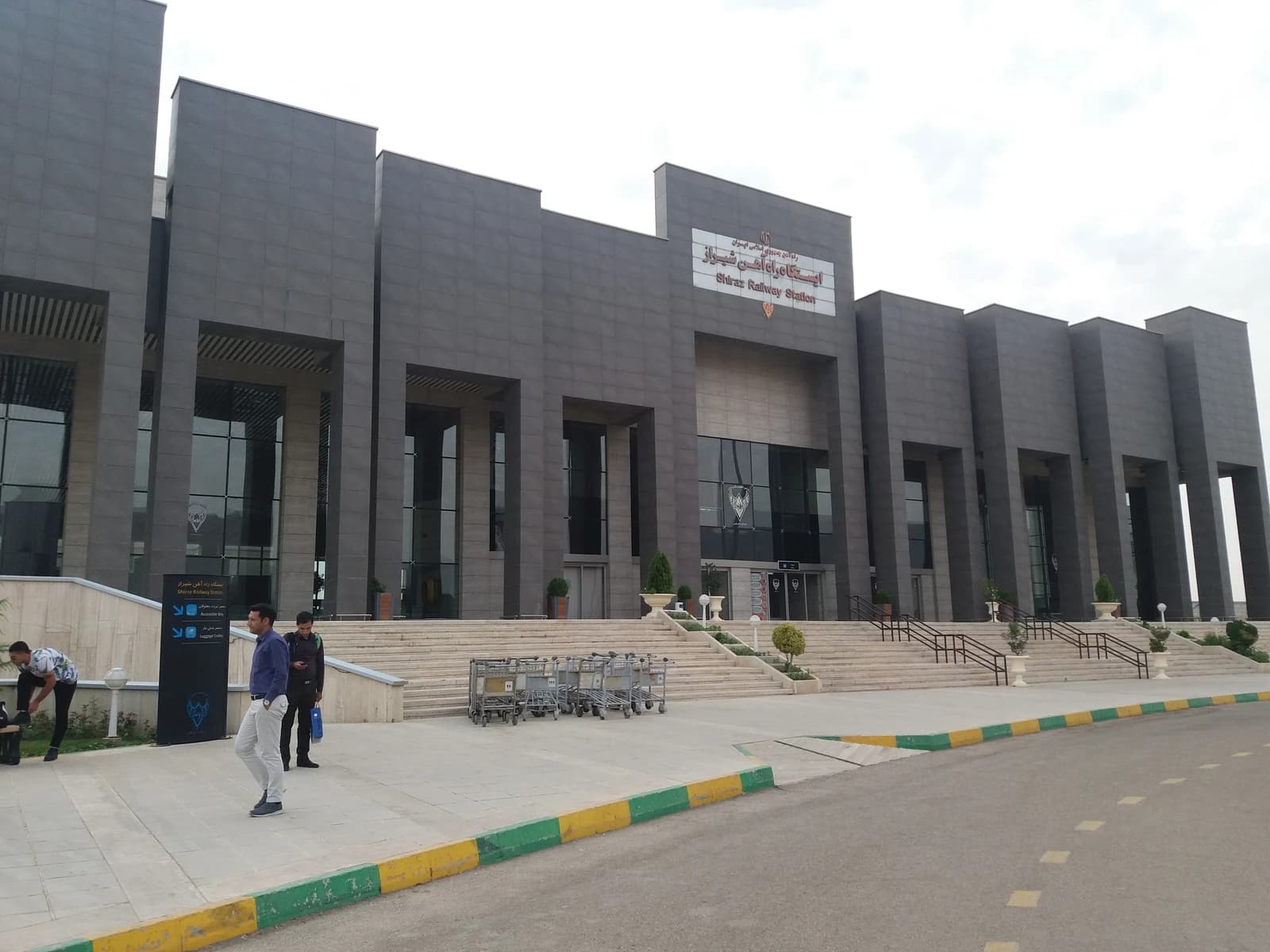
The decision matters because the project is more than an infrastructure upgrade: it is a strategic bid to re-route commerce, reduce transport bottlenecks and strengthen an overland corridor linking Iran, Russia and other regional markets at a time when sanctions and geopolitics are reshaping trade flows. Iranian media said the Supreme National Security Council ratified the deal and handed over land surveys and technical assessments to a Russian company, suggesting the project is moving from diplomacy to implementation.
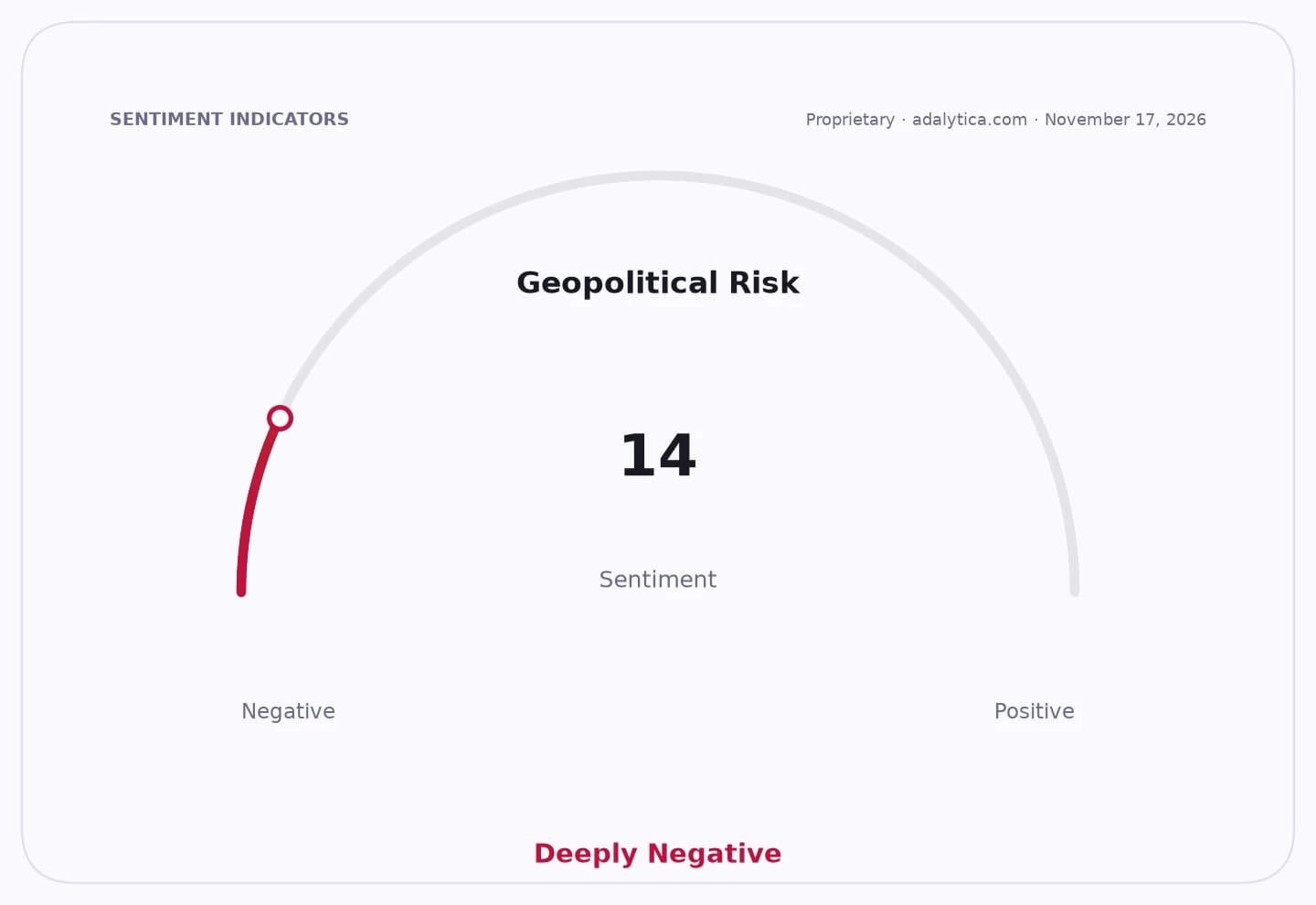
Sentiment Indicators
The Rasht-Astara route is one of the missing pieces in a wider north-south logistics chain that Moscow and Tehran have long promoted as an alternative to traditional sea routes. If completed, the line should lower freight frictions, improve cargo movement and support shipments between the Caspian region, the Caucasus and the Gulf. That has obvious economic implications for Iran, which wants to monetize its location as a transit hub, and for Russia, which has been seeking non-Western trade corridors under sanctions pressure.
For investors, the immediate market impact is limited, but the deal reinforces a broader theme: geopolitical fragmentation is driving capital toward rail, ports and corridor infrastructure that can shorten delivery times and bypass chokepoints. That can benefit contractors, rolling-stock suppliers, logistics firms and commodity exporters that stand to gain from more reliable overland routes. It also underscores the competitive pressure on existing maritime and transit networks that may lose traffic if the corridor proves viable.
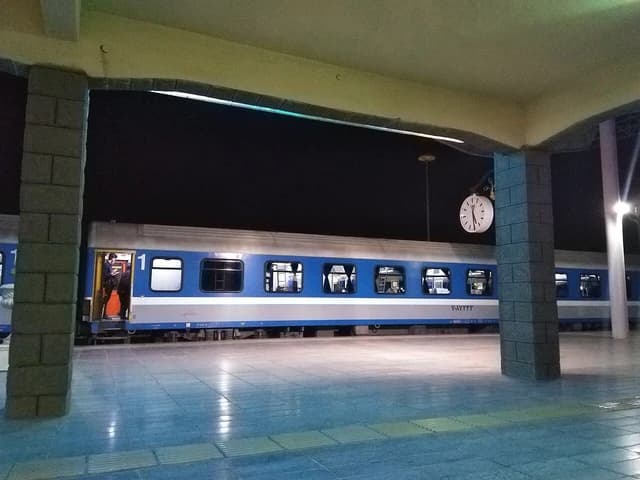
The project still faces execution risk. Cross-border rail links are typically slowed by financing, land acquisition, engineering complexity and coordination between governments that do not always share commercial priorities. But the approval is a meaningful step because it shows both countries are willing to invest political capital in a route that could outlast the current diplomatic cycle and reshape regional trade patterns if it is built on schedule.
| Entity | Gains | Losses |
|---|---|---|
| Iran | ▲Transit revenue and trade leverage | ▼Reliance on slower routes |
| Russia | ▲Alternative trade corridor | ▼Exposure to sanctions constraints |
| Regional exporters/logistics firms | ▲Shorter overland shipments | ▼Existing maritime carriers |
| Competing transit routes | ▲— | ▼Potential loss of cargo flow |