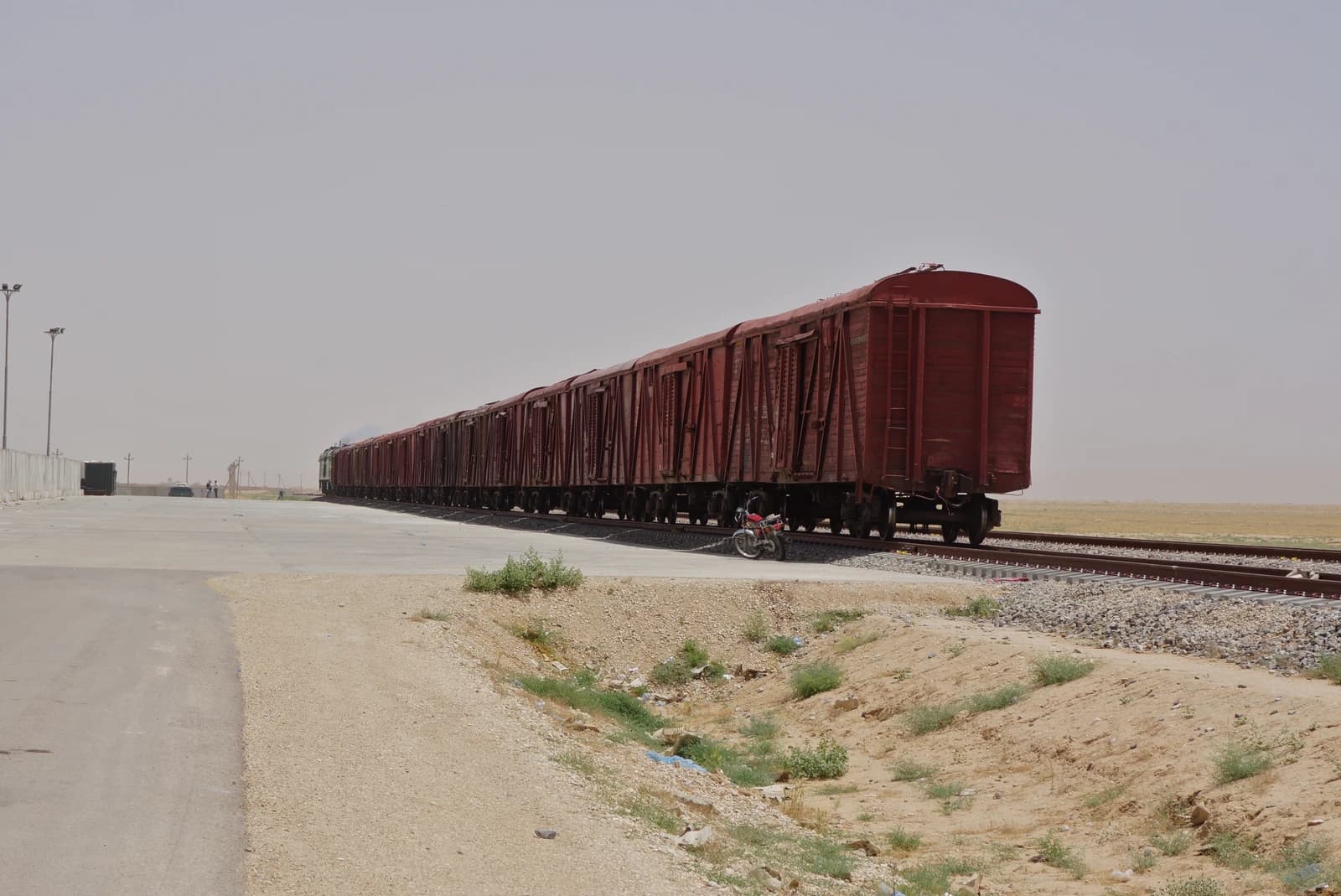
Iran is pushing to extend Afghanistan’s railway network from Herat to Uzbekistan’s Termez border, a move that could reshape freight flows across Central Asia by giving landlocked economies a faster route to markets, ports and, ultimately, China and Europe.
Iran seeks rail link from Herat to Termez border
The proposal matters because rail is not just infrastructure in this part of the world — it is leverage. For Afghanistan, Uzbekistan and Iran, better rail links could lower transport costs, reduce reliance on slow and politically fragile trucking routes and help turn transit geography into export income. For investors, that can mean new opportunities in logistics, ports, construction and regional trade, while also highlighting how quickly geopolitical risk can disrupt supply chains.
Sentiment Indicators
Iran’s roads and urban development minister raised the idea at a Trans-Afghan Corridor meeting in Astana, saying Tehran is looking for ways to deepen rail connectivity with Afghanistan and Uzbekistan. She argued the route could open new freight corridors and improve access to open waters, with Chabahar in particular positioned as a gateway for Afghan and Central Asian goods.
That is the key economic story: the region is trying to build alternatives. Afghanistan has long been boxed in by poor infrastructure and shifting borders, while trade between Pakistan and Afghanistan has been repeatedly disrupted by tensions. The result is higher costs for producers, fewer reliable routes for exporters and a constant drag on cross-border commerce.
The pressure is already visible in the numbers. In Pakistan, pomegranate prices have more than doubled after Afghan trade was suspended, with a 10-kilogram crate rising to as much as 10,000 rupees from about 4,000 rupees earlier in the year. Pakistan imported more than $18 million of pomegranates from Afghanistan in 2024, and traders say roughly 250 trucks used to cross through Chaman during the season. When that flow stopped, consumers paid more and importers, transporters and clearing agents lost business.
At the same time, the region is showing how quickly commerce can reroute when governments cooperate. Afghanistan and Uzbekistan have agreed on an export plan for 100,000 tons of Bamyan potatoes, with the first eight trucks already heading to Termez through Hairatan Port. Afghanistan and India are also talking about expanding use of Indian ports and easing banking, customs and visa bottlenecks, underscoring that the contest for transit routes is widening beyond a single border crossing.
For investors, the takeaway is that Central Asia’s rail map is becoming a strategic asset class in its own right. Rail corridors linking Iran, Afghanistan, Uzbekistan, Pakistan and possibly China can boost trade volumes over time, but they also depend on political coordination, security and financing. That makes the opportunity attractive for patient capital, but still highly exposed to diplomatic breakdowns.
That risk backdrop is hard to ignore. Adalytica’s Global Stability Sentiment gauge sits at “Extreme Fear,” reflecting how quickly confidence can evaporate around conflict-prone corridors. In other words, the prize is real, but so is the volatility.
The long-term story here is simple: whoever helps build the most reliable route through this region stands to gain freight, fees and influence. For investors, that means watching not just trains and terminals, but the political will behind them. If these corridor plans keep moving from meetings to construction, they could become one of the more durable trade themes in a very unsettled part of the world.
| Entity | Gains | Losses |
|---|---|---|
| Iran, Uzbekistan, Afghanistan | ▲lower freight costs, transit revenue | ▼reliance on fragile routes |
| Chabahar port and rail corridor projects | ▲more cargo volume | ▼slower rival routes |
| Pakistani fruit traders and consumers | ▲local growers gain some share | ▼importers, consumers, transporters |
| Long-term infrastructure investors | ▲new logistics and rail opportunities | ▼capital exposed to political risk |