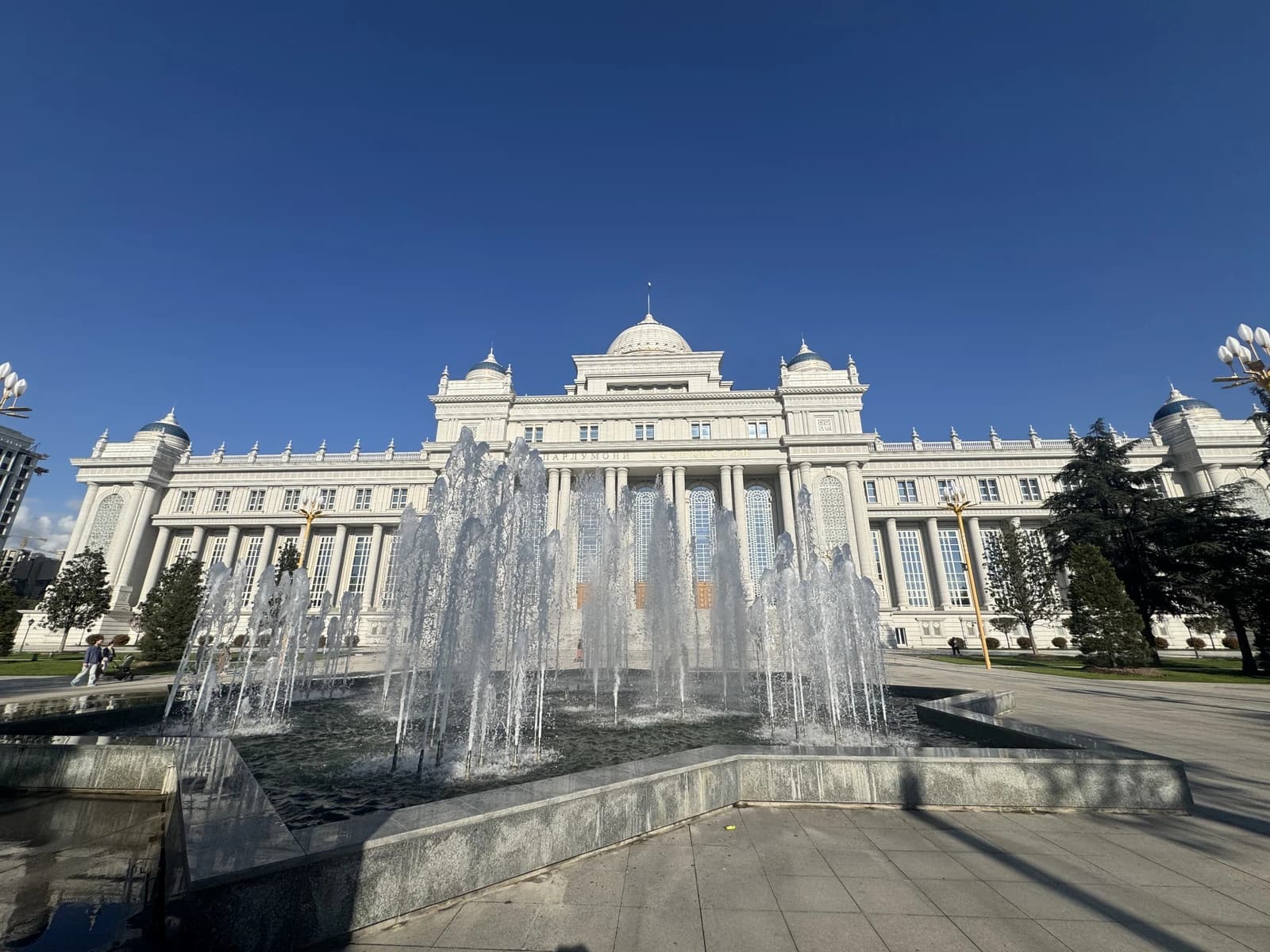
Pakistan is pushing to deepen cooperation with China in green development, digital transformation and smart agriculture, a sign that the bilateral relationship is moving beyond roads and power plants toward sectors that can shape Pakistan’s productivity, export capacity and energy mix.
Pakistan and China Expand CPEC Into Green Tech
The message from Manzoor Ali Memon, Pakistan’s minister for press and culture in Beijing, matters because it places technology transfer and industrial upgrading at the center of the next phase of the partnership. For Islamabad, the economic case is straightforward: the country needs investment and know-how to improve energy efficiency, modernize farming and expand its digital economy while keeping external financing pressure in check.
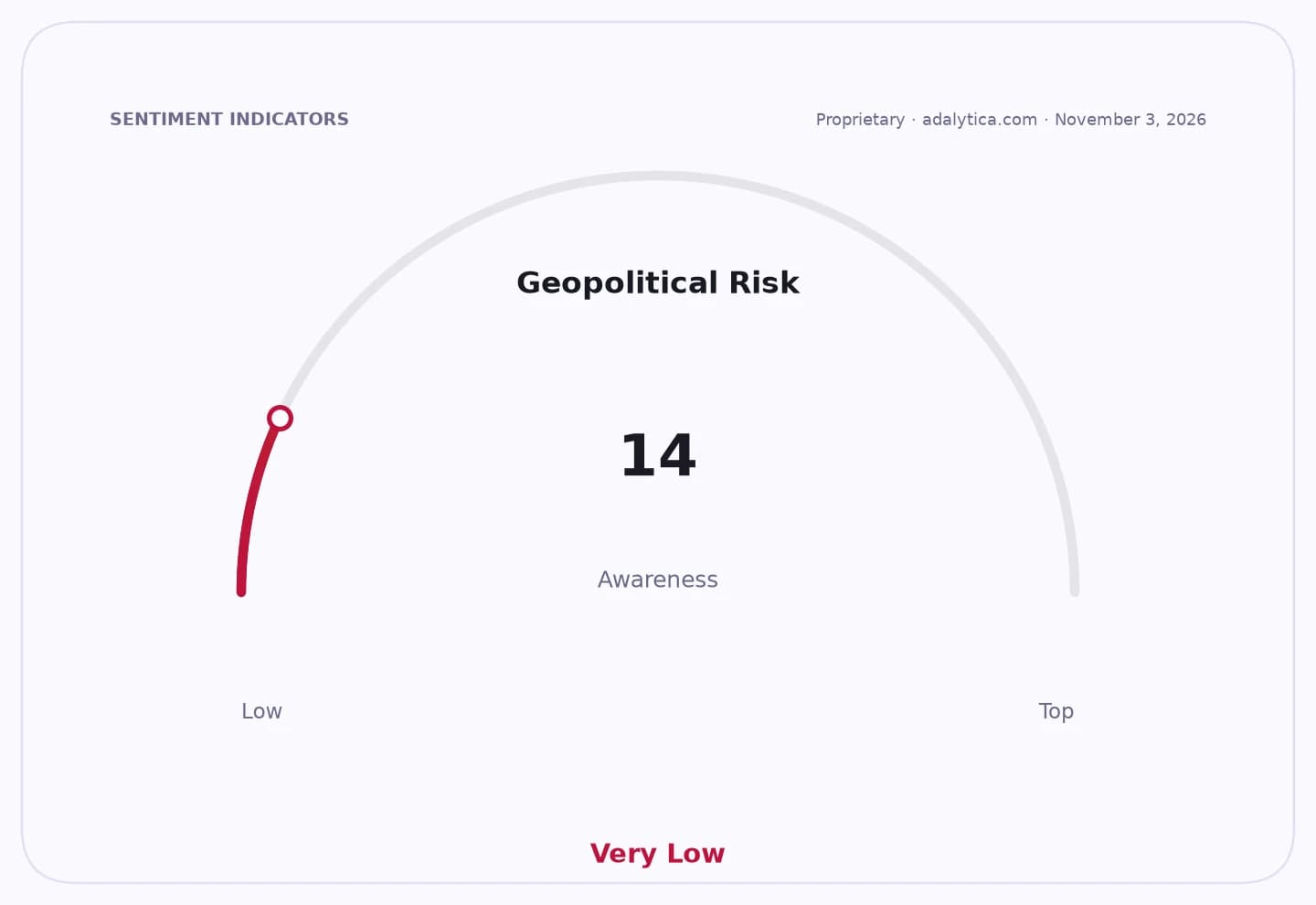
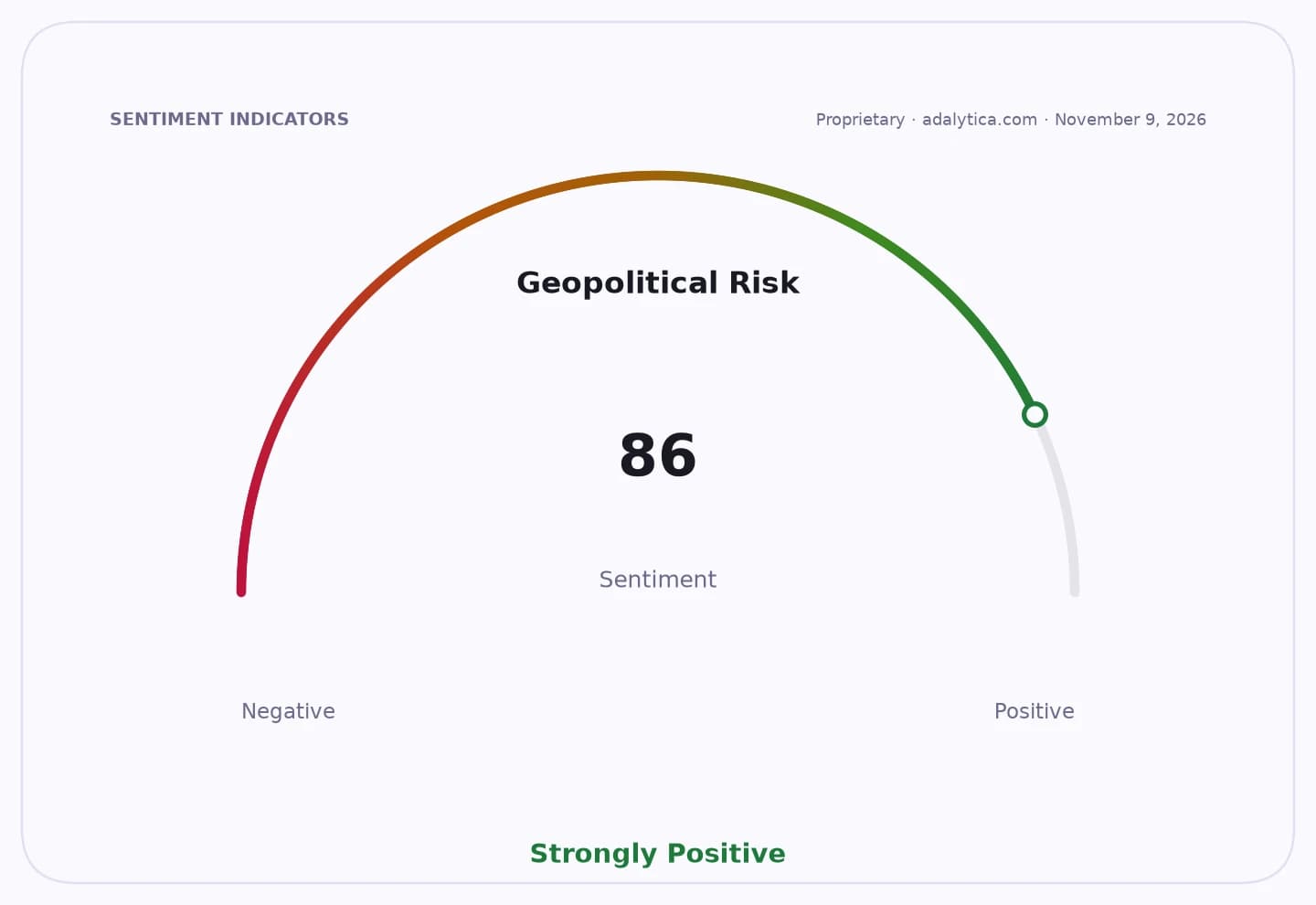
Sentiment Indicators
Memon said Pakistan wants closer cooperation with China in renewable energy, energy storage, electric vehicles, smart technologies and digital systems, arguing that China’s technical capacity combined with Pakistan’s labor force, geography and emerging digital ecosystem could create new growth opportunities. He framed those priorities as aligned with Pakistan’s “Uraan Pakistan” programme and its five-E framework, which includes exports, e-Pakistan and energy-environment goals.
The broader significance is that CPEC is being rebranded from a heavy-infrastructure project into a more diversified development platform. Under CPEC 2.0, Islamabad wants cooperation to extend into industrial development, agricultural innovation, green growth, public welfare and regional connectivity. That shift is important for investors because it could eventually alter the composition of Chinese engagement in Pakistan, with more emphasis on software, services, equipment and training rather than only large-scale construction and utility assets.
Agriculture is emerging as one of the clearest near-term channels. Memon said 1,000 Pakistani agricultural specialists are currently being trained at Chinese universities, an investment that could raise yields and encourage adoption of modern farming methods once they return home. In a country where food inflation and climate stress remain persistent risks, even modest gains in agronomy, irrigation efficiency and crop management could have outsized macroeconomic effects.
There is also a capital-markets angle. Pakistan’s equities and currency have often traded on expectations around external support, Chinese financing and domestic reform progress. The latest FXI and KWEB price action shows Chinese equities gaining traction in recent sessions, while Pakistan’s own market proxy has also stabilized after earlier weakness. That does not make the relationship a direct market catalyst, but it underscores how investors remain sensitive to signs of improved China-led policy support across Asia.
Still, the bull case depends on execution. Pakistan has made similar pledges before, and the returns from digital and green cooperation will depend on whether projects are financed, implemented and scaled inside a still-fragile macroeconomic environment. The bear case is that the agenda remains rhetorical if power-sector losses, fiscal constraints and policy inconsistency continue to slow delivery.
For now, the narrative is clear: Pakistan is trying to use its 75-year diplomatic relationship with China to secure the next phase of growth. The stakes are less about symbolism than about whether Beijing can help Islamabad move from infrastructure dependence to a more productive, less carbon-intensive economy.
| Entity | Gains | Losses |
|---|---|---|
| Pakistan | ▲Tech transfer and growth options | ▼Slower reform if execution lags |
| China | ▲Deeper strategic influence | ▼Capital at risk in a fragile economy |
| Pakistani farmers and students | ▲Training and modern tools | ▼Short-term disruption from change |
| Legacy infrastructure model | ▲Continued relevance in CPEC | ▼Relative importance fades |