Khyber Pakhtunkhwa’s governor has taken the province’s investment pitch directly to Pakistan’s Special Investment Facilitation Council, a small but important sign that Islamabad wants provincial governments rowing in the same direction as it tries to unlock industrial growth and private investment.
Khyber Pakhtunkhwa Discusses Investment With SIFC
That matters because Pakistan’s growth problem is not just a lack of capital; it is a lack of execution. Investors want clear rules, faster approvals and less friction between federal and provincial offices. The SIFC was set up to do exactly that, and its value will be judged by whether it can turn policy promises into factories, jobs and export capacity.
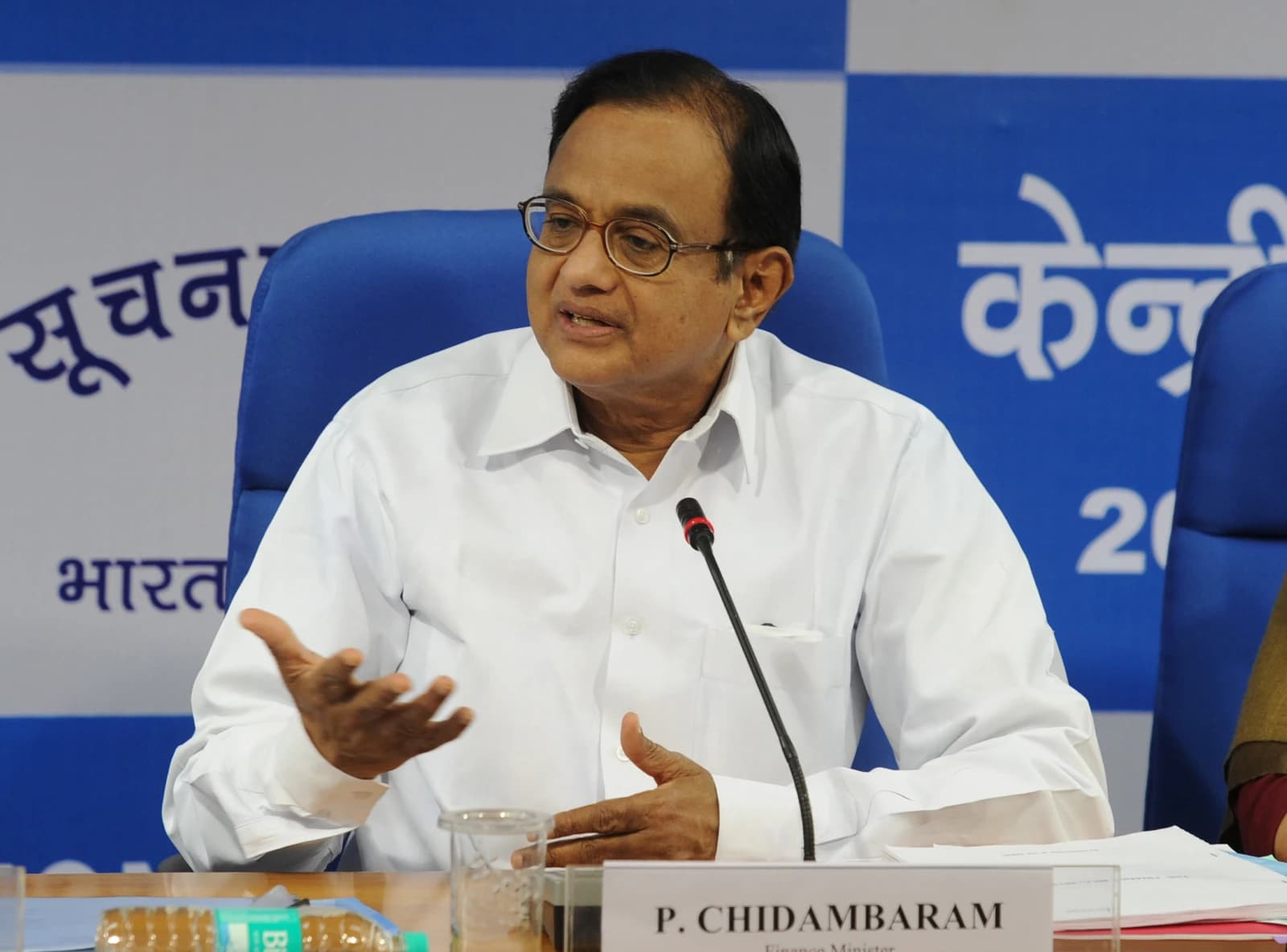
According to the official statement, Governor Faisal Karim Kundi met senior SIFC officials along with provincial representatives to discuss investment opportunities, industrial development and business activity in the province. The briefing covered the council’s role in coordinating between federal and provincial institutions, removing administrative and regulatory bottlenecks, and making the business environment more attractive for investors.
For long-term investors, the real story is not the meeting itself. It is the possibility that provincial land, industrial estates and special economic zones can finally be linked to a more coherent national investment framework. That is the kind of boring-but-essential reform that can compound over years, especially in a country where underused industrial capacity is part of the growth handicap.
Khyber Pakhtunkhwa has economic potential that has long been easier to talk about than to monetize. If the province can better use its special economic zones, improve industrial infrastructure and reduce red tape, the payoff could show up in higher private investment, more formal employment and stronger local business activity. That would be constructive not only for the province, but for Pakistan’s broader industrial base.
The broader implication is that Pakistan is still trying to replace ad hoc decision-making with a central facilitation model. The SIFC is meant to serve as a single coordination platform for business-friendly reforms, and this latest engagement suggests provinces are being drawn into that effort rather than left on the sidelines.
Still, investors should remain patient. These are enabling steps, not immediate earnings catalysts. The upside comes if talks like this translate into measurable approvals, operational zones, and real capital formation. If that happens, the reward could be durable. For now, the development is worth watching as part of Pakistan’s slow but important push to make investment easier and industrial growth more credible.
| Entity | Gains | Losses |
|---|---|---|
| Khyber Pakhtunkhwa province | ▲More investment prospects | ▼Old bottlenecks |
| SIFC | ▲Stronger policy relevance | ▼Perception of inertia |
| Private investors | ▲Easier approvals | ▼Regulatory friction |
| Local businesses/workers | ▲More activity and jobs | ▼Delay in reform payoff |