Kyrgyzstan’s latest policy patchwork shows up where investors and households feel it most: in coal exports, foreign capital, electricity access and public services that work only in parts.
Kyrgyzstan coal exports, power access and FDI gaps
Geopolitical Risk
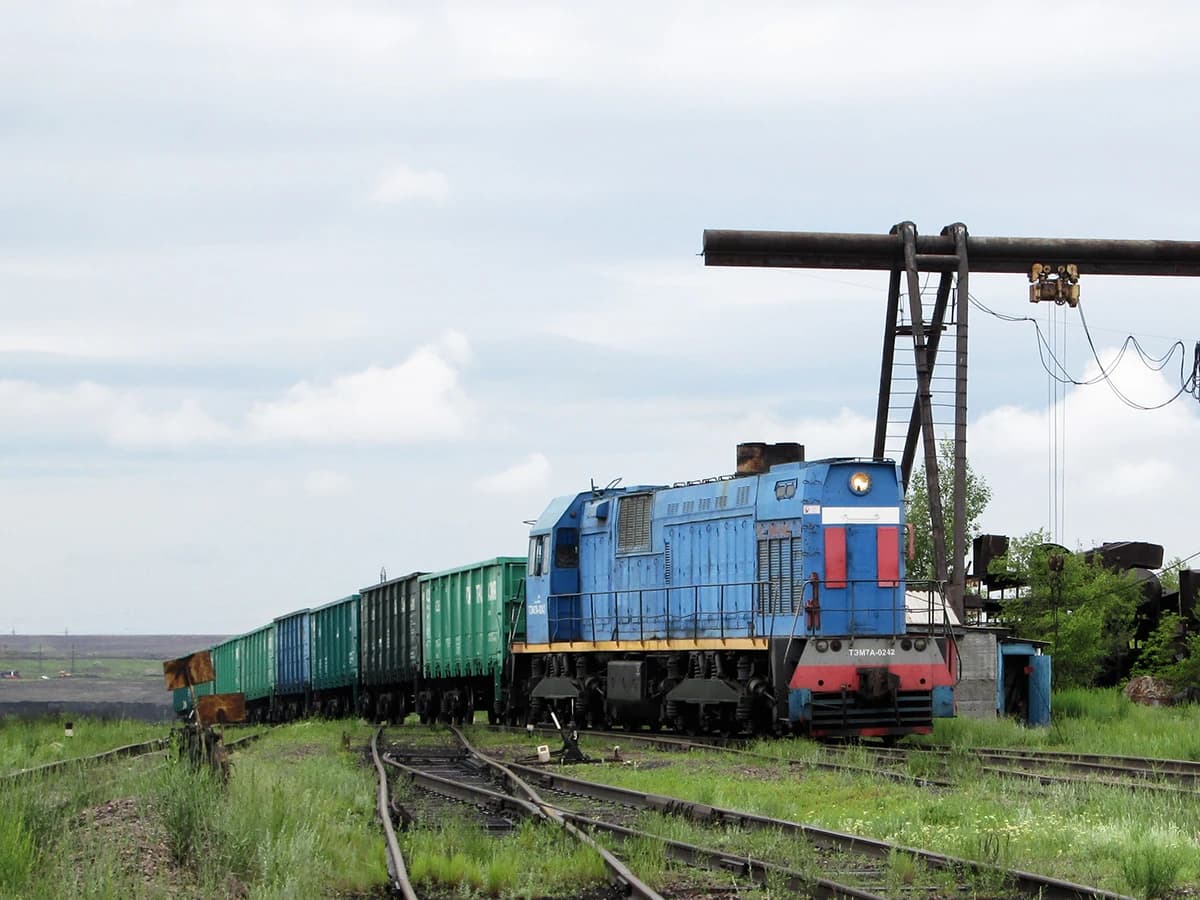
The state is trying to tighten control over the economy while carving out exceptions that reveal how uneven that control remains. A draft curb on coal exports, for example, would still exempt state-linked Kyrgyzkömür, while the energy ministry wants to lift the permitted household power connection to 7 kilowatts, but only for 276 apartment buildings in Bishkek. At the same time, a broader debate over foreign investment has highlighted that only about $1.3 billion of $8.4 billion in declared inflows qualified as direct investment, underlining the gap between headline capital and money that actually stays in the economy.
Sentiment Indicators
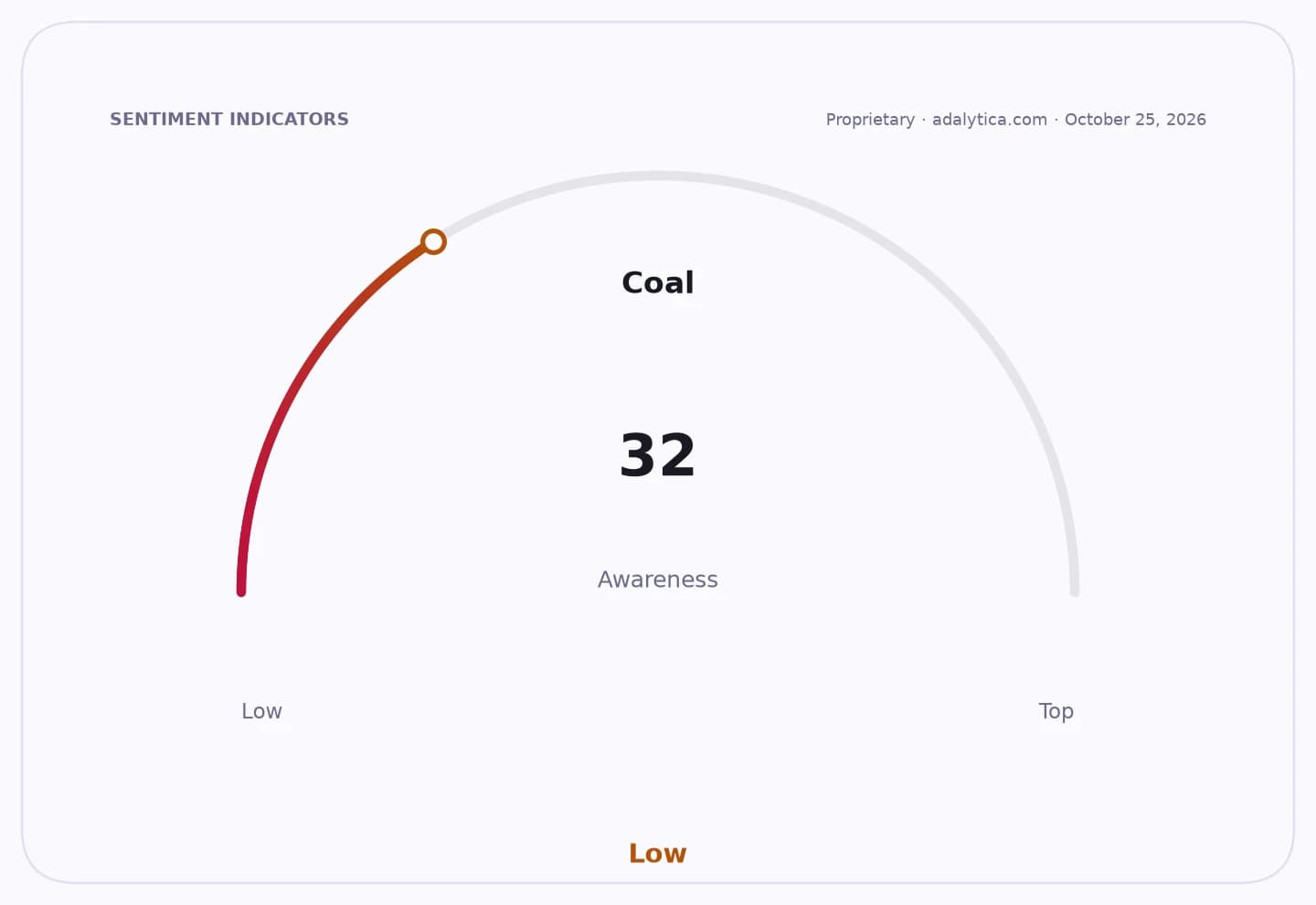
That matters because the same frictions show up in growth, fiscal reliability and investor confidence. Coal policy affects export earnings and domestic fuel supply, but selective exemptions point to a market where rules are still negotiated case by case rather than applied evenly. In power, a limited increase in connection capacity suggests the grid is constrained enough that authorities are rationing relief instead of rolling out a nationwide upgrade. For businesses and households, that raises the cost of planning and reinforces the impression that access to infrastructure depends on location and influence.
The investment numbers are equally telling. Large declared inflows are useful politically, but direct investment is what finances factories, equipment and long-term jobs. If most of the $8.4 billion does not translate into true foreign direct investment, the economy is not getting the productivity boost that normally comes with durable capital. For investors, that is a warning that reported inflows may overstate the country’s ability to absorb and retain outside money.
The rest of the cases in the program point to the same problem in public administration: rights and services exist on paper, but citizens often discover them only after pressure or luck. Free legal aid is now available in Talas, yet one resident only learned of it after appealing to the president. Teachers may be freed from non-teaching chores, but that leaves unanswered who will maintain schools. The common thread is not one policy failure, but a state that keeps issuing rules faster than it can enforce them uniformly.
That unevenness has investment consequences. Adalytica’s Global Stability Sentiment is neutral at 57, while the U.S. dollar gauge shows extreme fear and the S&P 500 signals remain neutral to greedy, a backdrop that suggests global capital is still selective rather than indiscriminate. In that environment, countries need credible institutions, predictable enforcement and infrastructure capacity to stand out. Kyrgyzstan’s challenge is that each exception reinforces the market’s suspicion that the rules are still negotiable.
If the government wants more private capital and better energy reliability, it will need to move from selective fixes to systemwide implementation. Until then, coal, electricity and investment will keep telling the same story: the rules exist, but not fully for everyone.
| Entity | Gains | Losses |
|---|---|---|
| Kyrgyzkömür | ▲Export flexibility | ▼Competitive neutrality |
| Households in Bishkek | ▲Higher power capacity | ▼Uneven rollout |
| Foreign investors | ▲Policy clarity if reforms deepen | ▼Confidence in enforcement |
| Citizens seeking services | ▲Access to rights on paper | ▼Predictable implementation |