India’s newsprint makers are asking Prime Minister Narendra Modi to step in as coal shortages squeeze mills, drive up costs and threaten domestic paper supplies to publishers.
India newsprint makers seek coal supply relief
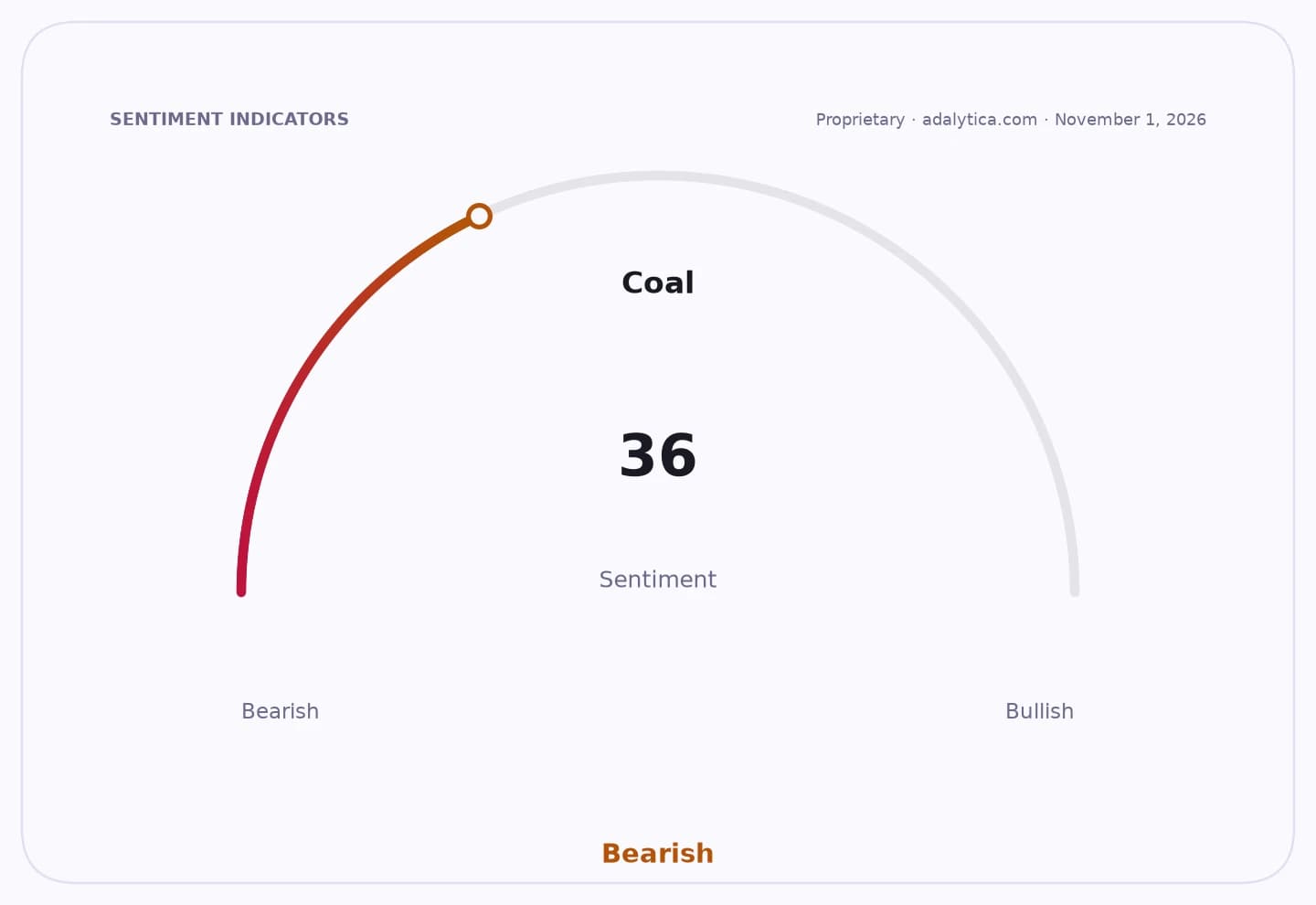
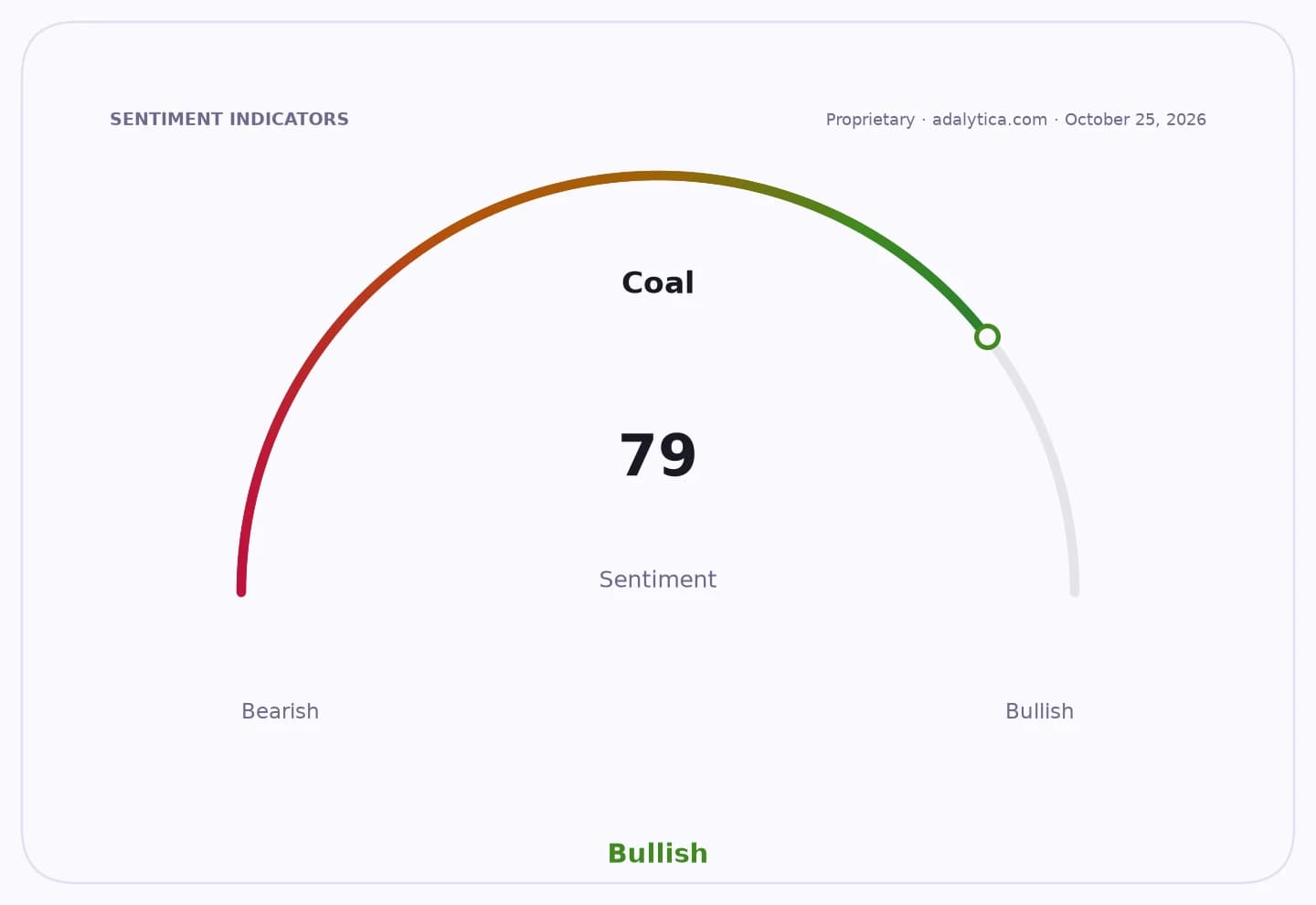
Coal
The Indian Newsprint Manufacturers’ Association said persistent irregular dispatches under existing fuel supply agreements with Coal India subsidiaries are preventing plants from receiving coal rakes on schedule, forcing some producers into the open market at “exorbitant” prices and onto higher-cost grid power to keep operating. The group said the supply gap is creating working-capital strain, storage problems and transport bottlenecks, and could force production cuts if it persists.
Sentiment Indicators
The shortage matters beyond one industrial segment because newsprint is a key input for India’s print media industry, and any disruption can ripple through publishers, printers and distributors already facing tight cost control. INMA also wants the government to enforce the Cabinet Committee on Economic Affairs’ recommended 75:25 coal allocation split between the power and non-power sectors, saying more than 95% of coal is being directed to power plants.
That imbalance is central to the complaint: newsprint mills have long-term fuel supply agreements with subsidiaries including Northern Coalfields, Central Coalfields, South Eastern Coalfields and Western Coalfields, but still say they are not getting contracted supply. For investors, the issue is a warning that higher energy costs and erratic raw-material flows can hit margins and output even in businesses that are not directly tied to power generation.
The broader backdrop is a coal market still under strain, with India’s power system and industrial users competing for supply. Coal shortages have already been cited across the economy as a risk to manufacturing and electricity generation, and the latest plea from newsprint makers adds another sign that non-power sectors are being squeezed hardest.
For listed paper and print-linked companies, the near-term risk is further cost pressure and potentially weaker volumes if mills cannot secure steady coal deliveries. The next catalyst is government action on allocation priorities and dispatch discipline from Coal India units, which will determine whether the shortages ease or deepen.
| Entity | Gains | Losses |
|---|---|---|
| Power plants | ▲Higher coal priority | ▼Non-power sector supply |
| Newsprint mills | ▲Possible government relief | ▼Margins and production |
| Publishers/print media | ▲Stable paper supply if resolved | ▼Higher newsprint costs |
| Coal India subsidiaries | ▲Steadier policy support | ▼Pressure over dispatch shortfalls |