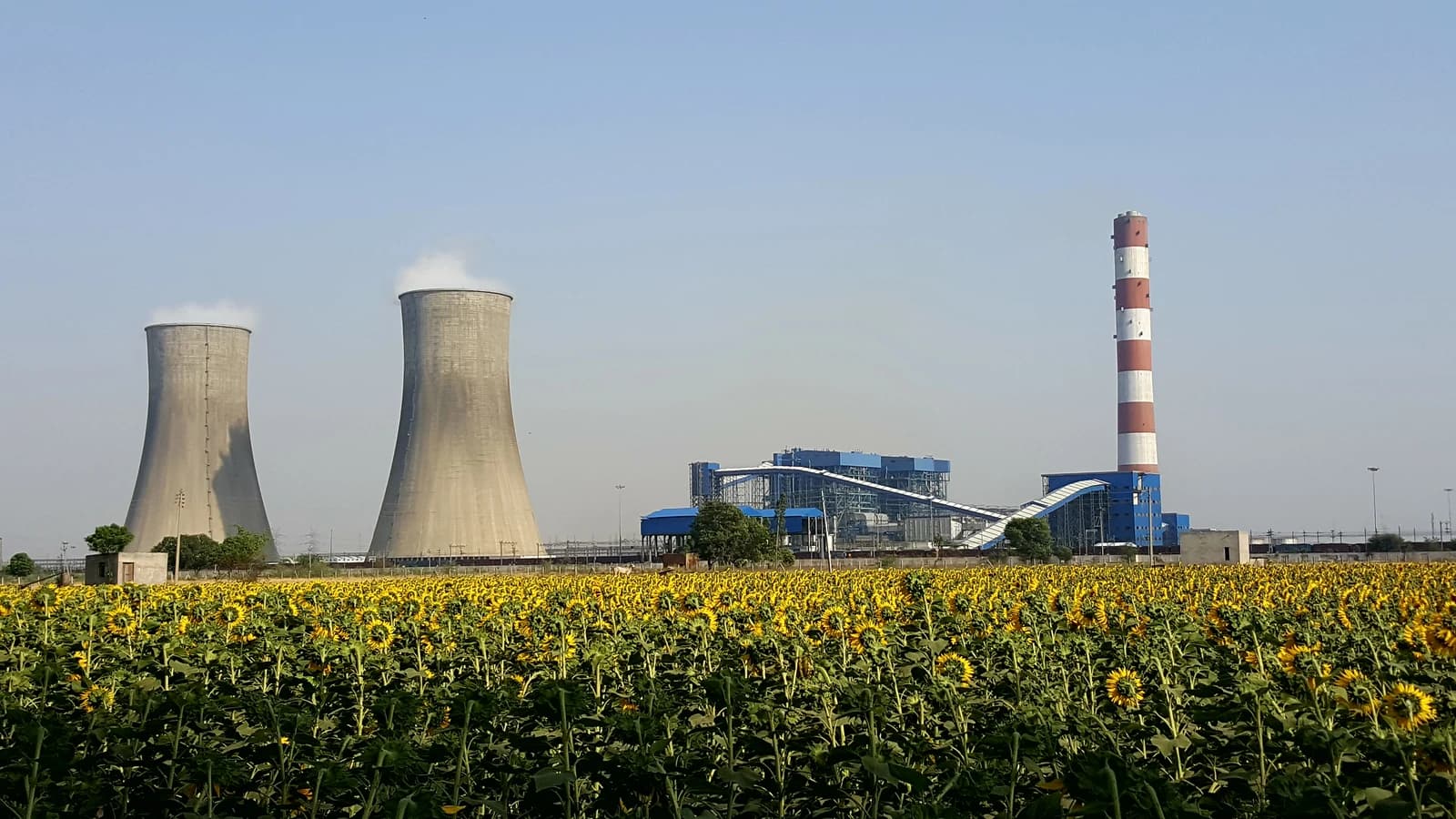
Andhra Pradesh’s thermal power system is running on a razor-thin coal cushion, with APGENCO plants holding enough fuel for only about three days of generation at current burn rates, raising the risk of disruptions to electricity supply if fresh shipments do not arrive quickly.
APGENCO Coal Stocks Fall to Three-Day Supply
Coal
The shortage matters because coal still anchors the state’s power mix and any slip in supplies can force utilities to curtail output, lean on costlier alternatives or buy more power from the market. That can lift generation costs just as demand swings with heat, irrigation load and industrial activity.
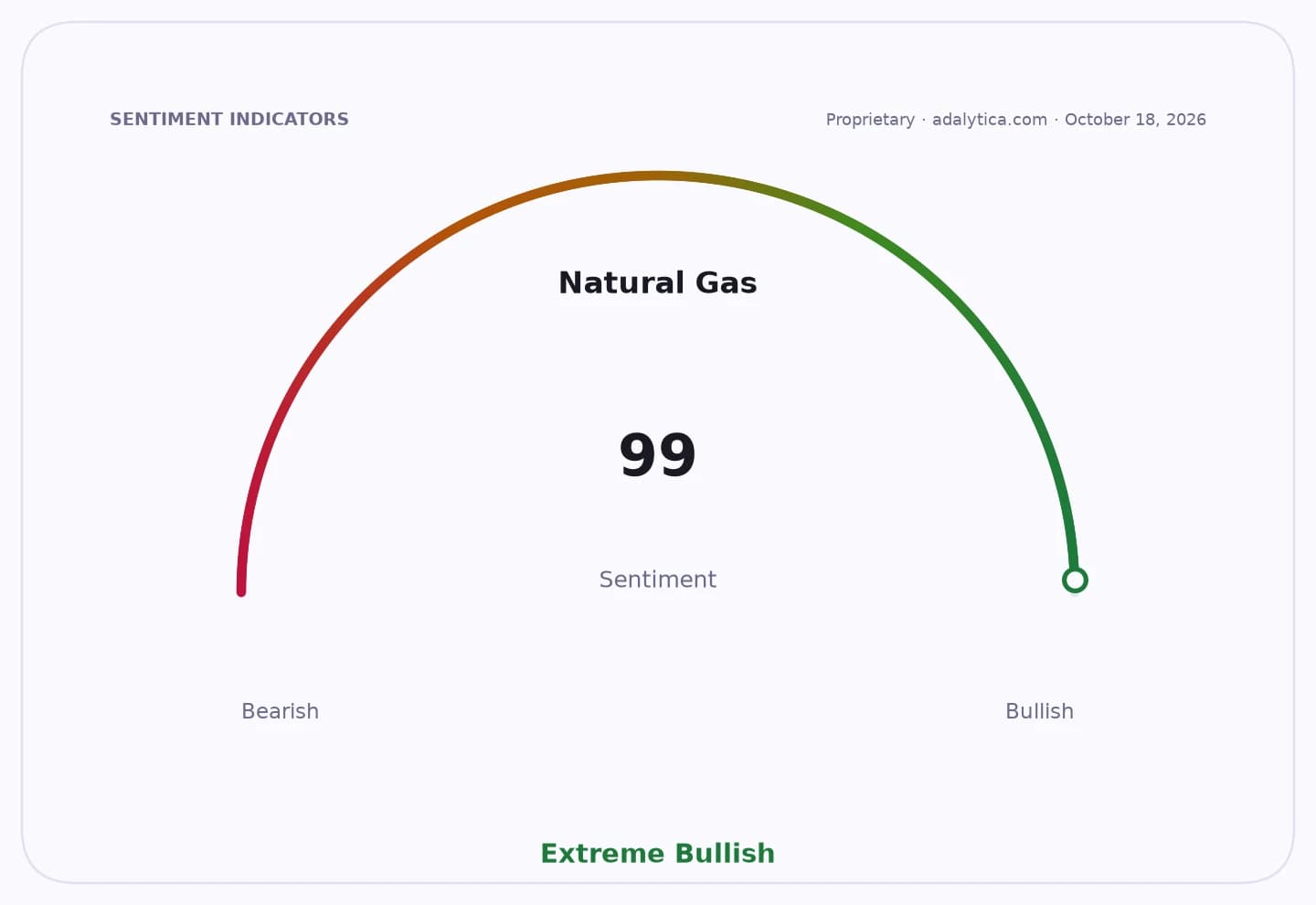
Sentiment Indicators
Across APGENCO’s three coal-fired stations, stocks total 2.26 lakh tonnes against a daily requirement of 6,610 tonnes. That is just 10.3% of the 21-day inventory norm the plants are supposed to maintain, according to the data cited by local reports.
The pressure is most acute at Krishnapatnam Thermal Power Station, which has only 40,700 tonnes in stock, or 6.06% of the 6.72 lakh tonnes needed for 21 days. Rayalaseema Thermal Power Plant has 1.16 lakh tonnes versus a 21-day requirement of 8.82 lakh tonnes, while Kadapa Thermal Power Station holds 68,900 tonnes against a norm of 5.87 lakh tonnes.
State officials said they are planning coal imports to rebuild inventories and are monitoring the situation daily. The scramble comes as coal shortages have tightened power systems elsewhere in India as well, with low reserves already feeding concerns about blackouts and higher spot power costs.
For investors, the immediate focus is on whether the state can secure supplies without resorting to expensive emergency procurement. Any prolonged shortage would likely pressure APGENCO’s operating efficiency and raise the odds of higher power purchase costs for the state, while keeping the broader Indian coal and power trade in focus.
Coal equities have been volatile alongside the supply crunch. Adalytica’s Coal Fear & Greed Index currently sits at 36, in neutral territory but with extreme fear on awareness, underscoring how quickly sentiment can swing as shortages and import needs intensify.
The key risk now is execution: if import cargoes or domestic deliveries lag, Andhra Pradesh may have to trim generation or buy more power at higher prices, turning a fuel logistics problem into a broader electricity cost shock.
| Entity | Gains | Losses |
|---|---|---|
| Coal suppliers | ▲Higher demand for spot cargoes | ▼— |
| APGENCO / Andhra Pradesh utilities | ▲— | ▼Higher fuel costs, supply risk |
| Independent power sellers | ▲Potentially stronger power purchase demand | ▼Demand uncertainty if AP cuts output |
| Coal import traders | ▲More urgent procurement opportunities | ▼Logistical pressure and tighter margins |