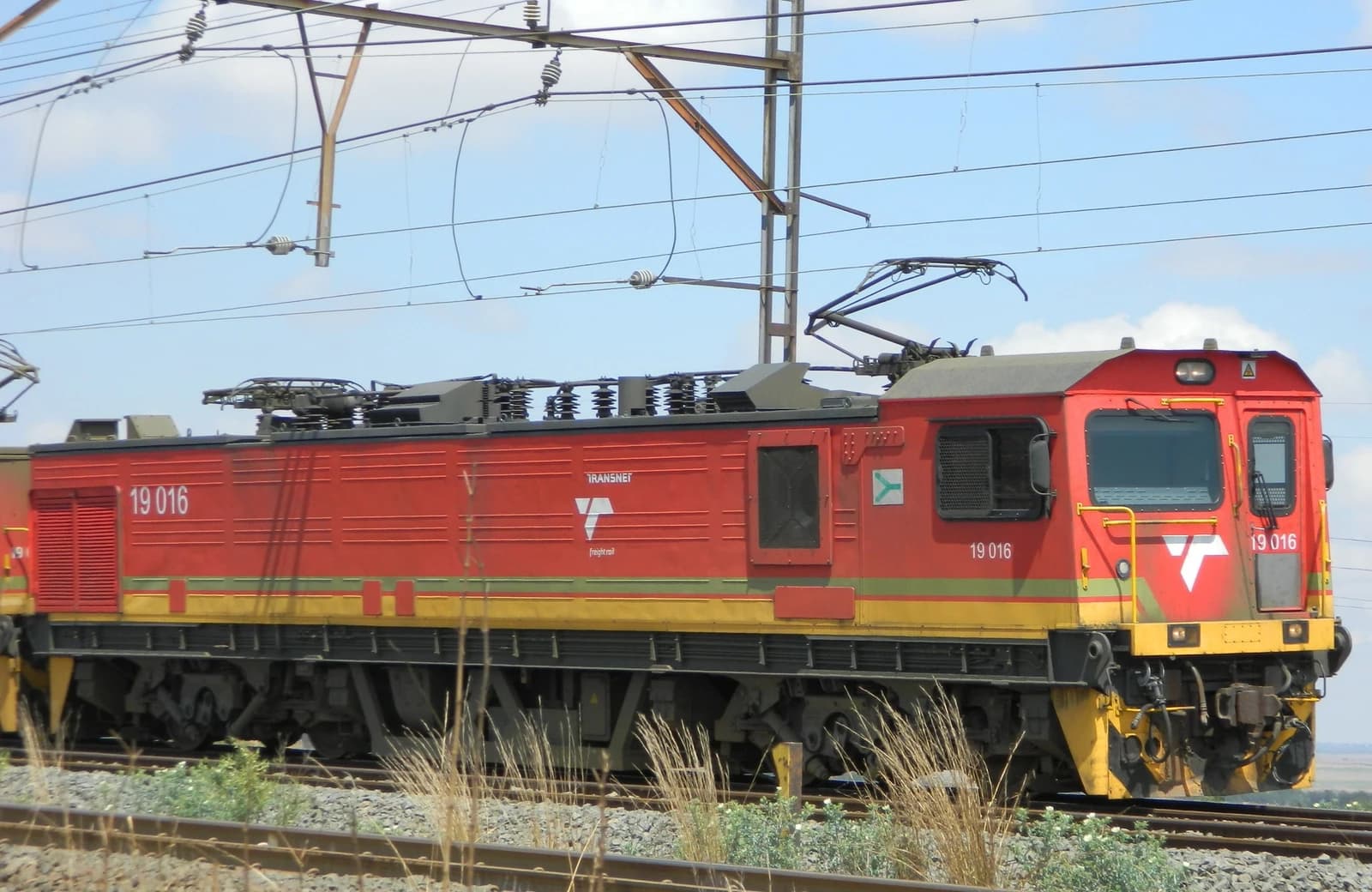
Commercial goods moving through Afghanistan’s rail network have more than doubled in the first half of the year, a sign that the country is becoming a more important overland corridor for regional trade at a time when shippers are looking for alternatives to slower, costlier routes.
Afghanistan rail freight more than doubles in H1
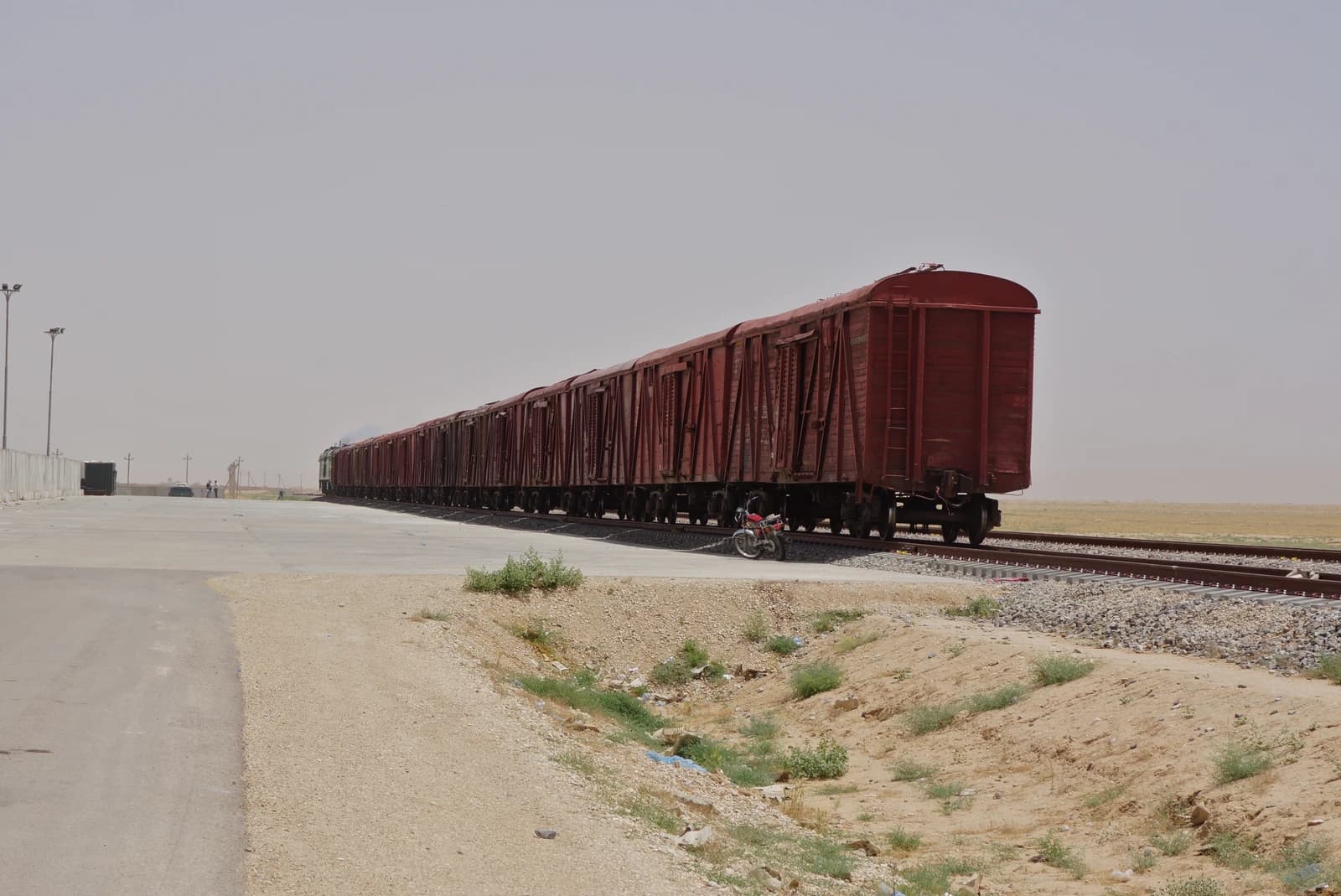
The Transportation Ministry said rail freight reached 4.89 million metric tons in the first six months of the year, up from 2.18 million tons in the same period last year. That kind of growth matters because rail is one of the few infrastructure assets in Afghanistan that can directly support imports, exports and transit trade, while also lowering logistics costs for neighbors and merchants willing to use the route.
Sentiment Indicators
The mix of cargo shows why the trend is economically meaningful. Fuel, liquefied gas, wheat, flour and other food products are arriving by rail, while dry fruit, carbonated drinks, minerals, cotton and other domestic products are moving out to regional markets. In other words, the railway is doing more than shifting boxes around; it is helping connect Afghanistan’s economy to surrounding supply chains in both directions.
For investors, the story is less about a single railroad operator than about the broader economics of connectivity. More freight movement can support demand for locomotives, rolling stock, terminals, warehousing and border logistics, while also reducing friction for exporters and importers across Central and South Asia. In a region where road transport can be disrupted by weather, security risks or border delays, rail offers a more scalable and predictable channel for trade.
The jump also fits a wider regional push to improve transport links and integrate markets. Gulf states have been advancing plans for a shared rail network of their own, underscoring how governments across the broader region are treating rail as strategic infrastructure rather than just a public works project. The common theme is the same: countries want faster trade flows, lower logistics costs and more control over how goods move.
There are still clear risks. Afghanistan’s rail network remains limited, and sustained gains will depend on border cooperation, security conditions, maintenance and continued demand from trading partners. But the direction of travel is encouraging. If the current pace holds, rail could become a more durable part of Afghanistan’s trade story, and that would make the network worth watching for anyone focused on long-term infrastructure and regional commerce.
| Entity | Gains | Losses |
|---|---|---|
| Afghanistan rail network | ▲Higher freight volumes | ▼Capacity strain |
| Afghan exporters/importers | ▲Lower logistics friction | ▼Road transport dependence |
| Regional trading partners | ▲Faster overland trade | ▼Competing routes and delays |
| Road-haul operators | ▲— | ▼Share of cargo volumes |