Transnet Freight Rail’s 696-wagon iron-ore run is more than a headline-grabbing milestone: it is a direct signal that South Africa’s mining logistics system is trying to claw back reliability and throughput on one of the country’s most economically important export corridors.
Transnet Freight Rail Sets 696-Wagon Iron Ore Record
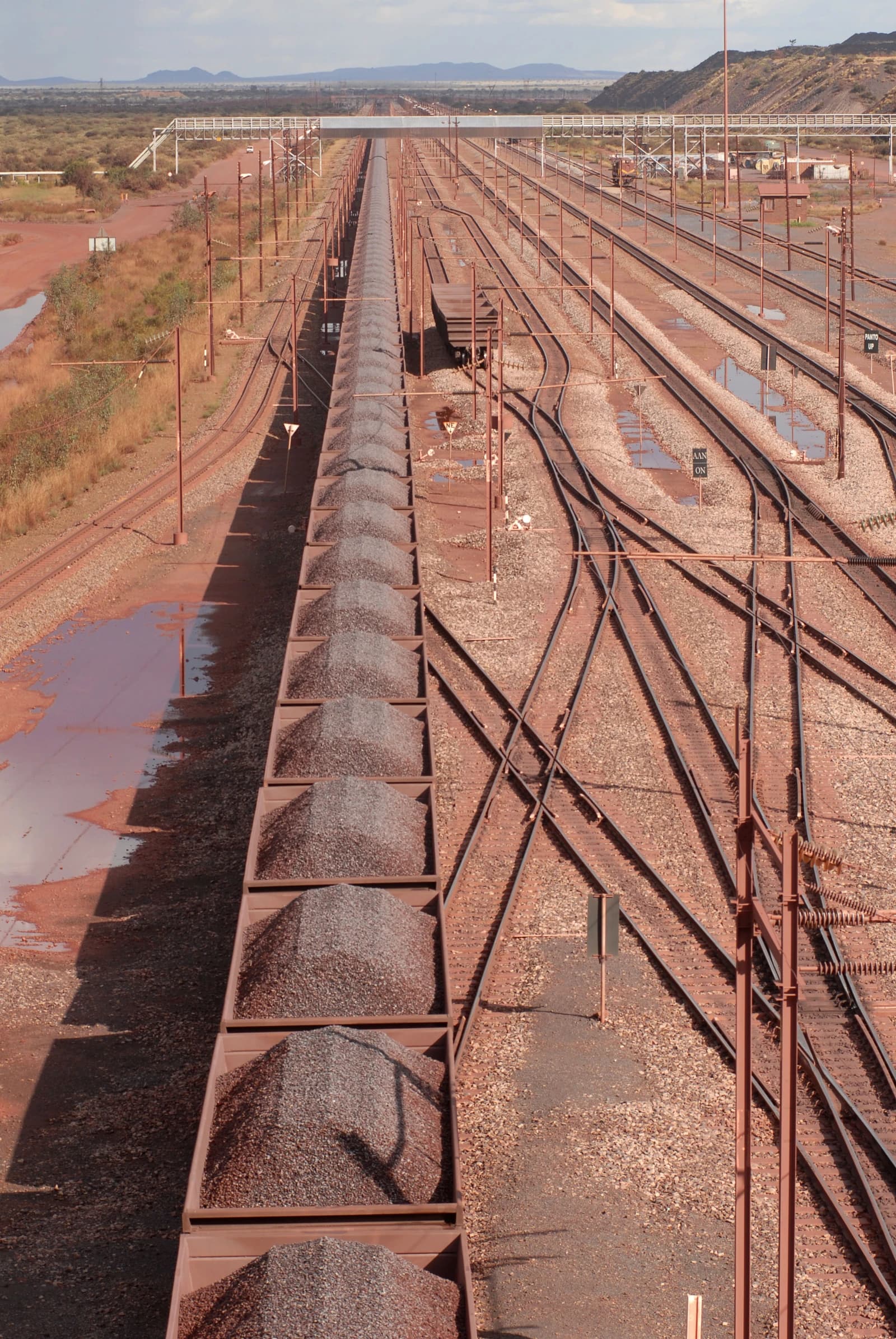
The empty train, which travelled from Saldanha Bay in the Western Cape to the Northern Cape and reached Loop 18 on Oct. 18, set a global freight rail record and was designed as a dynamic evaluation of train handling, signalling and infrastructure limits on the Iron Ore Export Line. For an economy that relies heavily on bulk mineral exports and for miners that have been constrained by rail bottlenecks, the test matters because rail capacity is one of the clearest determinants of export volumes, port utilisation and foreign-currency earnings.
Sentiment Indicators
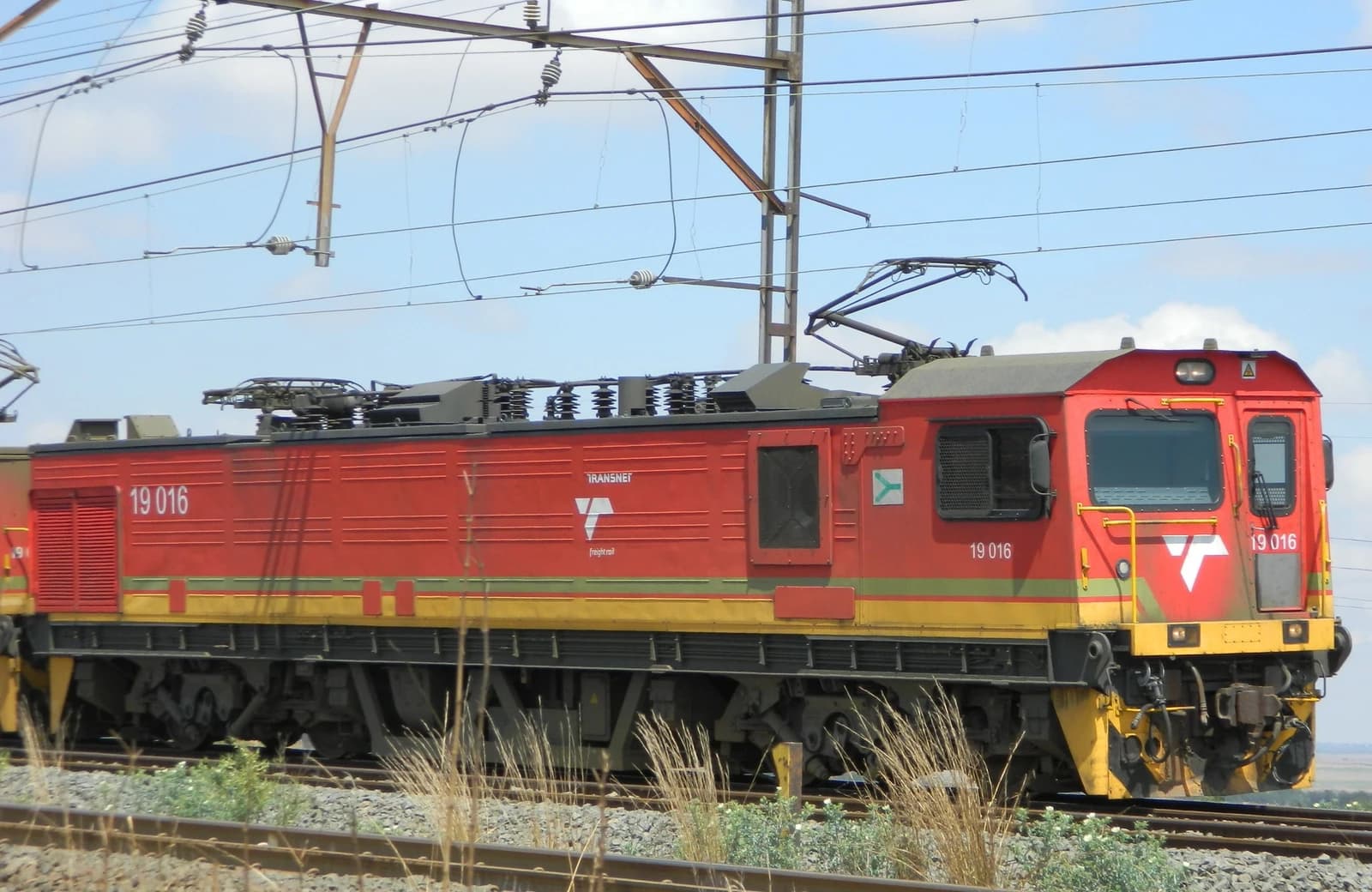
Transnet said the exercise was led by its train design and operations teams with Transnet Engineering, the Transnet Rail Infrastructure Manager and the Railway Safety Regulator, underscoring that the achievement was as much about systems engineering as spectacle. The train used 696 empty CR13/14 wagons in a radio distributed power configuration, hauled by Class 15E electric and Class 43D diesel-electric locomotives. Distributed power lets locomotives positioned through the consist move traction and braking forces more evenly across the train, reducing stress on rolling stock and track — a crucial issue on long-haul bulk corridors where failure rates, speed restrictions and maintenance backlogs can quickly cap throughput.
That is why the record has investor relevance well beyond South Africa’s rail sector. Bulk miners, iron-ore exporters, port operators and even the government’s fiscal outlook all benefit if Transnet can convert engineering progress into consistent operating performance. The country has struggled for years with freight rail underperformance, which has forced some miners to curb output or rely on more expensive alternatives. A corridor capable of handling longer and heavier trains would, in theory, lower unit transport costs and support export growth just as the global iron-ore market remains under pressure from softer demand and abundant supply.
The timing also matters. Iron ore prices have been under strain as demand fears, particularly around China, coincide with elevated supply. In that environment, logistics efficiency becomes a competitive lever: miners with lower delivered costs can better withstand price weakness, while producers facing higher freight costs are squeezed more quickly. South Africa’s rail record does not change commodity fundamentals, but it can improve the domestic cost structure that determines who survives a weak pricing cycle.
For Transnet, the run is also a credibility exercise. The company said the operation followed extensive planning, modelling and simulation, with data from the locomotive run now to be analysed against those models. That suggests the real objective is not just a world record, but a validation step for future train designs, operating procedures and infrastructure requirements. If the results show the corridor can safely and repeatedly handle longer consists, it could support a gradual lift in export line capacity and give shippers more confidence in dispatch reliability.
Still, the bull case depends on whether the demonstration can be replicated in routine service. Record runs do not automatically fix locomotives shortages, maintenance backlogs, signalling constraints or operational discipline. The bear case is that the achievement remains a controlled test on a carefully prepared route while the broader freight system continues to underdeliver.
For investors, the key watchpoint is whether this kind of technical progress begins to translate into higher tonnage moved, better rail service levels and ultimately stronger export execution for South African miners. Until then, the record is best read as evidence of latent capacity — and of how much economic value is still locked inside the country’s freight rail network.
| Entity | Gains | Losses |
|---|---|---|
| Transnet Freight Rail | ▲Technical credibility | ▼Pressure to deliver commercially |
| South African miners | ▲Lower logistics costs | ▼Bottlenecks if gains stall |
| Iron ore exporters | ▲Higher export capacity | ▼Weak pricing environment |
| Trucking/alternative logistics | ▲Less immediate spillover | ▼Lost freight share |