South Africa has begun a long-delayed overhaul of its Sishen-Saldanha iron ore rail corridor, a project aimed at restoring export reliability on one of the country’s most important mining arteries as weak logistics continue to cap shipments and pressure producers.
South Africa Starts Sishen-Saldanha Rail Overhaul
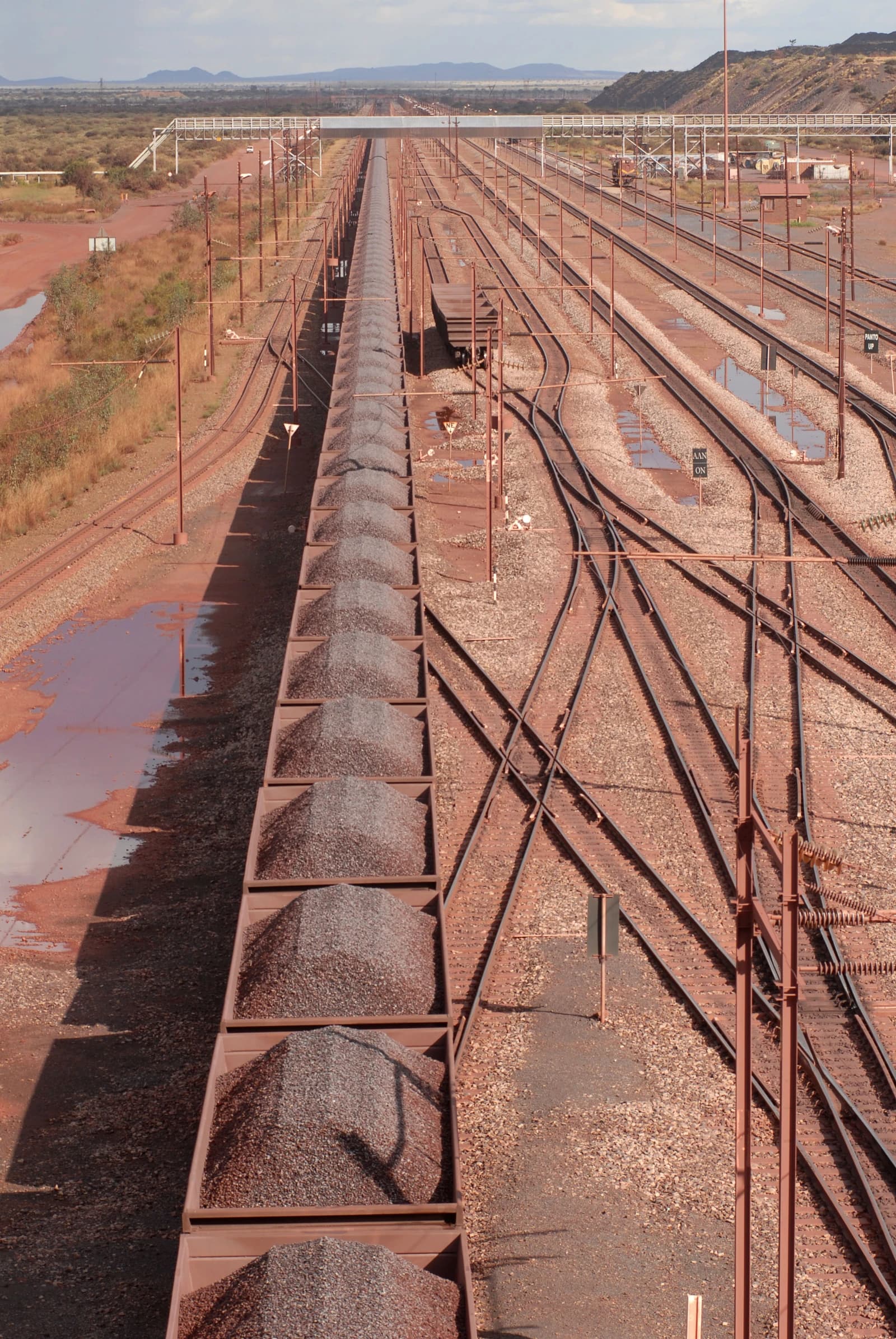
The 861-kilometre line, known as the Ore Export Line or OREX, links the Sishen mines in the Northern Cape to the deepwater port of Saldanha Bay on the Atlantic coast. Transport Minister Barbara Creecy said the refurbishment will cost 8.9 billion rand, or about $541 million, and run through 2030, with work covering track renewal, electrical and signalling upgrades and repairs to rolling stock.
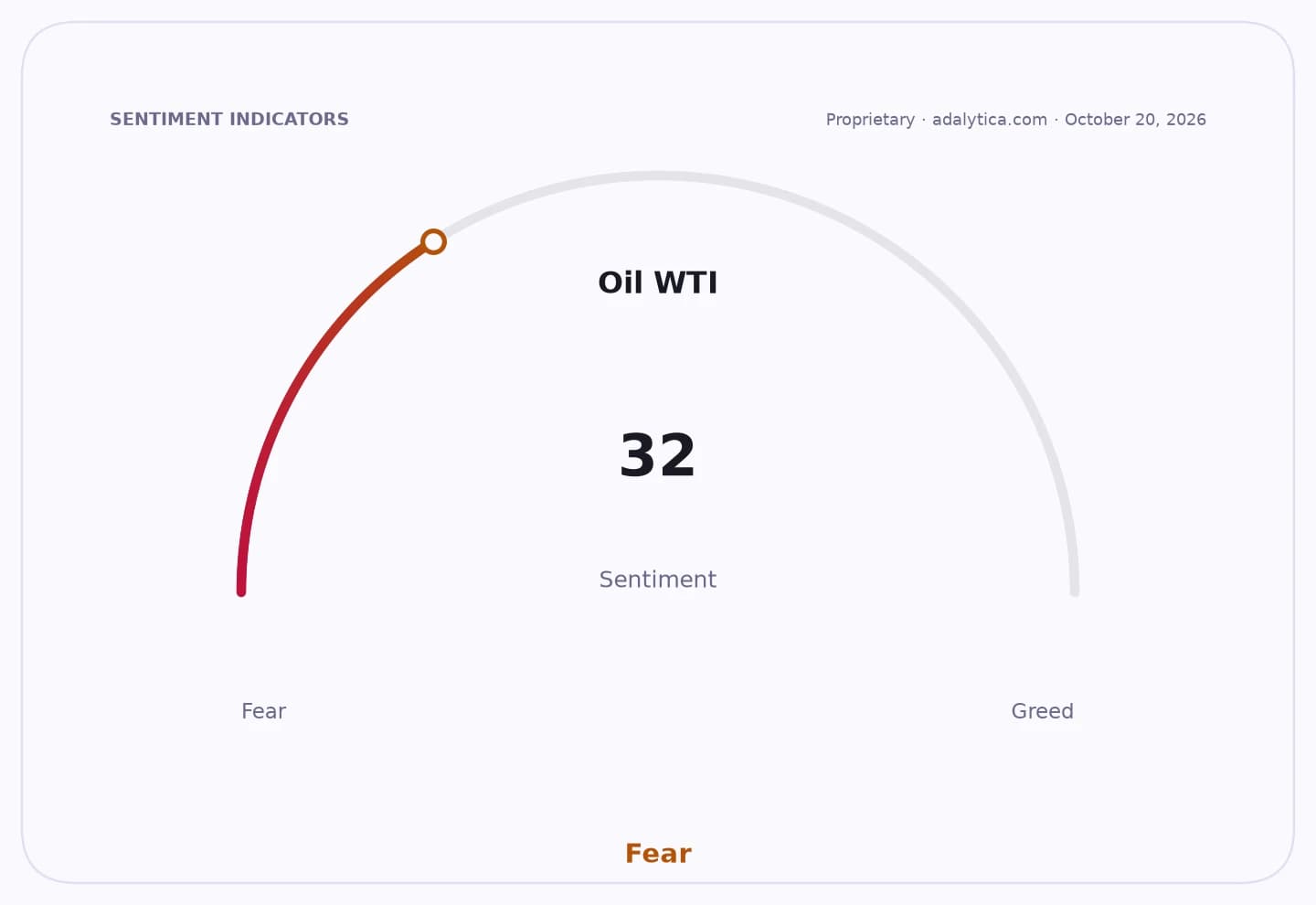
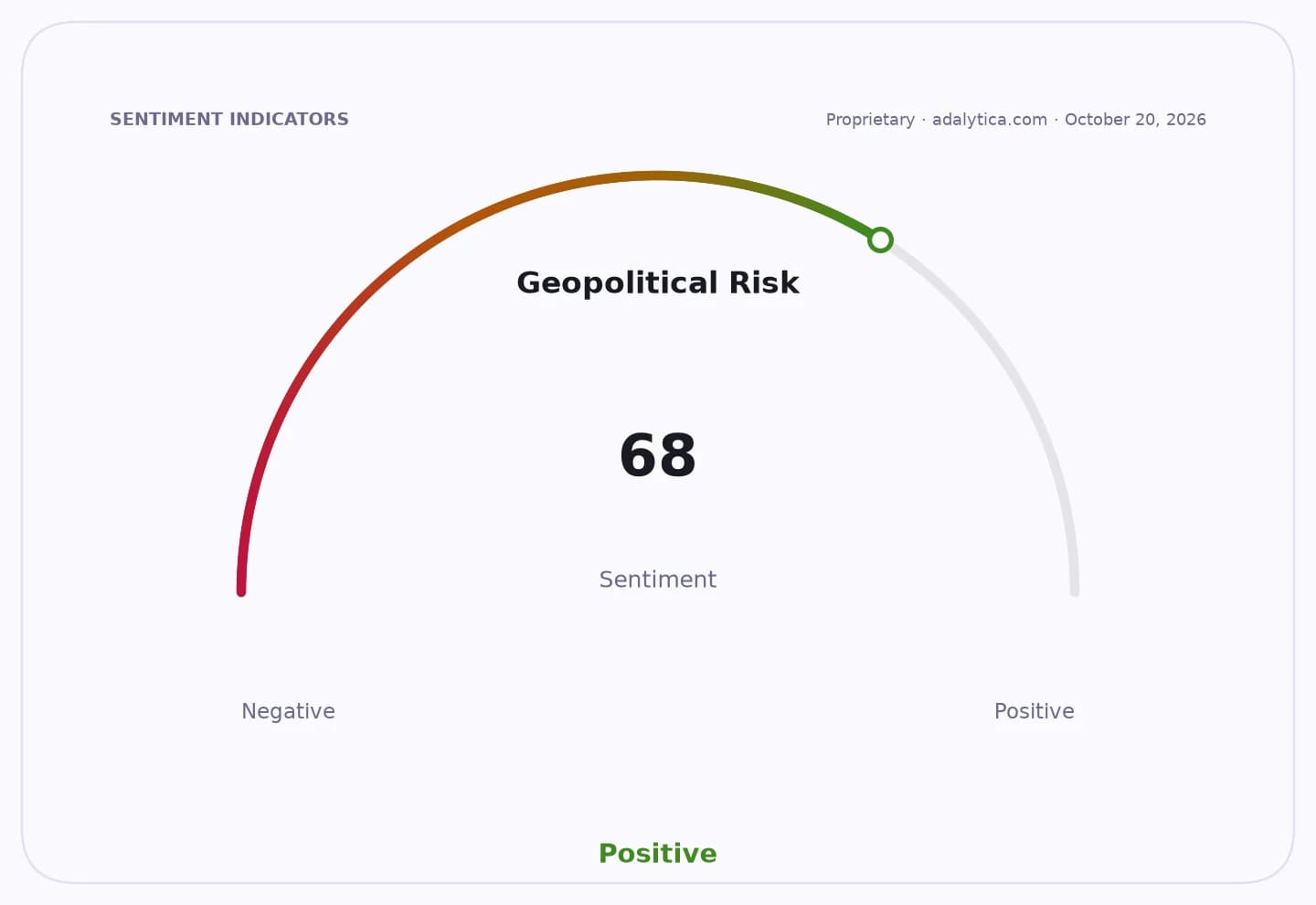
Sentiment IndicatorsⓘProprietary · adalytica.com · October 19, 2026
This is a snapshot — live sentiment, awareness and momentum for 130+ markets update continuously in the dashboard.Open AlphaPulse
The economic significance is straightforward: South Africa cannot fully monetise its iron ore endowment if rail capacity remains unreliable. Iron ore exports generated 110 billion rand in 2025, making the corridor a critical foreign-exchange earner and a key source of industrial activity and jobs. In a country where logistics bottlenecks have become a recurring drag on mining output, the rail project is less a discretionary upgrade than an attempt to recover lost throughput.
For investors, the repair programme matters because transport constraints have been one of the main reasons South African miners have underperformed what global prices alone would suggest. Iron ore freight depends on steady rail access to port, and disruptions translate directly into delayed shipments, higher working capital needs and weaker margins. That has implications for South African exporters, port operators and Transnet Freight Rail, which manages the line and has been under pressure to address maintenance backlogs accumulated over years.
The move also fits into a broader state push to open the rail network to private participation. Transnet said in May it would allocate slots on its network to 11 private companies, adding 24 million tonnes of freight capacity with potential expansion to 52 million tonnes over five years. In September it sought a private partner for the Ngqura manganese export corridor, a sign that the government is trying to leverage outside capital and expertise rather than rely solely on public balance sheets.
The timing is notable. The global iron ore market has softened, with prices sliding to their lowest since September 2024 amid concerns over demand and oversupply. That weak backdrop makes logistics improvements more important, not less: when prices are under pressure, the lowest-cost and most reliable exporters gain share, while producers facing rail or port delays are squeezed first.
For mining groups with exposure to South Africa, the renovation is a medium-term positive, but not an immediate fix. The work will take years, and the benefit depends on whether Transnet can keep maintenance disciplined and coordinate rail, port and rolling stock improvements. If it succeeds, the corridor could help stabilise export volumes and lift sector competitiveness. If not, the country risks leaving a strategic export route underused just as the iron ore cycle turns less forgiving.
| Entity | Gains | Losses |
|---|---|---|
| South African miners | ▲Better export reliability | ▼Ongoing freight bottlenecks |
| Transnet / government | ▲Higher corridor efficiency | ▼Pressure to deliver on repairs |
| Iron ore buyers | ▲More stable supply chain | ▼Less leverage from constrained shipments |
| Rival exporters | ▲None directly | ▼South Africa’s share losses if repairs succeed |