China is testing an autonomous robot in the Taklamakan desert that can extract iron-rich particles from sand, a development that could lower the cost of recovering minerals from arid regions and widen the options for raw-material supply at a time when steel and mining groups are trying to secure feedstock.
China desert mining robot tests iron extraction
The four-meter tracked machine uses powerful rare earth magnets to separate iron from desert sand and can carry up to 500 kilograms, according to the project description. That matters because iron ore remains the backbone of steelmaking, and any technology that turns abundant desert sand into a usable mineral stream could reshape how and where resources are mined.
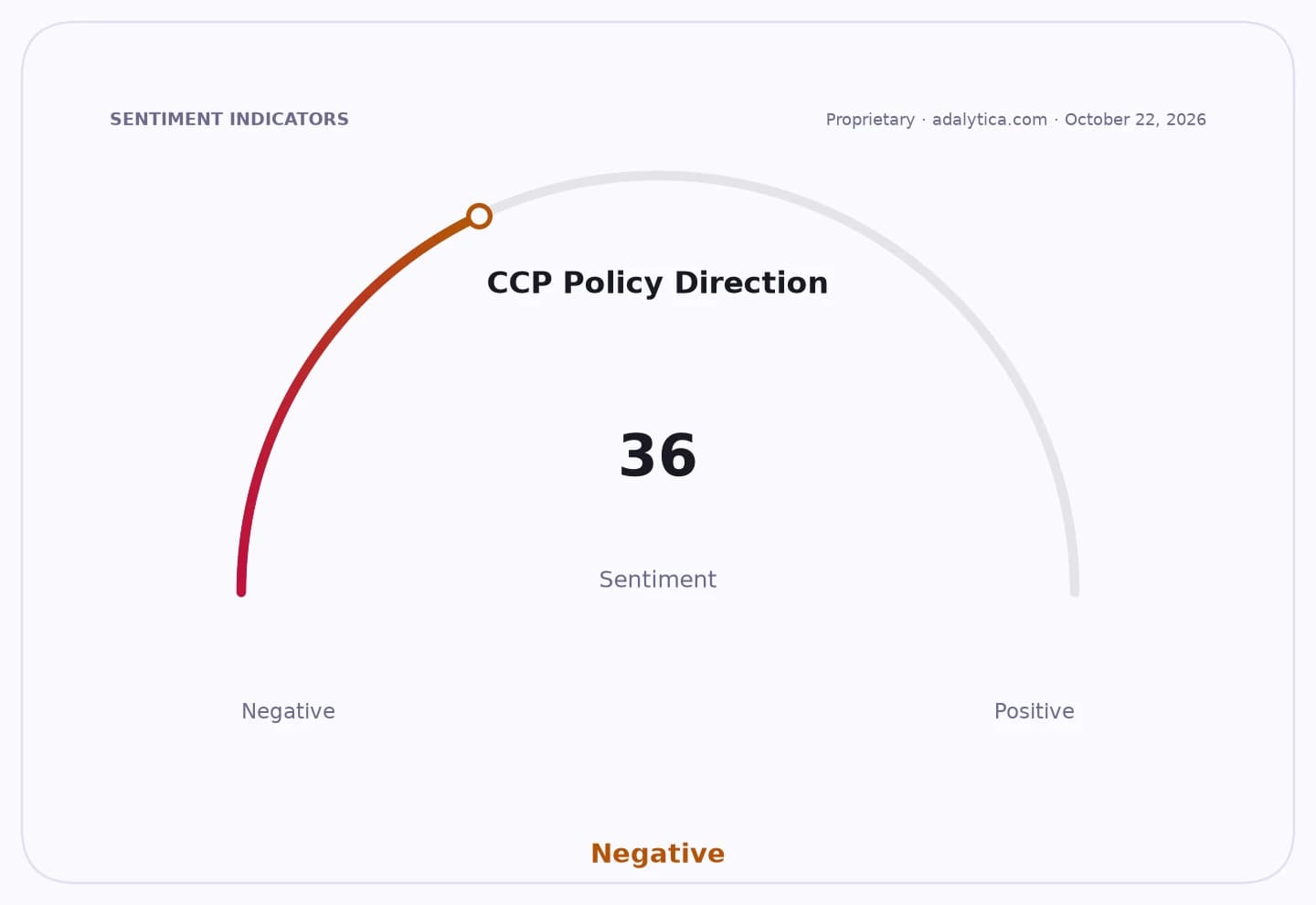
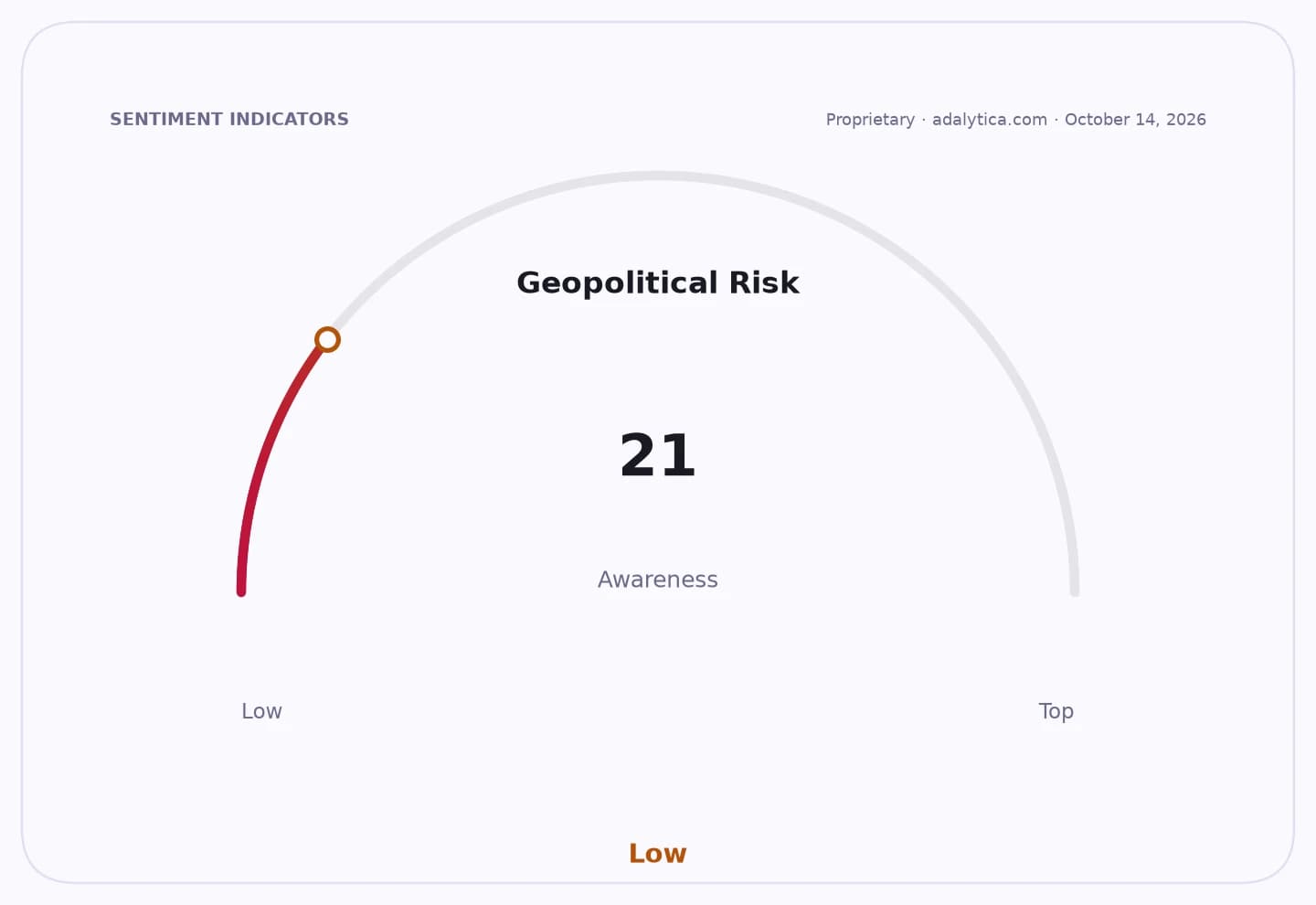
Sentiment IndicatorsⓘProprietary · adalytica.com · October 22, 2026
This is a snapshot — live sentiment, awareness and momentum for 130+ markets update continuously in the dashboard.Open AlphaPulse
For investors, the immediate implication is less about near-term sales than about the competitive pressure on traditional miners and equipment suppliers. If the system scales beyond a test stage, it could eventually improve recovery rates, reduce labor intensity and extend the economic life of marginal deposits in harsh environments, while also reinforcing China’s push to innovate in strategic materials.
The timing also fits a broader resource narrative. China is still leaning on industrial output, while its demand for iron ore and steelmaking coal remains a key support for global miners. BHP, Rio Tinto and Freeport-McMoRan have all recently pointed to resilient commodity demand and long-cycle infrastructure themes such as AI data centers, even as their shares have sold off sharply in October.
Rio Tinto’s U.S.-listed shares have fallen to $83.85 from more than $106 in late August, while BHP has dropped to $77.68 from $96.58 and Freeport-McMoRan to $64.25 from $74.19. The weakness has been accompanied by deteriorating momentum on standard technical indicators, with all three now trading below their 50-day moving averages and showing oversold RSI readings, underscoring how sensitive miners remain to shifts in the iron ore and broader industrial cycle.
Macro data points in the same direction. U.S. producer prices for crude materials, including iron ore, are projected at 292.7 in October after 295.7 in September, while industrial production is seen edging up to 104.05. At the same time, oil above $113 a barrel is keeping pressure on heavy industry and transport costs, adding another reason miners and steelmakers are watching for efficiency gains.
The bigger question is whether China’s desert robot becomes a laboratory curiosity or a scalable extraction tool. If it proves viable, it could support more automated mining in remote regions and give Beijing another lever in the contest over strategic minerals, while putting a longer-term cap on the pricing power of conventional iron ore producers.
| Entity | Gains | Losses |
|---|---|---|
| China's mining sector | ▲Cheaper desert extraction | ▼Higher upfront R&D costs |
| Steelmakers | ▲Potentially lower feedstock costs | ▼Near-term supply uncertainty |
| BHP, Rio Tinto, FCX | ▲Long-term demand still solid | ▼Automation threat to legacy mining |
| Traditional iron ore miners | ▲— | ▼Margin pressure if tech scales |