Iron ore’s slide to a more than two-year low is a warning shot for the global industrial cycle, because when the steel-making ingredient weakens this sharply, it usually means China’s construction and manufacturing demand is not doing enough to absorb supply.
Iron Ore Falls to Two-Year Low on Weak China Demand
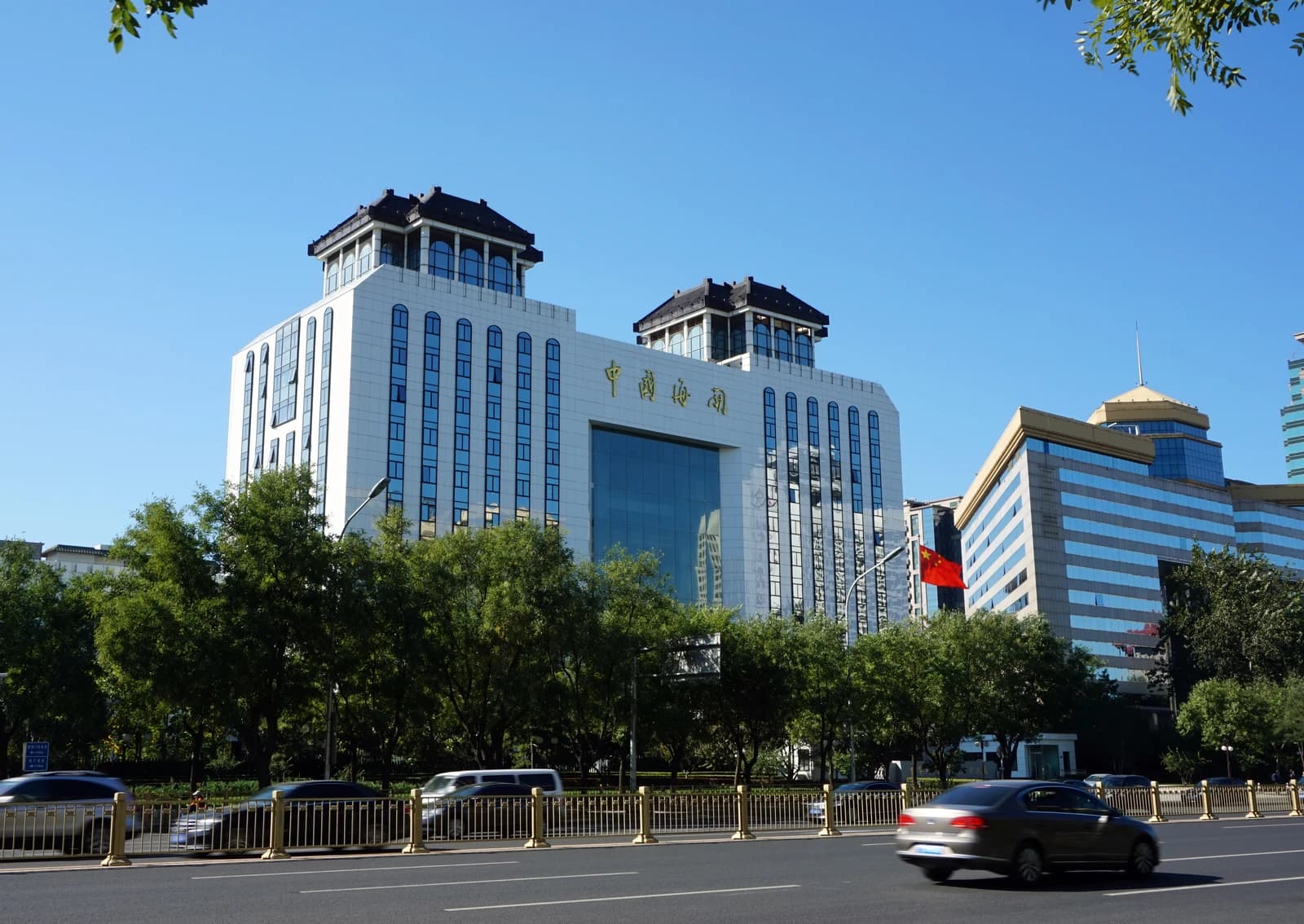
That matters well beyond commodity screens. Iron ore is still one of the clearest real-time gauges of Chinese growth, and its third straight decline to the weakest level since September 2024 suggests steel mills are not stepping in with enough urgency to offset a market that remains well supplied. Reuters said prices have been pressured by persistent worries over weak demand in the world’s biggest consumer, even after a recent bounce driven by bargain buying and slightly better steel margins.
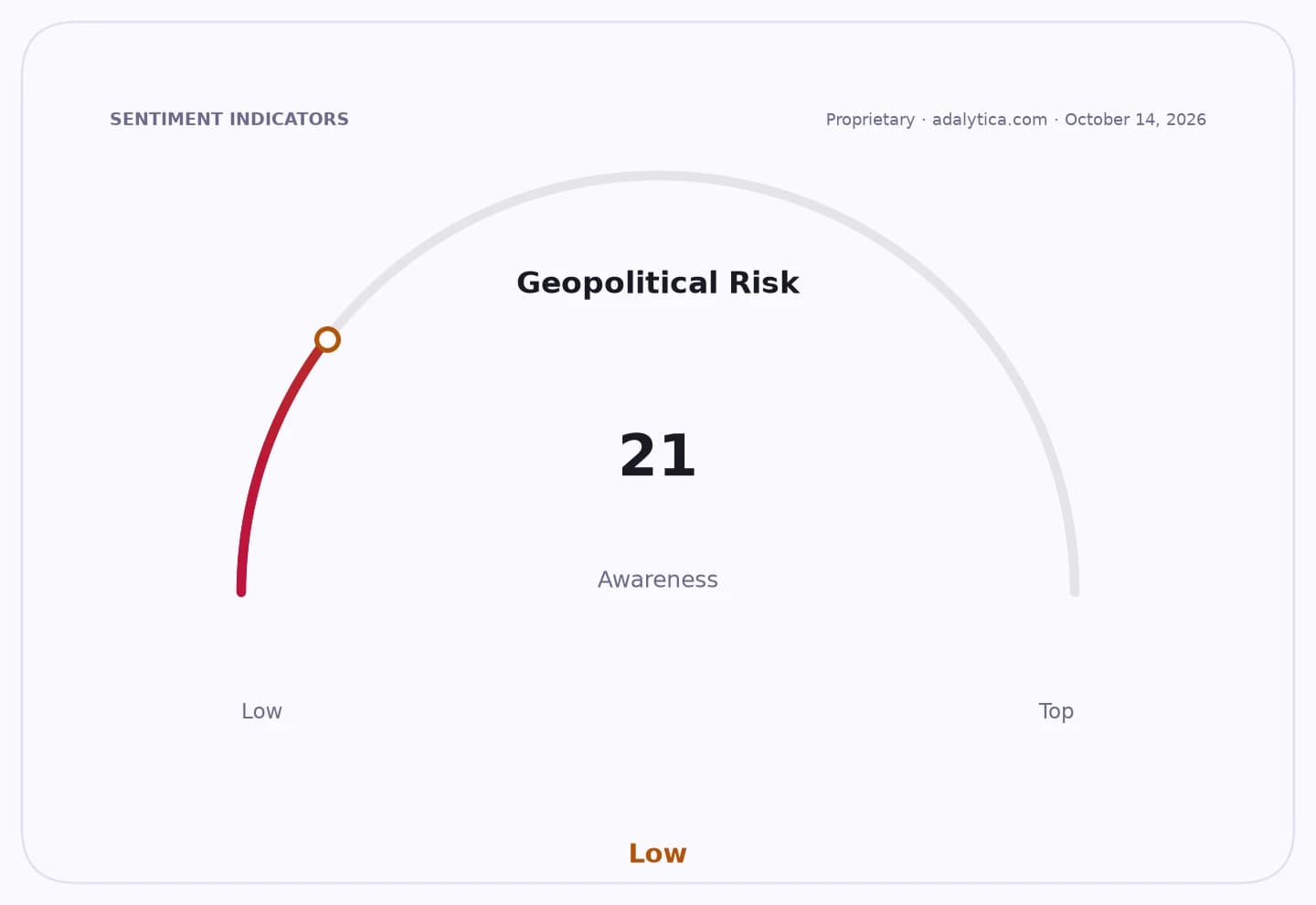
Sentiment IndicatorsⓘProprietary · adalytica.com · October 17, 2026
This is a snapshot — live sentiment, awareness and momentum for 130+ markets update continuously in the dashboard.Open AlphaPulse
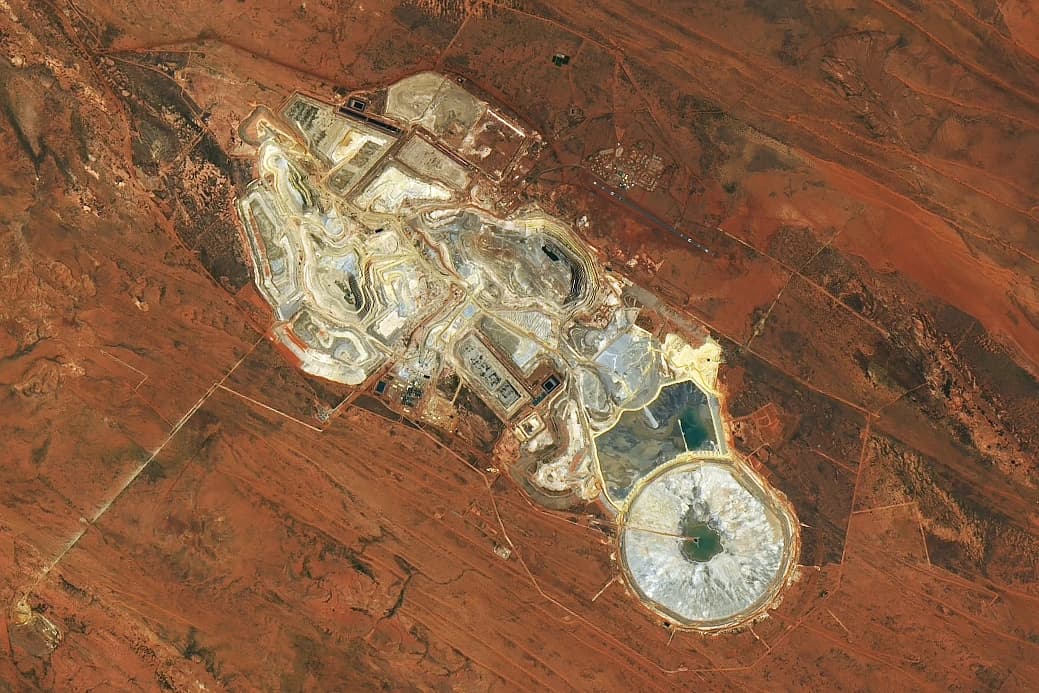
For investors, the message is twofold. First, the earnings outlook for the big miners becomes more sensitive to price swings, even for the lowest-cost producers. Rio Tinto, BHP and Vale all trade as leveraged plays on iron ore cash generation, and their shares have already been moving lower as the commodity softens. Rio Tinto closed at $90.32 on Oct. 16, down from $106.81 in late August, while BHP ended at $83.29 and Vale at $13.06, both well below recent peaks. The technical picture on those stocks has also weakened, with Rio and BHP trading below their 50-day and 200-day moving averages, and Vale slipping back under both as momentum cooled.
Second, the slump highlights how fragile the recovery narrative still is for China. Adalytica’s China growth-target sentiment gauge was neutral at 46 on Oct. 16 after turning sharply lower earlier in the week, while its currency trade-signal snapshot showed extreme greed for the yuan. That combination points to a market still trying to reconcile hopes for policy support with harder evidence that the industrial backdrop remains soft.
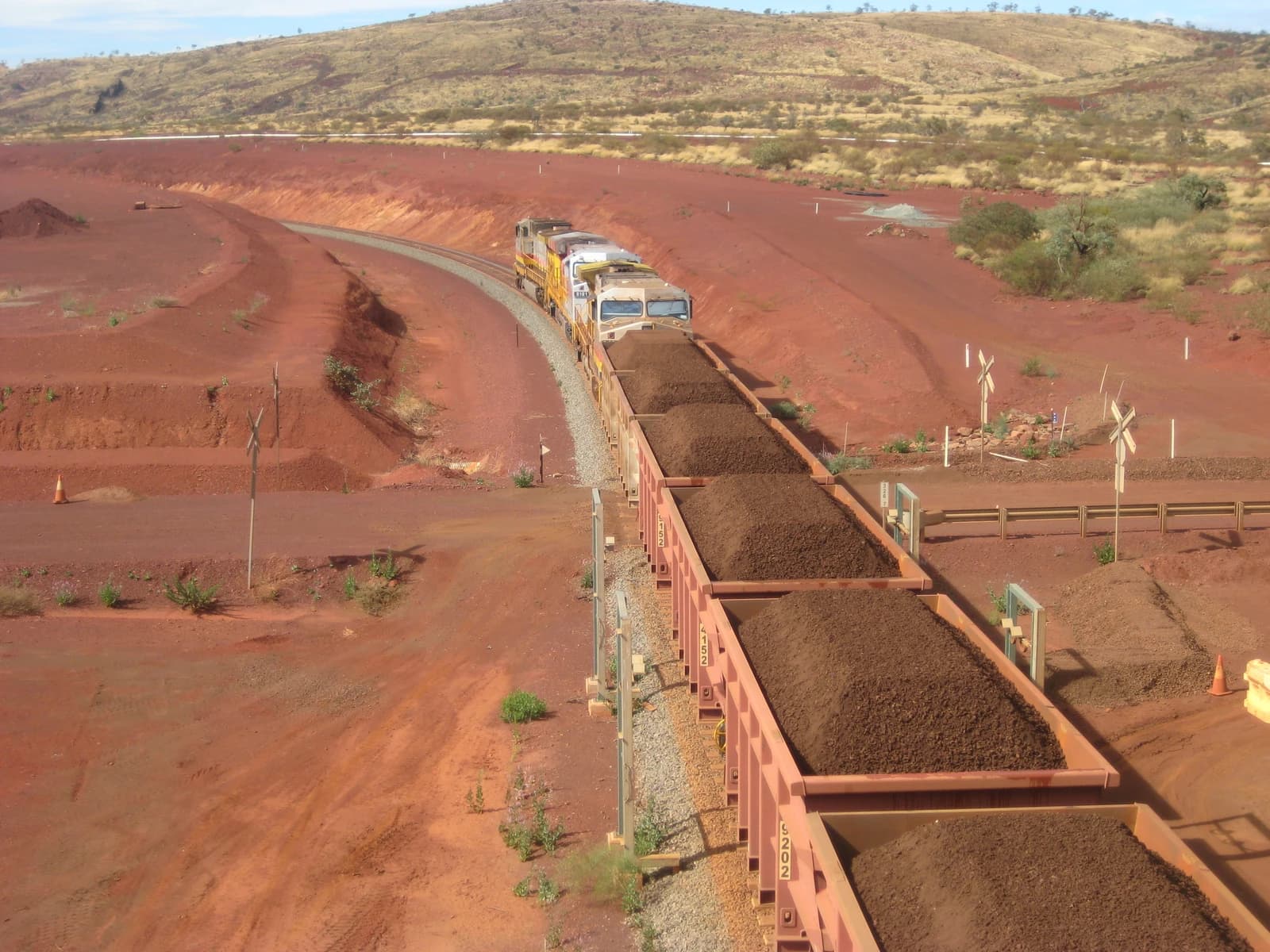
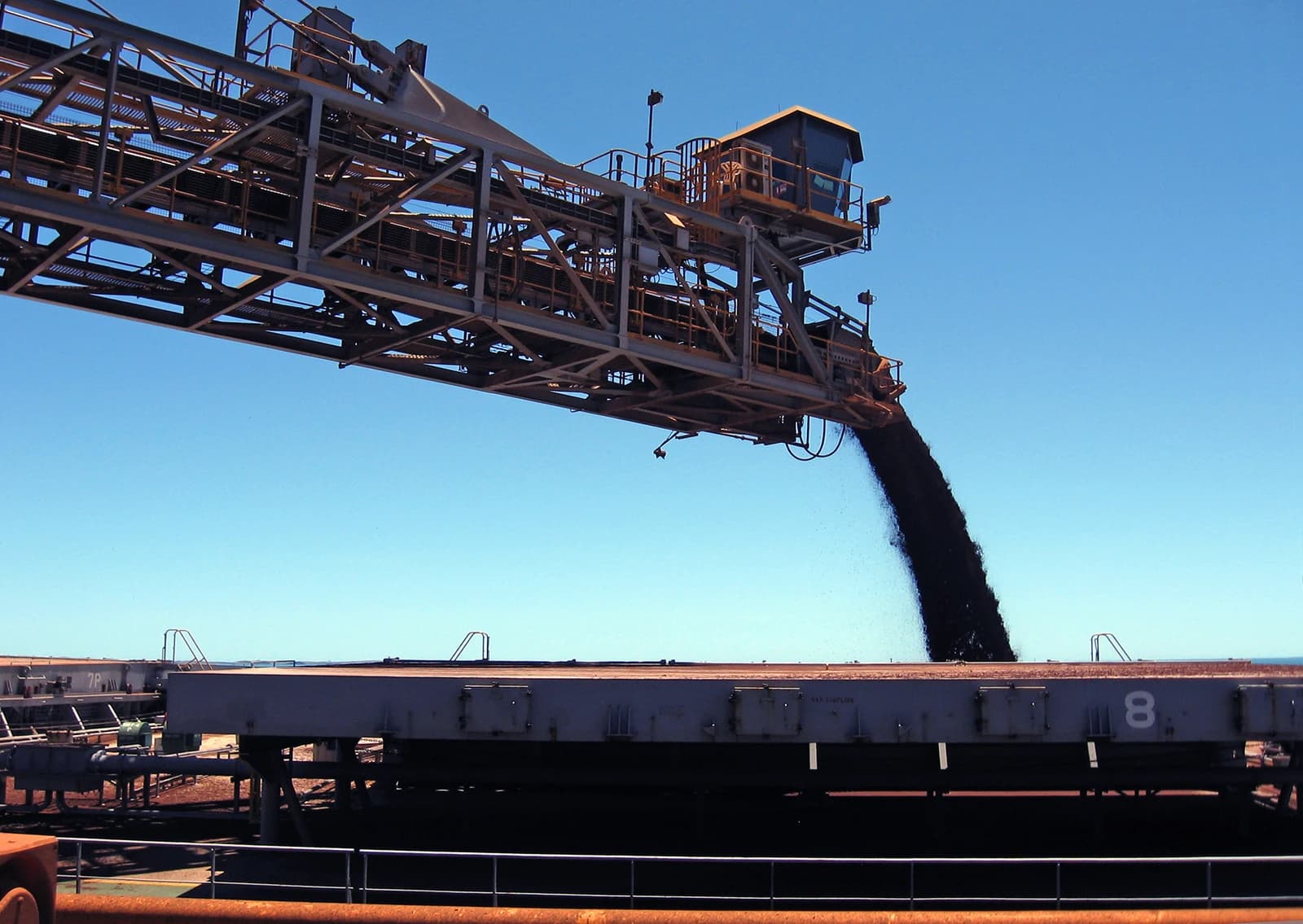
The oversupplied market is the other half of the story. Even if Chinese mills eventually step up buying, miners continue to ship large volumes, which keeps a lid on any rebound and makes the market vulnerable to another leg lower if demand disappoints. That is especially important for steelmakers and commodity-dependent economies across Australia and Brazil, where export earnings and mining investment still lean heavily on iron ore.
Long term, the key question for investors is not whether iron ore can bounce for a few sessions — it can — but whether China can engineer a durable lift in steel demand while supply discipline remains elusive. Until that happens, the commodity looks more like a trading market than a growth engine, and that argues for patience, selectivity and a focus on the miners best able to generate free cash flow through the cycle. For long-term investors, the sector is worth watching, but not chasing.
| Entity | Gains | Losses |
|---|---|---|
| Steel producers | ▲Lower input costs | ▼Weaker demand signal |
| Rio Tinto, BHP, Vale | ▲Cost advantage helps margins | ▼Lower iron-ore prices |
| China steel mills | ▲Cheaper raw material | ▼Weak downstream demand |
| Australia and Brazil miners | ▲Cash flow from shipments | ▼Export earnings pressure |