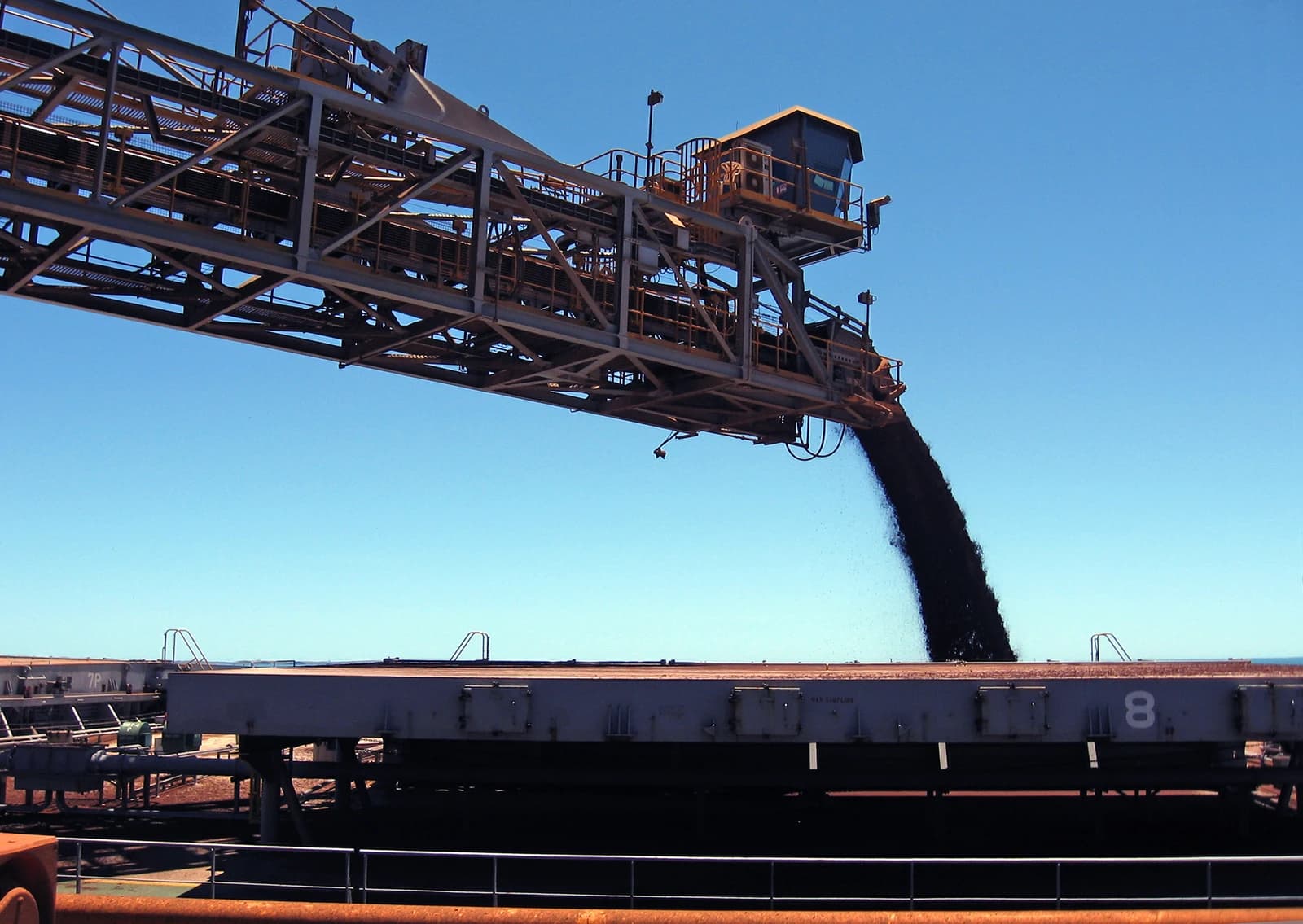
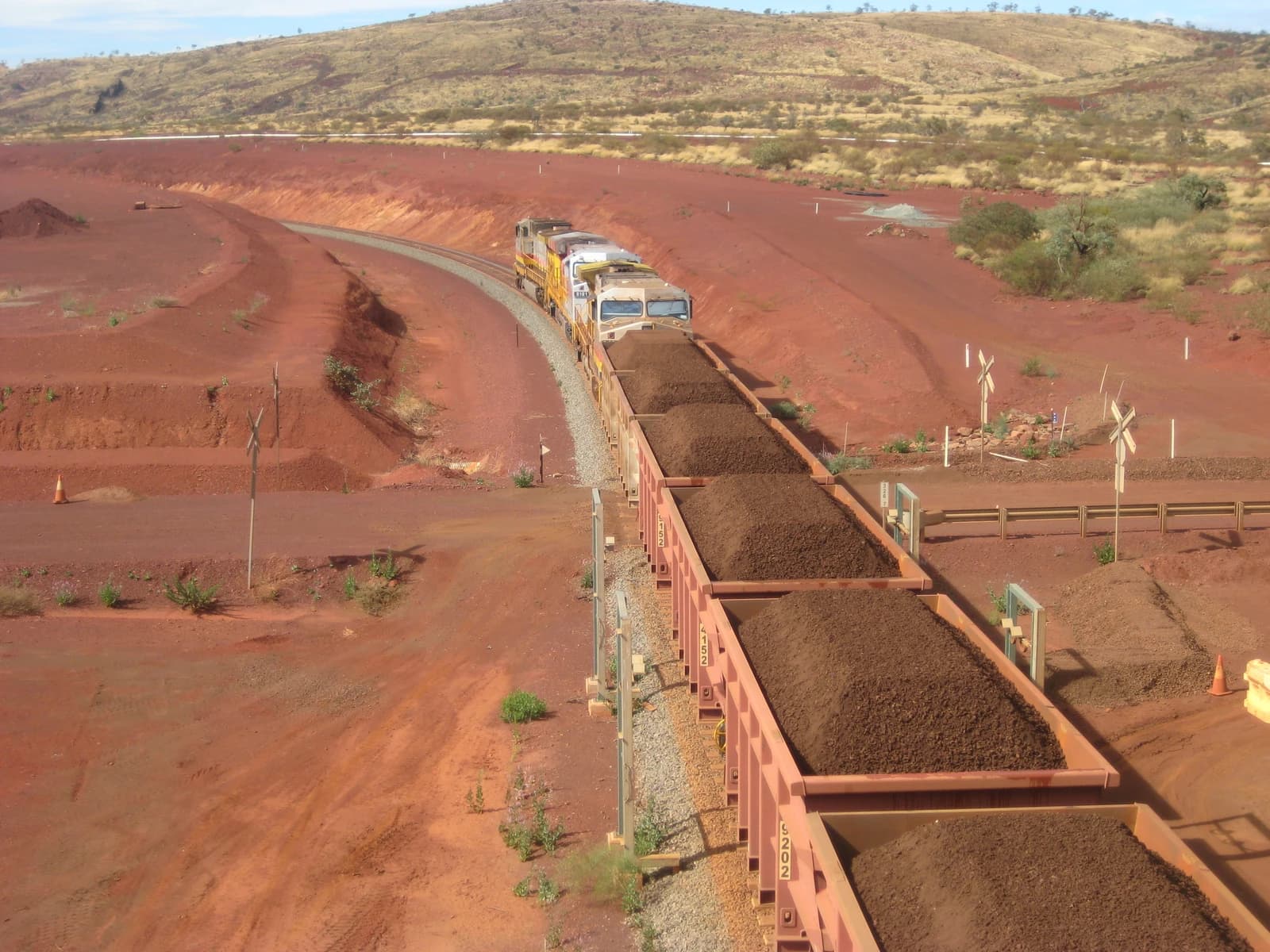
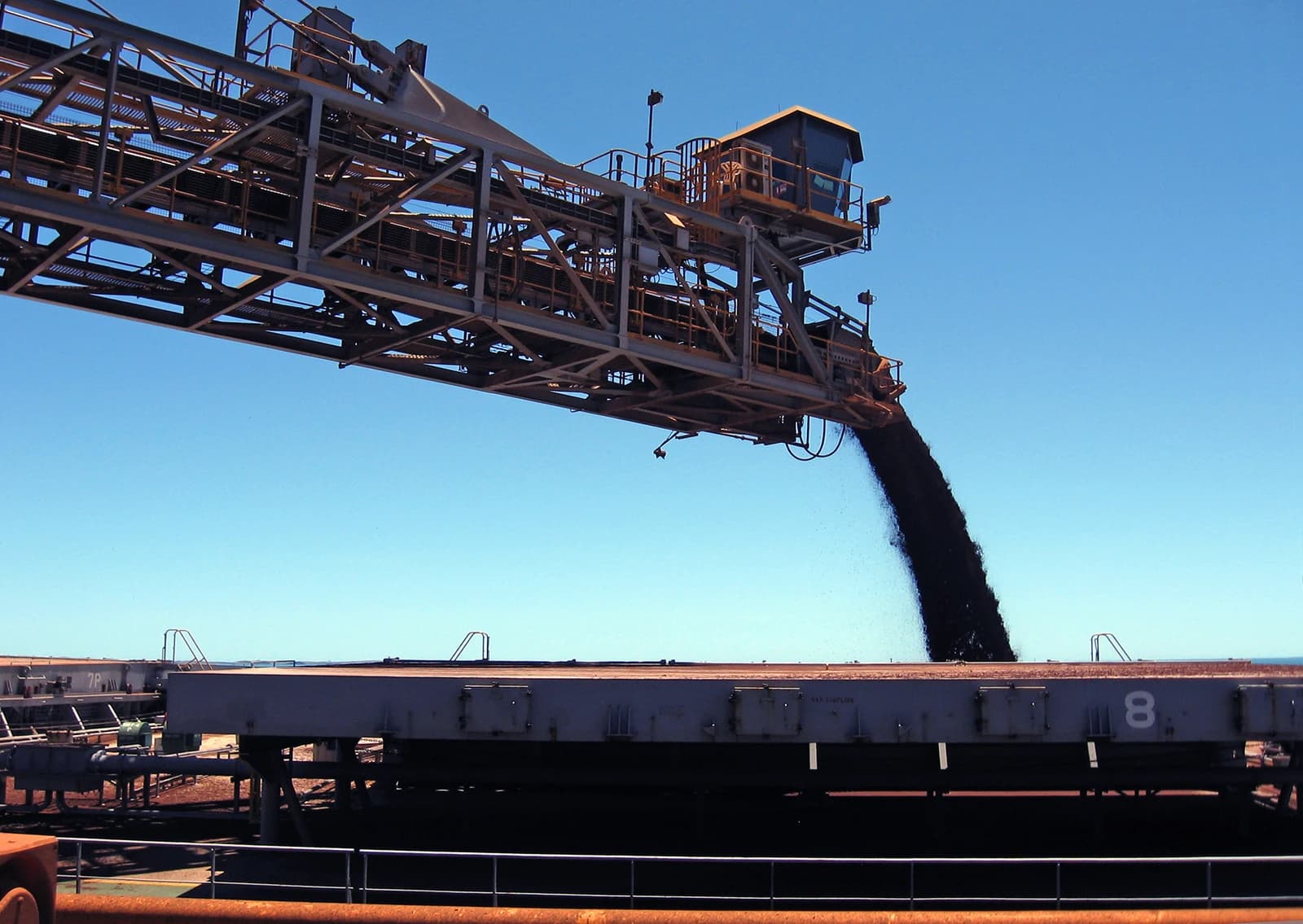
India and Southeast Asia are emerging as the most likely outlets for Australian green iron just as weakening Chinese steel demand pushes miners to rethink where they sell the bulk of their ore.
Australia green iron exports target India, Southeast Asia
A new report from the Institute for Energy Economics and Financial Analysis said Australia needs to diversify beyond China, which takes about 80% to 85% of its iron ore exports, and build higher-value supply chains around direct reduced iron and hot briquetted iron. The shift matters because it could help preserve margins for producers while giving steelmakers in faster-growing Asian economies lower-emissions feedstock as they face pressure to decarbonize.
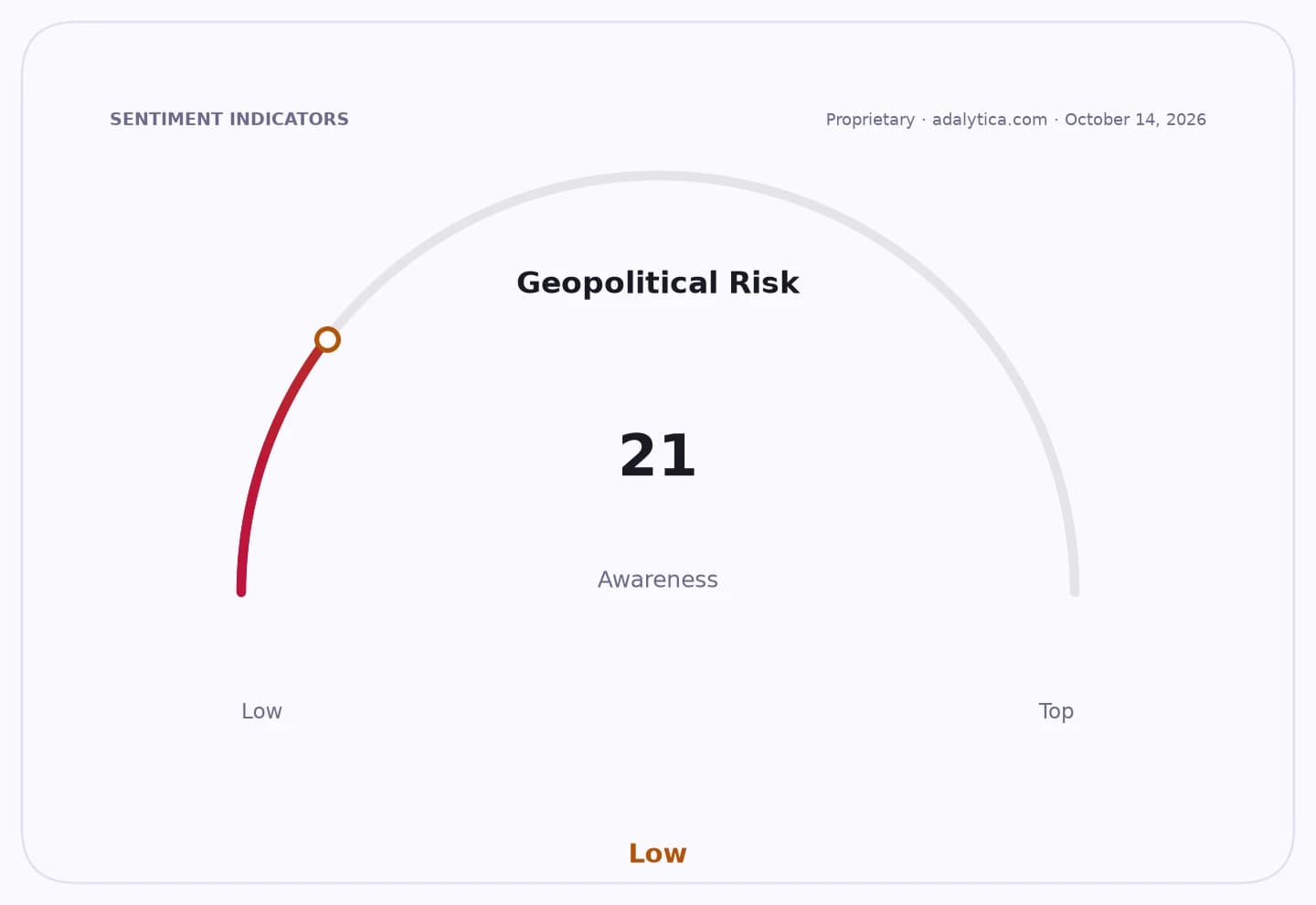
Sentiment IndicatorsⓘProprietary · adalytica.com · October 16, 2026
This is a snapshot — live sentiment, awareness and momentum for 130+ markets update continuously in the dashboard.Open AlphaPulse
The report pointed to Australian government projections that India’s iron ore imports could reach 50 million tonnes by 2031. It also said Jindal Steel has signaled interest in importing DRI and HBI as domestic scrap and other metallics remain scarce, suggesting a potential commercial lane for Australian green iron if pricing and logistics work.
For Australia’s big miners, the story is not just about finding a new customer. China’s slowing steel sector is threatening the long-standing export model that has underpinned earnings at BHP, Rio Tinto and Vale-linked iron ore markets, while the pivot toward processed iron products could support pricing power if demand from India and Southeast Asia materializes.
The market backdrop is already turning less favorable for raw ore. Iron ore prices have fallen to their lowest since September 2024 on weak China demand prospects and rising supply, while steel and iron ore futures have also come under pressure. That makes the case for value-added exports stronger, even if commercial shipments of green iron to India are still only a possibility rather than an established trade flow.
Investors will be watching whether Australia can translate policy interest and industrial decarbonization into long-term contracts, and whether Chinese weakness persists enough to accelerate the reorientation of trade. The next test is whether miners, steelmakers and governments can agree on commercial terms for low-emissions iron products before the current slump in iron ore demand deepens.
| Entity | Gains | Losses |
|---|---|---|
| Australian miners | ▲New higher-value markets | ▼Dependence on China |
| Indian steelmakers | ▲Lower-emissions iron supply | ▼Scarcity of metallics |
| China steel sector | ▲Lower import pressure | ▼Less leverage over Australian ore |
| Iron ore exporters | ▲Diversification upside | ▼Weak spot prices |