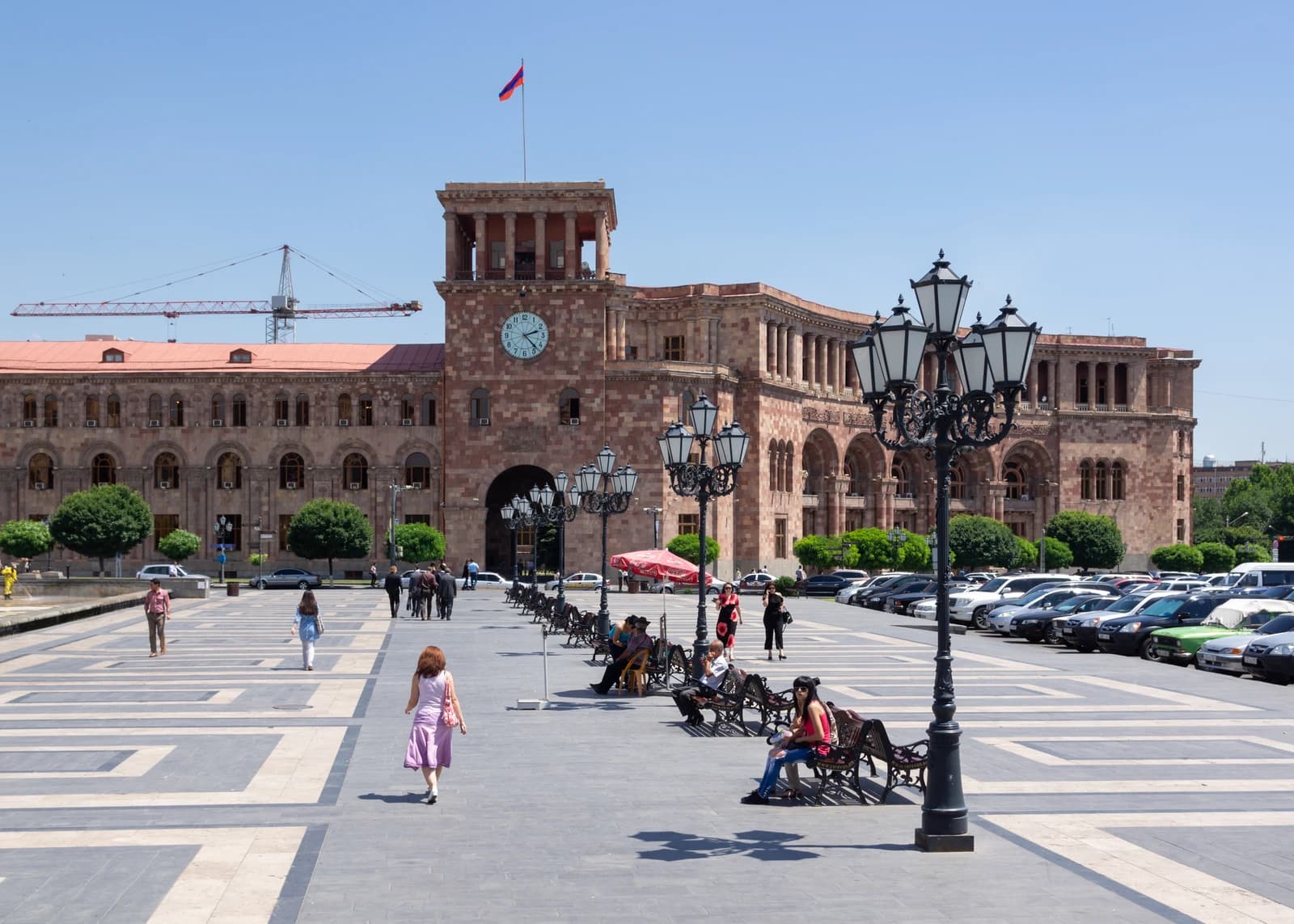
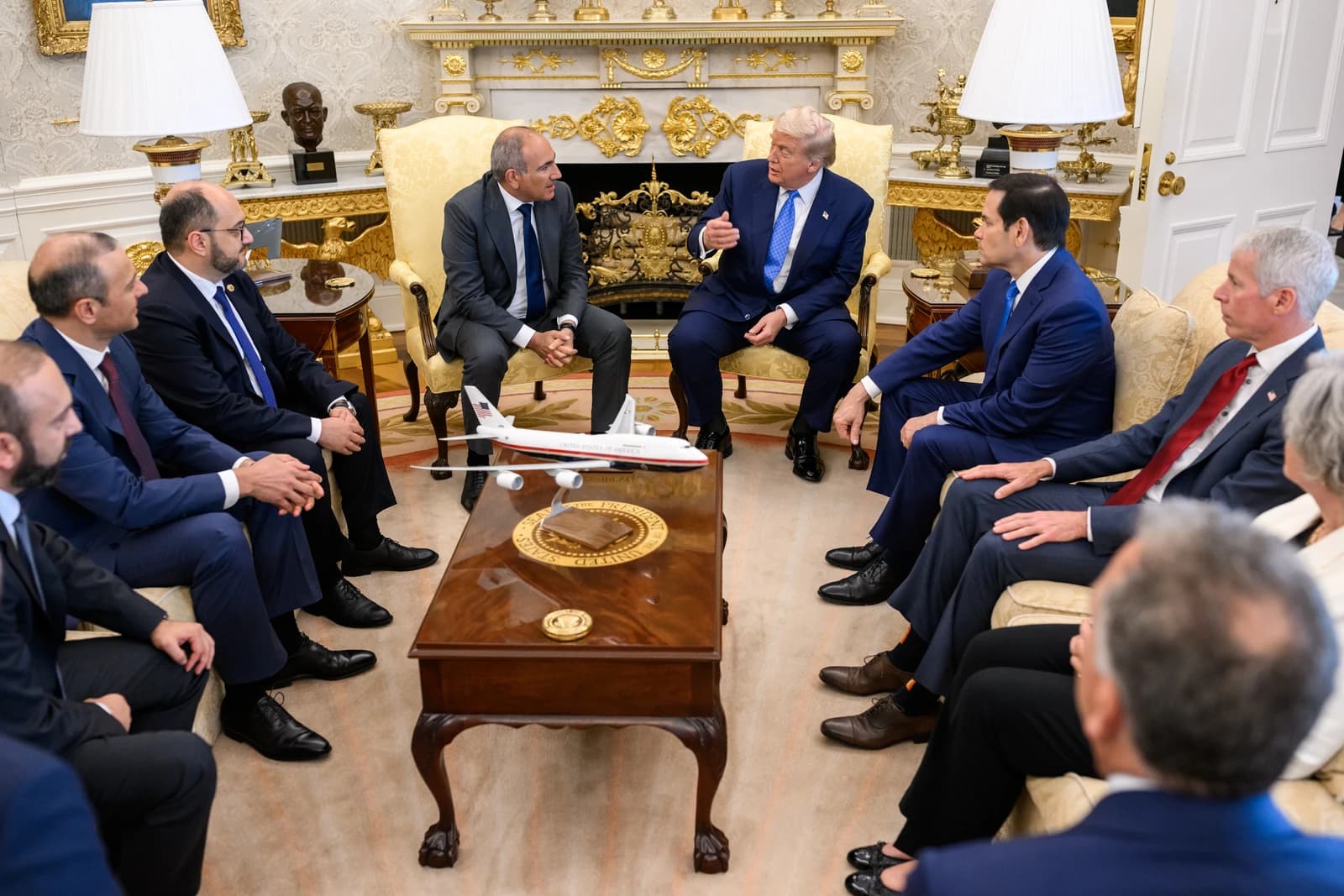
Armenia and Iran have moved to deepen a relationship that could become more economically important as regional transport routes reopen and energy cooperation expands.
Armenia and Iran deepen trade and energy ties
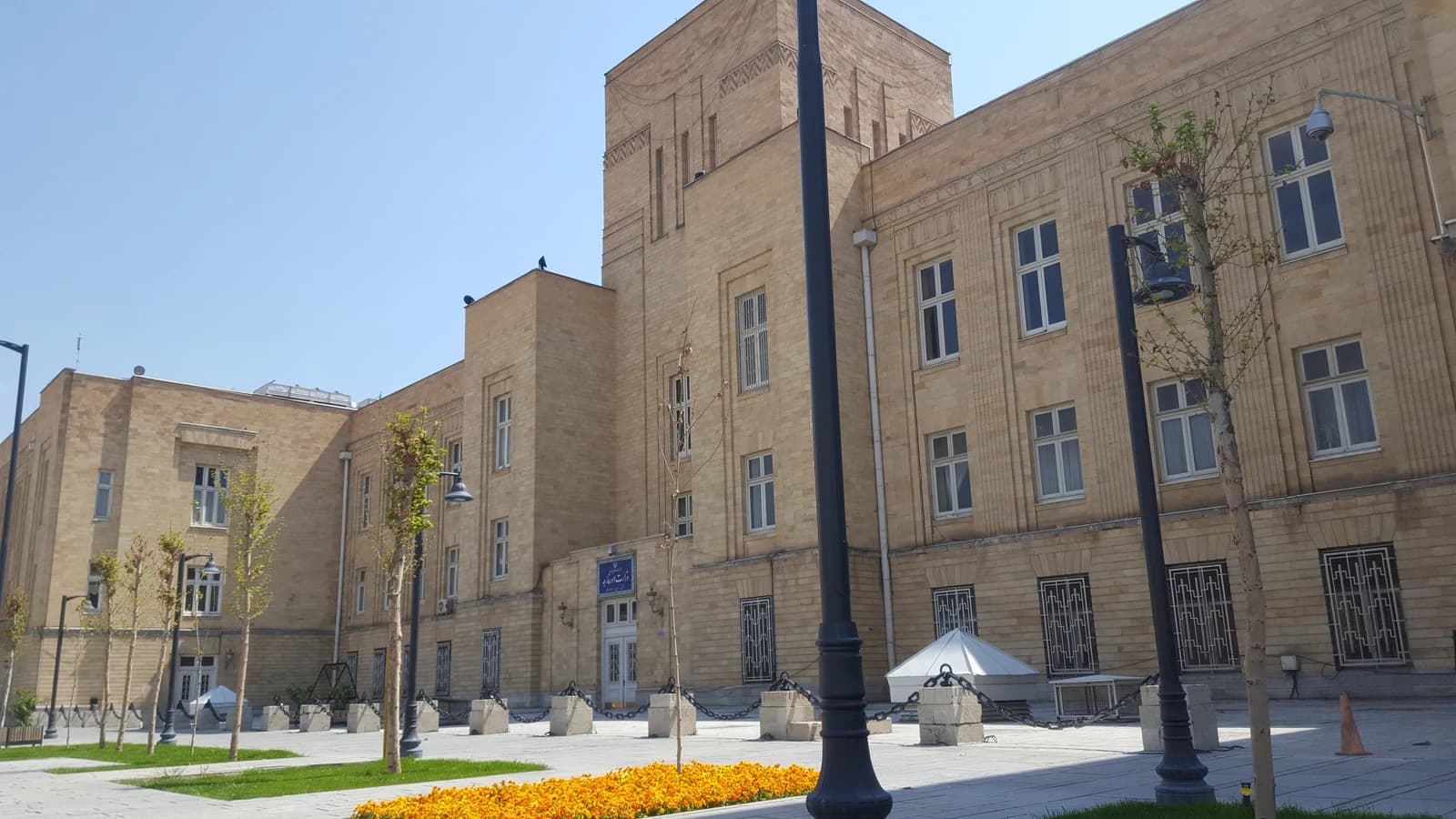
Yerevan said Deputy Prime Minister Mher Grigoryan met an Iranian delegation led by Vice President Seyed Hamid Pourmohammadi to discuss taking bilateral ties to a strategic level, with both sides stressing political trust, trade growth and the unblocking of regional communications. That matters because Armenia sits at the crossroads of a fragile South Caucasus corridor, and closer coordination with Tehran could help shape how goods, energy and investment flow through a region still defined by sanctions, border disputes and shifting alliances.
Sentiment Indicators
The two governments are looking beyond diplomacy. Armenia and Iran discussed expanding trade and economic cooperation, and both said recent growth in mutual turnover has been positive. They also underlined the importance of reopening regional communications, a theme that has direct economic implications for transit revenues, supply chains and access to markets for landlocked Armenia.
For investors, the story is less about headline politics than about infrastructure and energy optionality. Any step toward a more strategic Armenia-Iran relationship strengthens the case for cross-border projects, including transport links and energy exchanges, in a neighborhood where alternative routes can quickly become strategic assets. It also gives Armenia a second external economic anchor as it balances ties with Russia, Europe and its southern neighbor.
The timing matters. The talks came ahead of a joint Armenian-Iranian intergovernmental commission meeting in Yerevan on Nov. 10, which suggests both sides are trying to turn political goodwill into working-level commercial projects. If that happens, the beneficiaries are likely to be firms tied to logistics, power transmission, construction and border trade, while rivals for regional influence could find their leverage diluted.
The market is underestimating how much value can be created when geopolitics unlocks trade corridors. In a region where access is often more important than size, the Armenia-Iran track is an asymmetric watchlist item: modest in today’s headlines, but potentially meaningful for long-duration capital if it produces durable transit and energy cooperation.
| Entity | Gains | Losses |
|---|---|---|
| Armenia | ▲Trade access, transit leverage | ▼Dependence on constrained routes |
| Iran | ▲Regional influence, export outlets | ▼Relative isolation if ties stall |
| Logistics and energy firms | ▲New cross-border projects | ▼Legacy routes and incumbents |
| Regional rivals | ▲— | ▼Reduced leverage over corridor politics |