Iran’s vice president has arrived in Armenia, putting energy security and regional diplomacy back at the center of Yerevan’s foreign policy calculus as the country looks to deepen ties with Tehran while managing pressure from Azerbaijan and broader geopolitical rivals.
Iran vice president visits Armenia on energy ties
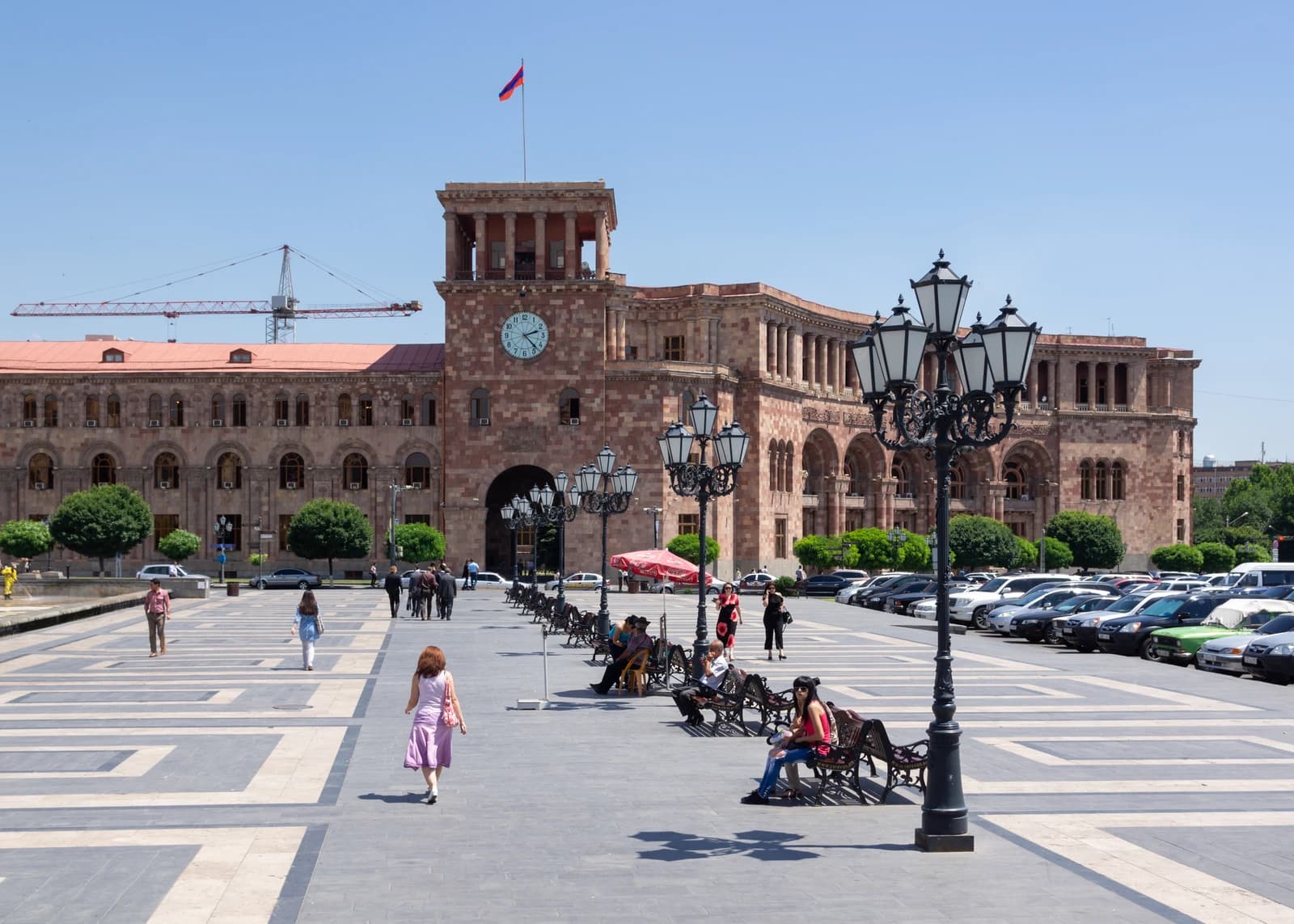
Seyed Hamid Pourmohammadi, Iran’s vice president and co-chair of the Armenia-Iran intergovernmental commission, was received at Zvartnots airport by Armenian Territorial Administration and Infrastructure Minister David Khudatyan, according to Armenian state media. The agenda was not disclosed, but the timing matters: Armenia remains heavily exposed to imported fuel and is seeking reliable suppliers as it tries to diversify away from dependence on any single power center.
Sentiment Indicators
For investors and policymakers, the visit underscores how energy flows are still being shaped by politics in the South Caucasus. Iran has signaled willingness to expand gas deliveries to Armenia, a relationship that could help Yerevan stabilize domestic supply and give Tehran another regional outlet at a time when sanctions limit its broader trade options. Any incremental gas cooperation would be economically relevant for Armenia’s power sector, industrial costs and the government’s balance of energy risk.
The trip also carries geopolitical weight. Armenia is trying to preserve room for maneuver after a series of delicate talks involving Azerbaijan, while Iran wants to ensure that new transport and infrastructure arrangements in the region do not erode its influence. Iranian officials have already argued that planned projects will not alter the regional balance, a message aimed at reassuring Yerevan while pushing back against concerns over shifting borders and corridors.
The main market implication is not an immediate price reaction, but the prospect of more durable Armenia-Iran economic coordination, especially in energy and transport. That could support Armenian infrastructure spending and reduce supply-chain uncertainty, while leaving regional risk premia sensitive to any setbacks in peace efforts or cross-border negotiations.
With no official details yet on the meetings in Yerevan, traders and diplomats will be watching for any announcement on gas volumes, transit terms or broader bilateral projects. Any concrete deal would add another layer to a fragile regional settlement that remains vulnerable to security shocks and competing outside interests.
| Entity | Gains | Losses |
|---|---|---|
| Armenia | ▲Energy diversification | ▼Supply dependence risk |
| Iran | ▲Regional influence | ▼Diplomatic isolation |
| Azerbaijan | ▲Peace process leverage | ▼Marginalized corridor concerns |
| Gas importers in Armenia | ▲Potentially steadier supply | ▼Higher geopolitical uncertainty |